Tractor-trailer collisions
Tractor-trailers can cause devastating harm in turns, lane changes, rollovers, jackknifes, and loss-of-control events. Save identifying details from both units.
Truck-crash help for Okmulgee
Addison helps people seriously hurt in collisions with tractor-trailers, delivery vehicles, work trucks, buses, and other commercial vehicles. The first priorities are medical care, family stability, and protecting the records that explain the crash before vehicles, data, and memories change.
Addison Law Firm's office is in Oklahoma City. The firm serves Okmulgee-area clients by phone, video, or arrangement.
For injured people and grieving families
Hospital care, transportation, missed work, insurance calls, and household needs often arrive at once. Addison organizes the legal investigation around the person's condition and the decisions the family actually faces, not around a carrier's preferred timetable.
Commercial crashes Addison reviews
The useful questions begin with the actual vehicle, driver, work, cargo, roadway, and harm—not the logo or vehicle type alone.
Tractor-trailers can cause devastating harm in turns, lane changes, rollovers, jackknifes, and loss-of-control events. Save identifying details from both units.
Delivery and service fleets may operate under route pressure or assigned work. Scheduling, supervision, phones, training, maintenance, and insurance may explain the trip.
Backing, wide turns, blocked views, shifting loads, construction traffic, and loading areas may involve proof beyond the roadway. Site photos and business names help.
Brain and spinal injuries, burns, amputations, crushing trauma, fractures, or death require proof of future care, earning ability, independence, caregiving, and household change.
How Addison develops a truck-crash case
Addison identifies the physical, electronic, medical, and business records that connect unsafe conduct to injury and loss.
A precise location, lane, traffic control, weather, lighting, debris, tire marks, positions, cameras, tow destination, and original photos can test later accounts.
Addison uses plates, unit numbers, logos, shipping material, contracts, registrations, and other records to identify each person, vehicle, business, and insurer.
Trip-specific logs, engine events, telematics, cameras, dispatch, inspections, repairs, driver records, cargo, phones, and site access may answer different questions.
Records, imaging, restrictions, rehabilitation, wage proof, receipts, household change, and candid day-to-day accounts show recovery without hiding prior health or later events.
The first days after a serious truck crash
You do not need to conduct a roadside investigation while injured. Obtain care, enlist practical help, and preserve what already exists before giving detailed accounts to the companies involved.
A heavy impact can produce problems that change over hours or days. Keep discharge papers, referrals, prescriptions, restrictions, appointment records, diagnostic results, and dated photographs of visible injuries.
Preserve the report number, witness contacts, vehicle and company details, tow location, dash-camera files, phone location history, photographs, video, and insurance papers. Keep original files with their date and location information intact.
Meet reasonable reporting duties, but do not estimate speed, distance, responsibility, diagnosis, or future recovery when you do not know. Keep copies of authorizations, recorded-statement requests, letters, emails, estimates, and payment explanations.
After an Okmulgee-area commercial crash
Traffic around Okmulgee moves through highways, city streets, county roads, rail crossings, work sites, school areas, and business entrances. Save a dropped map pin or coordinates, the direction and lane, the nearest marker, the report number, and where each vehicle was taken. Those details help locate cameras, witnesses, responders, and physical proof.
Location still does not decide who caused the crash. Addison compares the scene with vehicle damage, witness accounts, available recordings, trip records, company relationships, and medical evidence. The goal is to build the explanation from verifiable facts while the client concentrates on care and daily stability.
When it can be done safely, capture the tractor and trailer plates, United States Department of Transportation number, business names, unit markings, placards, cargo seals, tires, lights, damage, and insurance exchange. Wide views preserve context that close-ups miss.
Police, fire, ambulance, tow, repair, road, and insurance records may use different numbers. Save every card, receipt, report reference, claim number, vehicle location, and contact so the pieces can be matched later.
Describe symptoms and limits accurately, follow appropriate medical advice, and keep referrals, work restrictions, imaging, medications, therapy, and reasons for any treatment gap. Consistency matters more than dramatic language.
Why Addison
Addison treats the person's health and the evidence record as connected parts of the same case. Accepted matters receive a focused investigation of the trip, businesses, vehicles, electronic information, insurance, medical causation, and long-term loss.
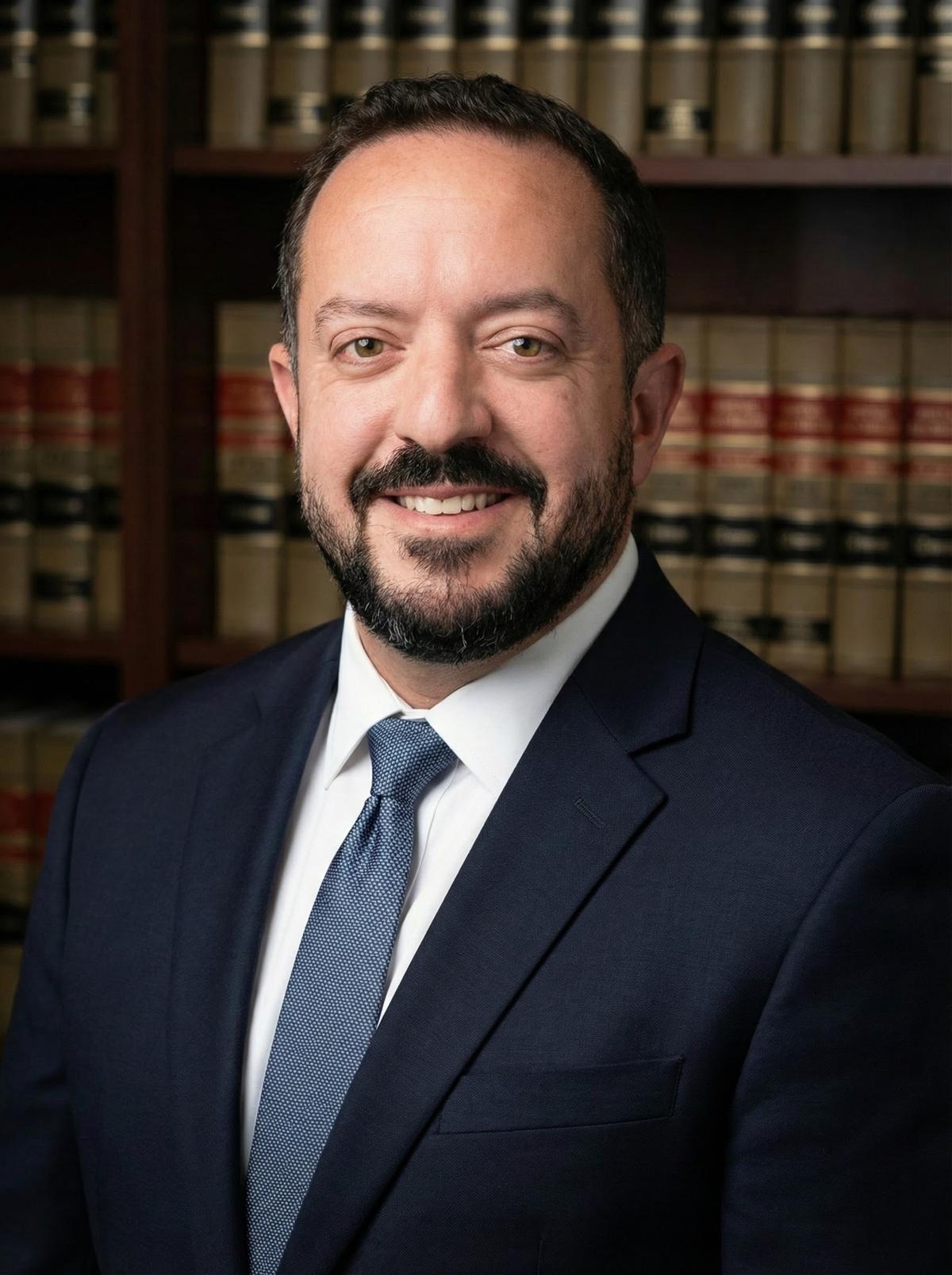
D. Colby Addison represents Oklahoma people and families in serious commercial-vehicle and catastrophic-injury disputes.
From crash day to an informed recovery plan
The location, vehicle identifiers, original media, present medical condition, and immediate dates provide a sound starting point. The investigation can then expand without asking an injured person to solve the case alone.
Share the date and place, report number, vehicle details, treatment status, work effect, insurance contacts, and the next pressing family decision. Say what is uncertain instead of filling gaps from memory.
Addison investigates the scene, driver, vehicles, involved businesses, insurance, available data, witnesses, and medical connection. Preservation requests are shaped around likely records rather than a generic list.
The firm explains evidence needs, insurer communication, treatment documentation, damages proof, likely disputes, and available paths. If representation is offered, the work, fees, and responsibilities are set out in writing.
Straight answers
These answers are a starting point. The right next step depends on what happened, who was involved, and when.
Commercial trips may involve several businesses and specialized records about the driver, vehicles, route, cargo, maintenance, dispatch, and insurance. That does not make every crash more valuable or prove fault, but it can make early identification and preservation important.
Keep the tractor and trailer plates, United States Department of Transportation number, company and unit names, placards, cargo or shipping details, driver exchange, insurance information, report number, tow location, witness contacts, and original photographs or video.
No. A carrier listing can help identify a business and provide background, but it is not a decision about civil responsibility. The listing must be matched to the correct vehicle, driver, trip, date, companies, physical evidence, and conduct.
Logs, engine data, telematics, dispatch, cameras, route information, inspection files, maintenance records, and private video may be kept in different systems for different periods. Prompt review helps identify the right systems and businesses before routine change or loss.
The proof may include medical records, imaging, restrictions, rehabilitation, expert opinions, wage and business information, household changes, receipts, and a factual recovery history. Prior conditions and later injuries should be disclosed so the evaluation is accurate.
Keep exploring
Okmulgee resources
These links provide background on the services and records discussed above. They do not decide a particular matter or replace advice based on the complete facts.
Start with the crash and today's needs
Share the location, vehicle details, original media, report number, treatment status, insurance contacts, and next important date. Addison can help decide which evidence and recovery questions need attention first.