Force or a dangerous restraint
Describe the commands, position, duration, tools used, visible injuries, breathing or mobility problems, medical response, witnesses, and what occurred immediately before and after the force.
Civil-rights help after a serious public encounter
When asserted government authority causes injury, detention, property loss, or lasting disruption, Addison starts with the sequence, the people involved, the authority claimed, and the records that may still exist.
Addison Law Firm's only office is in Oklahoma City. The firm serves Pauls Valley-area clients by phone, video, or arrangement.
For people seeking accountability
A uniform, vehicle, report heading, shared response, or detention location may not tell the whole story. Write down each participant's words and actions, then preserve the details that can establish employer, assignment, authority, and responsibility.
Events that deserve careful review
The legal analysis depends on the facts and participants. These examples are starting points for explaining what happened, not conclusions about a claim.
Describe the commands, position, duration, tools used, visible injuries, breathing or mobility problems, medical response, witnesses, and what occurred immediately before and after the force.
Record the stated reason, location, length of detention, questions, searches, property taken, handcuffing, transport, booking, release terms, citations, and papers provided to you.
Keep requests for care, medication information, housing details, incident reports, grievances, witness names, release papers, photographs, and a dated account of symptoms and responses.
Preserve the protected activity, complaint, recording, request, speech, or refusal that came first. Then document the later threat, restriction, citation, discipline, property action, or other consequence.
A fact-driven civil-rights review
Addison can organize a confusing encounter without assigning roles from appearances. The review follows the evidence from individual conduct to the entities, policies, injuries, and procedures that may matter.
Build a timeline from the earliest contact through release, treatment, complaints, court activity, and later effects. Compare memory with recordings, messages, reports, medical entries, and witness accounts.
Use names, badge numbers, ranks, uniforms, vehicles, assignments, contracts, facility roles, report signatures, and claimed authority. Keep personal conduct separate from employer and supervisory questions.
List body-worn video, dispatch, reports, booking material, facility cameras, private video, complaint files, medical charts, device records, and court papers with a likely holder for each.
Current legal review may address participation, policy, causation, notice, immunity, remedies, procedural steps, deadlines, jurisdiction, and forum. The complete facts determine which questions deserve priority.
What can be done now
Do not delay necessary care. Once safe, preserve original media, identify witnesses, gather complete papers, and write the sequence while the details remain fresh.
Explain the mechanism of injury and current symptoms to the provider. Follow discharge instructions, keep appointments, and retain complete records, imaging, prescriptions, restrictions, and bills.
Keep the first photo, video, audio, text thread, and download untouched. Preserve timestamps and metadata, then work from copies when sharing or adding notes.
For each person, list words, actions, visible identifiers, claimed authority, witnesses, and the records that may confirm the account. Mark anything you do not know.
Pauls Valley participant and record clues
Pauls Valley Police records are not the same as Municipal Court papers, City Clerk files, Garvin County Sheriff's Office materials, or State District Court filings. Keep the full heading, number, signature, date, and issuing office from every item.
An encounter near Interstate 35, a City street, a County road, a courthouse, or another property does not identify every participant. Save coordinates, vehicle markings, facility signs, responder names, dispatch references, and any stated source of authority.
A Chickasaw service or office reference does not establish that a participant worked for Chickasaw Nation or that Nation law applies. Preserve exact names and original records before drawing any connection.
Record the employer named on the badge, report, vehicle, citation, email, or court paper. Do not rely on a Pauls Valley address or shared response.
A call number, incident number, citation, booking identifier, and court number can lead to separate files. Photograph each number exactly as shown.
Identify homes, businesses, intersections, facilities, vehicles, and devices that may have captured the event. Write the viewing direction and approximate time.
Keep discharge papers, photographs, medication lists, referrals, restrictions, bills, and provider names. Record symptoms and functional changes without exaggeration or guesswork.
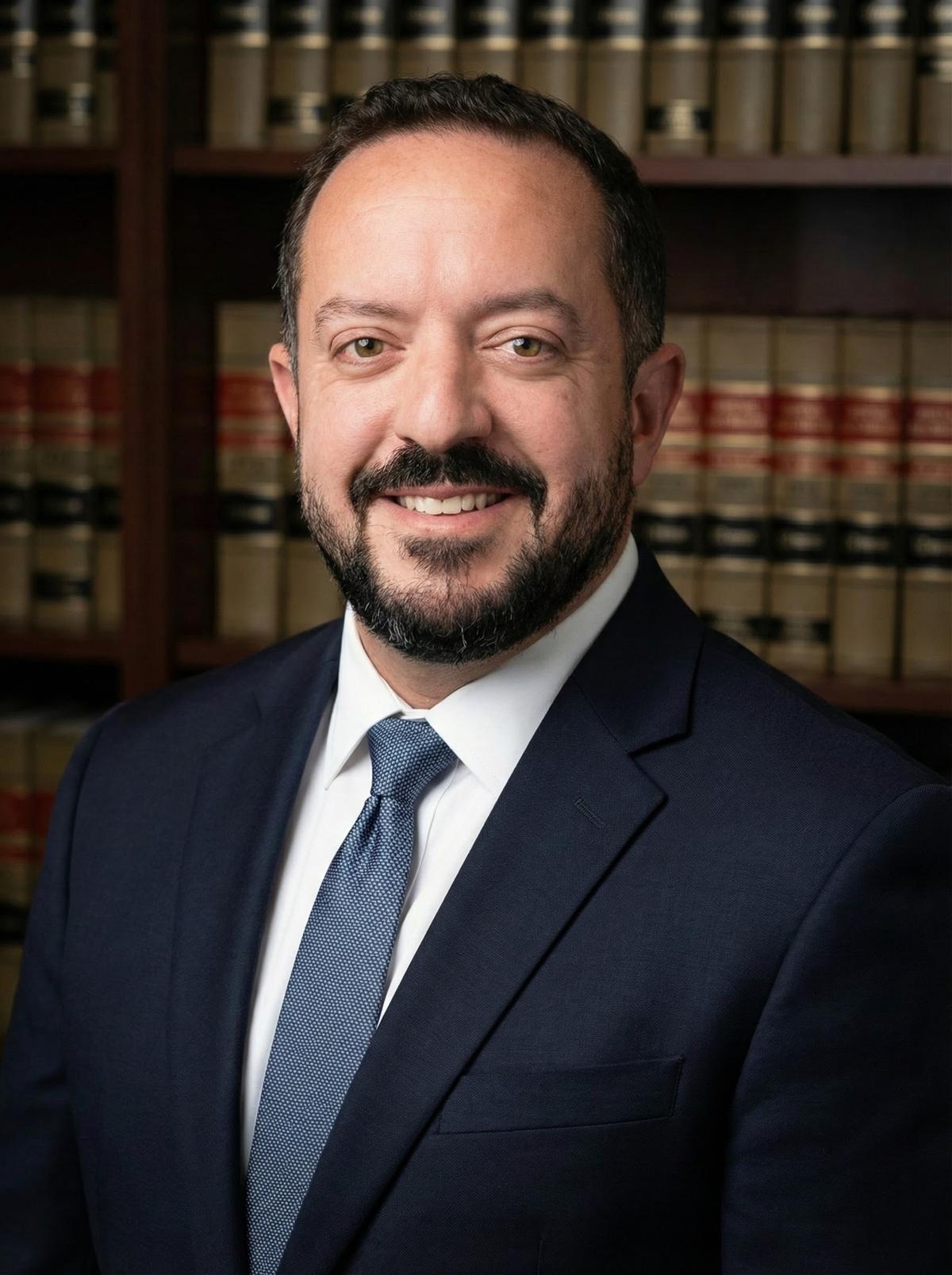
Civil litigation demands careful judgment
Addison handles consequential disputes by testing the client's account against original material and current law. The firm gives direct advice about proof, uncertainty, procedure, cost, and the practical consequences of each available course.
D. Colby Addison represents people in serious Oklahoma civil-rights and government-accountability matters when the facts and law support an accepted engagement.
A disciplined path through a difficult event
The review begins with the client's account and the most reliable records. It then identifies missing evidence, separates participants and entities, and places each legal question beside the facts needed to answer it.
Start before the contact and continue through release, treatment, complaints, court papers, work effects, expenses, and daily limitations. Include exact words when remembered and label estimates honestly.
Compare the account with badges, reports, dispatch details, employment records, assignments, contracts, property roles, policies, and court documents. A shared location does not establish a legal relationship.
Identify records at risk, lawful ways to preserve them, approaching proceedings, and questions requiring current legal research. If Addison accepts the matter, responsibilities are confirmed in writing.
Straight answers
These answers are a starting point. The right next step depends on what happened, who was involved, and when.
Names, badge numbers, ranks, uniforms, vehicles, report signatures, dispatch numbers, facility roles, employer references, and exact words can all help. Keep the original source for every detail.
Do not assume it does. A complaint, report request, grievance, evidence request, and preservation notice can reach different recipients. Identify each recording, its likely creator, and where it may be stored.
Keep the original file unchanged, with its full length and metadata. Make a duplicate for sharing or highlighting. Preserve the device, cloud location, download history, and messages that show where the file came from.
No. The actors, conduct, parties, procedural history, claimed authority, governing law, and requested relief may affect the available forum. Geography alone does not decide those questions.
Bring the chronology, original recordings, photographs, complete reports and court papers, participant details, witness contacts, medical records, expenses, lost-income proof, complaints, and every approaching date.
Keep exploring
Pauls Valley and official resources
These links identify offices, record systems, roads, and legal materials that may help with background. The right source still depends on the people, place, document, and date involved.
Start with the sequence and the original records
Share the chronology, participant details, recordings, reports, treatment, complaints, and the next court or response date. Addison can identify the first issues that need careful review.