Road and vehicle collisions
Save the exact route, direction, lane, intersection or exit, vehicle positions, damage, debris, traffic controls, witness contacts, report information, tow details, and nearby camera locations.
Personal-injury help after life has been interrupted
After a collision, dangerous property condition, worksite event, or other serious injury, Addison helps people preserve the important proof and make choices grounded in treatment, responsibility, insurance, and daily reality.
Addison Law Firm's only office is in Oklahoma City. The firm serves Pauls Valley-area clients by phone, video, or arrangement.
For injured people and their families
A strong account explains more than the moment of impact. It follows medical care, pain, restrictions, missed work, household changes, expenses, uncertainty, and the gradual effort to regain ordinary routines.
Injuries that may require legal review
The location and cause determine which photographs, records, witnesses, organizations, and insurance questions may matter. Preserve the scene before deciding who was responsible.
Save the exact route, direction, lane, intersection or exit, vehicle positions, damage, debris, traffic controls, witness contacts, report information, tow details, and nearby camera locations.
Photograph the condition in context and close detail. Record the address, precise spot, lighting, weather, warnings, measurements, ownership clues, employees present, prior complaints, and how long the condition appeared to exist.
Keep incident reports, equipment identifiers, photographs, training and task information, employer and contractor names, witness accounts, benefit papers, restrictions, and communications about returning to work.
Preserve the activity, product, service, facility, participant, warning, agreement, and record connected to the injury. Avoid assuming that the first responder or property address identifies responsibility.
An injury review built from real proof
Addison can organize the scene and medical record, identify missing evidence, address insurance questions, and explain how the facts may support or limit available options.
Compare original photographs, video, measurements, maps, weather, reports, witness accounts, damaged property, repair material, and maintenance clues. Fix the precise location and time before conditions change.
Collect complete charts, native diagnostic images, referrals, prescriptions, therapy, restrictions, prior relevant records, and provider names. Track symptoms and recovery without overstating either.
Preserve bills, insurance statements, wage or business-loss records, leave use, travel costs, household help, damaged property, and dated examples of activities affected by the injury.
Review ownership, control, conduct, notice, insurance, contracts, employment roles, public status, causation, liens, damages, procedural requirements, deadlines, and possible forums against current facts and law.
After a serious injury
Follow appropriate medical advice and protect safety. When able, save the earliest scene material, complete reports, witness contacts, insurance exchanges, and a plain account of how the injury occurred.
Attend appropriate appointments, describe symptoms accurately, follow restrictions, and ask questions when instructions are unclear. Keep every provider's name, visit date, referral, prescription, and bill.
Back up original photographs and video. Keep damaged items, clothing, vehicle information, repair estimates, tow records, receipts, reports, and any notice about inspection or disposal.
Note symptoms, sleep, mobility, work, household responsibilities, appointments, medication effects, and significant improvements or setbacks. Use dates and concrete examples instead of conclusions.
Pauls Valley scene and record details
The Garvin County highway map depicts Interstate 35, United States Highway 77, State Highway 19, Pauls Valley streets, and County roads. It does not assign maintenance. Record the exact pin, direction, lane, exit, intersection, property entrance, and visible signs.
City Street and Sanitation functions, Garvin County offices, State transportation records, property owners, employers, contractors, insurers, and private businesses may hold different evidence. Identify the creator of each report, photograph, repair entry, claim file, or camera recording.
A Chickasaw office or service nearby does not establish land status, property control, an employer, or a legal process. Those connections should come from deeds, contracts, entity records, incident papers, and other matter-specific proof.
For an Interstate 35 or local crash, note travel direction, mile or exit, lane, shoulder, ramp, intersection, traffic controls, work zone, and nearby landmarks.
Take wide views showing approach and surroundings, then closer images with scale. Preserve original files and note any change, cleanup, repair, weather, or lighting difference.
A visit summary is not the complete chart. Keep clinical notes, orders, imaging files and reports, bills, medication history, referrals, therapy records, restrictions, and provider identities.
Record missed work, reduced hours, household assistance, travel, prescriptions, equipment, property loss, and activities you could not perform. Keep receipts and supporting statements.
Serious injury work requires patience and candor
Addison evaluates responsibility and damages without losing sight of treatment, household strain, employment pressure, and the time litigation can demand. Clients receive direct advice about proof, disputed issues, insurance, cost, and realistic choices.
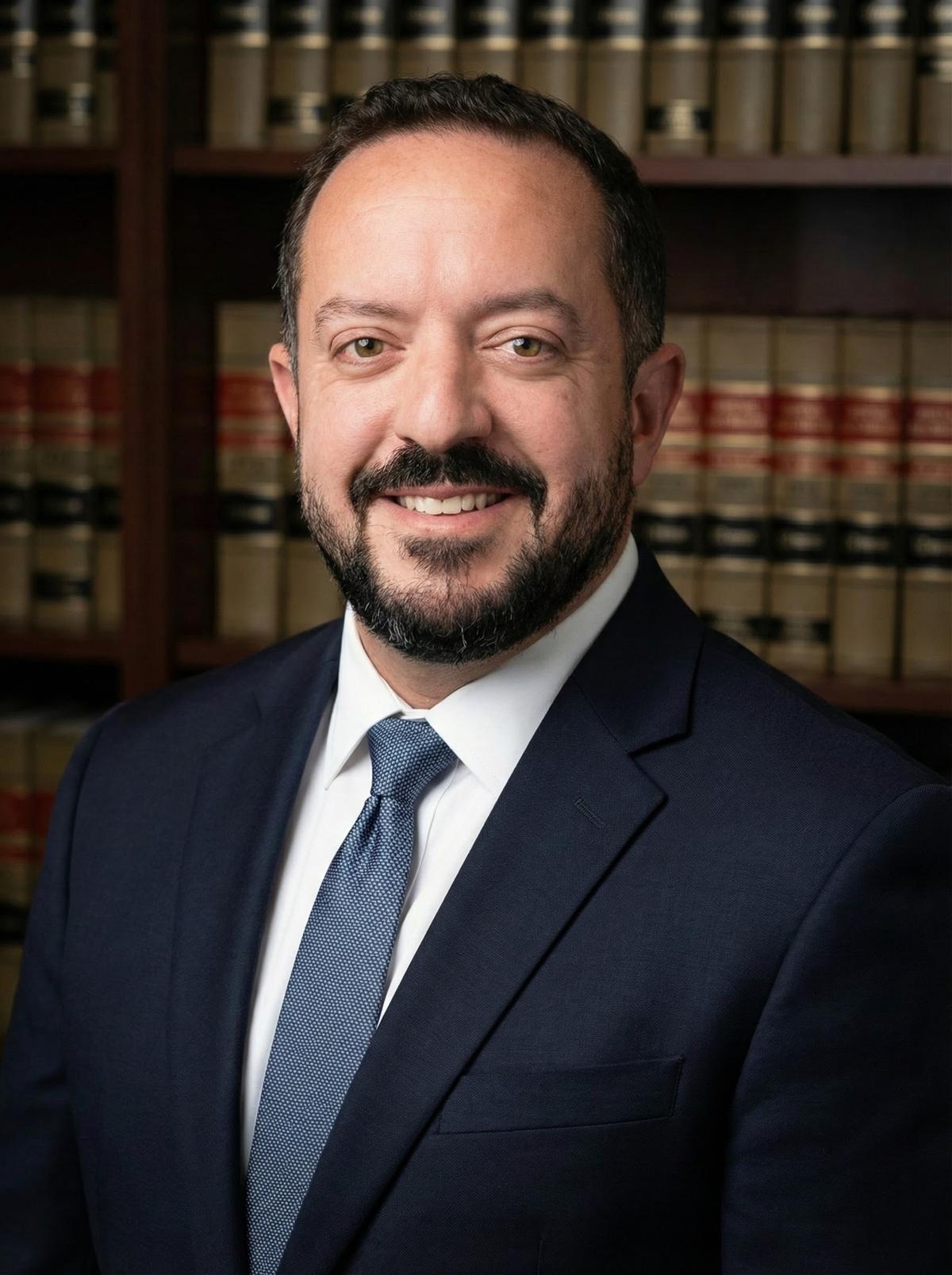
D. Colby Addison represents injured Oklahomans and families in consequential civil matters when an accepted engagement and the supporting facts warrant the work.
A careful injury case develops over time
The first review identifies immediate evidence and treatment needs. Later work tests responsibility, follows recovery, organizes insurance and losses, and updates strategy as reliable facts replace early uncertainty.
Gather original media, precise location details, witness contacts, reports, damaged property, inspection clues, and camera locations. Identify any evidence that may change or disappear.
Build a provider-by-provider chronology and retain bills, imaging, restrictions, wage records, expenses, and functional examples. Accuracy includes improvements as well as continuing problems.
Responsibility, causation, prognosis, insurance, liens, damages, and procedural choices may become clearer over time. If Addison accepts the matter, the engagement defines scope and communication.
Straight answers
These answers are a starting point. The right next step depends on what happened, who was involved, and when.
Keep the exact location, original photographs and video, conditions, warnings, damaged property, witness contacts, reports, responder names, insurance exchanges, tow details, and nearby camera information.
Preserve complete charts, original diagnostic images, bills, pharmacy records, referrals, therapy, restrictions, prior relevant material, provider names, and a dated recovery account.
Provide required and accurate information, but understand who the adjuster represents and what is being requested before giving a broad statement or authorization. Keep copies of every communication and document.
No. Route placement and the responding agency do not establish event-date ownership, maintenance, control, notice, causation, or fault. Preserve the precise segment and facts that may identify the responsible roles.
Bring bills, insurance statements, wage or business records, leave history, travel costs, household-assistance information, damaged-property proof, restrictions, and concrete examples of activities affected by the injury.
Keep exploring
Pauls Valley and official resources
These links identify offices, record systems, roads, and legal materials that may help with background. The right source still depends on the people, place, document, and date involved.
Begin with the scene and medical record
Share the precise place, original media, reports, treatment course, insurance papers, expenses, missed work, and the next important date. Addison can identify the first evidence and legal questions.