Tractor-trailer collisions
Photograph the tractor and trailer separately. Capture plates, unit numbers, company names, carrier numbers, damage, cargo markings, lights, tires, the coupling area, and cab equipment.
Truck-crash help along the I-35 corridor
A serious commercial-vehicle crash can involve several businesses, vehicles, insurance policies, and electronic records. Addison helps injured people preserve the proof, follow medical recovery, and understand the choices ahead.
Addison Law Firm's only office is in Oklahoma City. The firm serves Pauls Valley-area clients by phone, video, or arrangement.
For people harmed in commercial crashes
The driver, motor carrier, tractor owner, trailer owner, employer, broker, shipper, loader, maintenance company, insurer, and road or property participant may hold different facts. Preserve identifiers before assigning a role.
Commercial collisions that require layered investigation
Record the exact equipment, cargo, route, businesses, and response. Different commercial arrangements can place key documents and electronic data in different hands.
Photograph the tractor and trailer separately. Capture plates, unit numbers, company names, carrier numbers, damage, cargo markings, lights, tires, the coupling area, and cab equipment.
Preserve branding, driver information, route or stop details, dispatch messages, app records, ownership clues, employer names, equipment, and the business purpose of the trip.
Record the project, worksite or roadway context, employer and contractor names, vehicle configuration, load, permits, traffic control, spotters, inspections, maintenance, and property relationships.
Map each vehicle's direction, lane, sequence, contact points, damage, debris, braking evidence, witness vantage, report identifier, tow destination, and available camera or electronic records.
A truck case starts with fast, specific preservation
Addison can connect the scene, vehicles, trip, companies, electronic systems, insurance, medical course, and financial loss. The goal is to replace assumptions with records that show each participant's actual role.
Fix the coordinates, direction, lane, exit, interchange, work zone or entrance, traffic controls, weather, debris, skid evidence, cargo, placards, vehicle identifiers, responders, tow, and cameras.
Gather the report, registration, insurance, bill of lading, lease, dispatch, broker and shipper papers, loading records, maintenance material, and driver information tied to the trip.
List electronic logging, engine, telematics, camera, phone, dispatch, inspection, maintenance, qualification, cargo, scale, roadway, tow, and insurer systems with a likely holder for each.
Build the complete medical chronology and preserve bills, imaging, restrictions, wage or business loss, household help, travel expense, damaged property, insurance papers, and daily-life effects.
After a commercial-vehicle collision
Obtain appropriate care and follow restrictions. When safe, keep original scene media, vehicle and company identifiers, witness contacts, report information, tow locations, cargo papers, and insurance exchanges.
Explain the crash mechanism, immediate symptoms, and later changes. Follow referrals and restrictions, keep appointments, and preserve complete charts, imaging, prescriptions, bills, and provider names.
Keep original photographs and video with metadata. Include wide roadway views, all vehicles, damage, debris, traffic controls, weather, cargo, markings, witnesses, and the direction each camera faced.
Record vehicle movements, impact order, statements, responders, citations, tow, medical transport, insurance contact, and later company communications. Mark estimates and unknown details plainly.
Pauls Valley commercial-corridor details
The Garvin County map depicts Interstate 35, United States Highway 77, State Highway 19, local streets, and County roads. For an I-35 crash, preserve the travel direction, mile or exit, lane, shoulder or median, ramp, nearby sign, and exact location of rest and debris.
A responding officer, map, route number, tow company, or carrier logo does not establish every employer, owner, controller, insurer, or record keeper. Record each tractor, trailer, vehicle, company, driver, cargo, report, and tow destination separately.
Roadway records may sit with City, County, or State systems depending on the precise segment and issue. Vehicle and trip data may sit with several private businesses. Create a separate line for each record and likely keeper.
On Interstate 35, direction, mile or exit, lane, ramp, shoulder, median, and nearby signs can distinguish the exact segment. Save a pin before leaving when it is safe.
Capture plates, unit numbers, company names, carrier numbers, trailer markings, inspection stickers, cargo labels, placards, visible damage, tires, lights, and tow information.
Preserve the report, insurance exchange, bill of lading, load papers, lease, delivery record, receipt, citation, tow sheet, repair estimate, and lawful company communications.
Separate logging, engine, telematics, dash-camera, dispatch, phone, inspection, maintenance, cargo, scale, road-camera, tow, and insurer records. A general request may not reach each system.
Commercial crashes require detailed civil litigation
Addison approaches truck cases by tracing records and business relationships while keeping medical recovery and family disruption central. Clients receive direct advice about proof, disputed responsibility, insurance, cost, timing, and practical options.
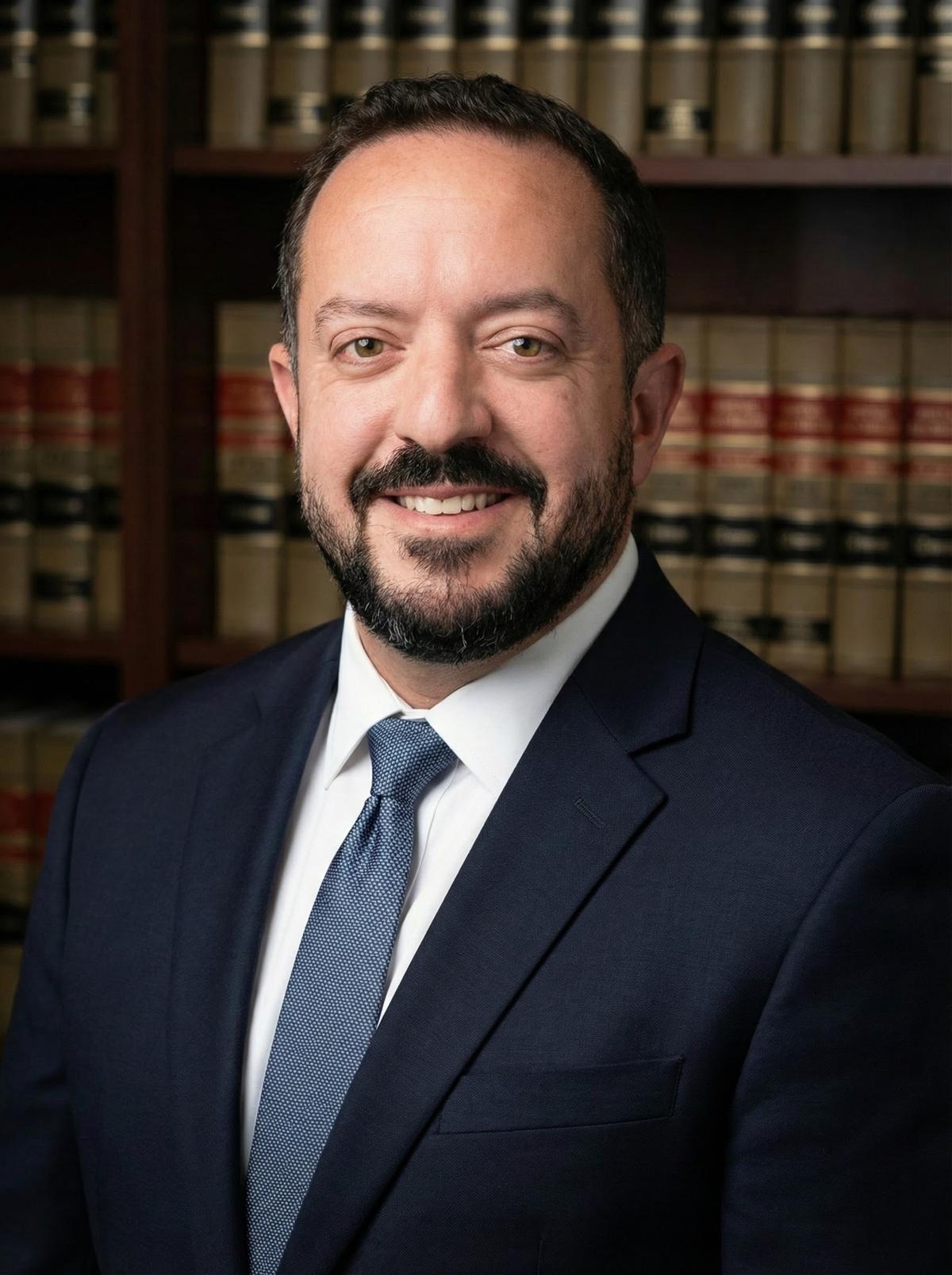
D. Colby Addison represents Oklahomans in serious truck and commercial-vehicle cases when an accepted engagement and the available facts support the work.
A commercial case develops across several records
The first review focuses on evidence that may change and the client's treatment needs. Later work connects trip records, company relationships, vehicle data, road evidence, insurance, medical proof, and financial loss.
Gather the precise location, original media, vehicle and carrier details, witnesses, reports, tow information, cargo clues, roadway conditions, and camera locations. Flag any evidence at risk.
Connect each driver, vehicle, owner, carrier, employer, broker, shipper, loader, maintenance provider, insurer, road participant, and device system to records showing the role actually performed.
Compare the developing treatment record and loss evidence with commercial documents, electronic data, inspections, maintenance, testimony, and current law. An accepted engagement defines scope and responsibilities.
Straight answers
These answers are a starting point. The right next step depends on what happened, who was involved, and when.
Capture each tractor, trailer, plate, unit number, company name, carrier number, insurance detail, cargo marking, placard, inspection sticker, damage area, tire, light, and tow destination.
Electronic logging, engine, telematics, camera, dispatch, phone, maintenance, cargo, scale, tow, and insurer systems may have different owners and retention practices. Identify each system and its likely holder promptly.
No. A registration or carrier database can provide leads, but it does not establish the driver, trip, employer, vehicle ownership, control, regulatory violation, causation, insurance, or liability.
Record travel direction, mile or exit, lane, ramp, shoulder, median, interchange, nearest signs, vehicle rest positions, debris, traffic controls, weather, responders, and camera locations.
Bring original scene media, precise coordinates, vehicle and company identifiers, reports, witnesses, tow information, trip papers, medical records, bills, insurance communications, lost-income proof, and approaching dates.
Keep exploring
Pauls Valley and official resources
These links identify offices, record systems, roads, and legal materials that may help with background. The right source still depends on the people, place, document, and date involved.
Begin with the corridor and commercial identifiers
Share the precise scene, original media, vehicle and carrier details, report, tow location, trip papers, treatment, insurance communications, lost income, and next date. Addison can organize the first preservation questions.