Force followed by injury or delayed care
Save photographs over time, discharge papers, referrals, restrictions, witness contacts, and original media showing force, restraint, vehicle contact, or delayed care and its aftermath.
Help after a damaging public encounter
Force, an invasive search, confinement, retaliation, or denied care can leave lasting physical and financial damage. Tell Addison what you experienced, who appeared to be involved, and what happened next. Records can help identify the participants and their authority without asking you to solve those questions alone.
Addison Law Firm's office is in Oklahoma City. The firm serves Ponca City-area clients by phone, video, or arrangement.
For a person living with the aftermath
Pain, fear, lost property, missed income, and an open case can make the aftermath confusing. Addison starts with your account and injury, then uses reports, recordings, medical proof, and witnesses to test other versions.
Events that may warrant a closer look
Ask what each person did, the reason given, your response, the injury, and which records confirm the sequence. Related cases or grievances also matter.
Save photographs over time, discharge papers, referrals, restrictions, witness contacts, and original media showing force, restraint, vehicle contact, or delayed care and its aftermath.
Keep any warrant, consent request, inventory, receipt, return paper, photograph, and message. Record what was present and where each item was last seen.
Booking, housing, transport, medication, isolation, requests for protection, examination, and release may involve many staff members. Note the facility areas, names or descriptions, symptoms, requests, responses, transfers, and the time care finally occurred.
Adverse treatment may follow criticism, a recording, a complaint, a request for assistance, or refusal of a demand. Preserve the exact words, recipient, method of communication, response, and timing of any later arrest, restriction, threat, or loss.
How Addison investigates conflicting accounts
No single report, video angle, or witness usually captures everything. Addison places your chronology beside dispatch material, recordings, court papers, medical records, property documentation, and witness accounts. Missing intervals and conflicts become focused investigation questions.
A detailed timeline records each command, response, search, restraint, use of force, transport, request for care, release, and later communication. It distinguishes what you remember directly from what appears only in a record or another person's account.
Body-worn cameras, vehicle systems, dispatch audio, booking or facility video, nearby businesses, phones, and online posts may have different owners. Precise time, location, event, person, and vehicle details make preservation work more useful.
Treatment, symptoms, counseling, work absence, expenses, property damage, family observations, and limits on ordinary activity help explain the aftermath. Give providers an accurate history, including relevant conditions that existed before the event.
A citation, criminal charge, bond condition, grievance, administrative complaint, or appeal may affect what can safely happen next. Bring complete filings, counsel information, current restrictions, and the next scheduled appearance before providing new statements or signing anything.
Early steps after a frightening encounter
Do not risk another confrontation. Obtain needed care, keep reliable material already in your possession, and write your account while sensory and timing details remain available.
Tell providers when symptoms began and how they have changed. Keep discharge instructions, referrals, medication information, work restrictions, injury photographs, and a truthful explanation for any interruption in treatment.
Preserve names, descriptions, badge or unit numbers, vehicle markings, report numbers, witness contacts, facility areas, property receipts, and the last known location of anything removed.
Write the stated reason, words used, commands, response, search, force, transport, requests for care, release, and later contact. Label approximate times and facts learned from someone else.
Ponca City records begin in different places
Ponca City provides a Police open-record form and lists Records, Communications, Detectives, Municipal Court, and other departments separately. Kay County publishes its own offices and state Court Clerk. Save badge and vehicle details, report headings, property receipts, booking information, and the full court caption.
A Ponca City Municipal Court paper and a Kay County state-court filing do not come from the same docket. Neither court clerk automatically holds Police recordings, medical charts, detention files, or private camera footage. The document itself should guide the first follow-up question.
Record the address, room or area, entrance, road direction, vehicle position, nearby landmark, and map pin. The setting can reveal likely witnesses, cameras, dispatch traffic, and medical response.
Keep the first phone video, audio, photographs, message export, and available cloud version. Work from a copy instead of cropping, compressing, or marking the only file.
Organize each report, citation, court filing, facility paper, and provider record under the name printed on it. Retain case numbers, dates, stamps, envelopes, and every attachment.
List hearings, reporting duties, release conditions, grievance steps, medical appointments, and requests for a statement. Advice about the civil issue must account for obligations that are already active.
Why Addison
Addison approaches civil-rights matters with respect for the person harmed and close attention to the proof needed to explain the encounter. Accepted clients receive direct preparation for the factual disputes likely to arise. The firm confronts difficult details honestly because credibility matters in a case built from conflicting accounts.
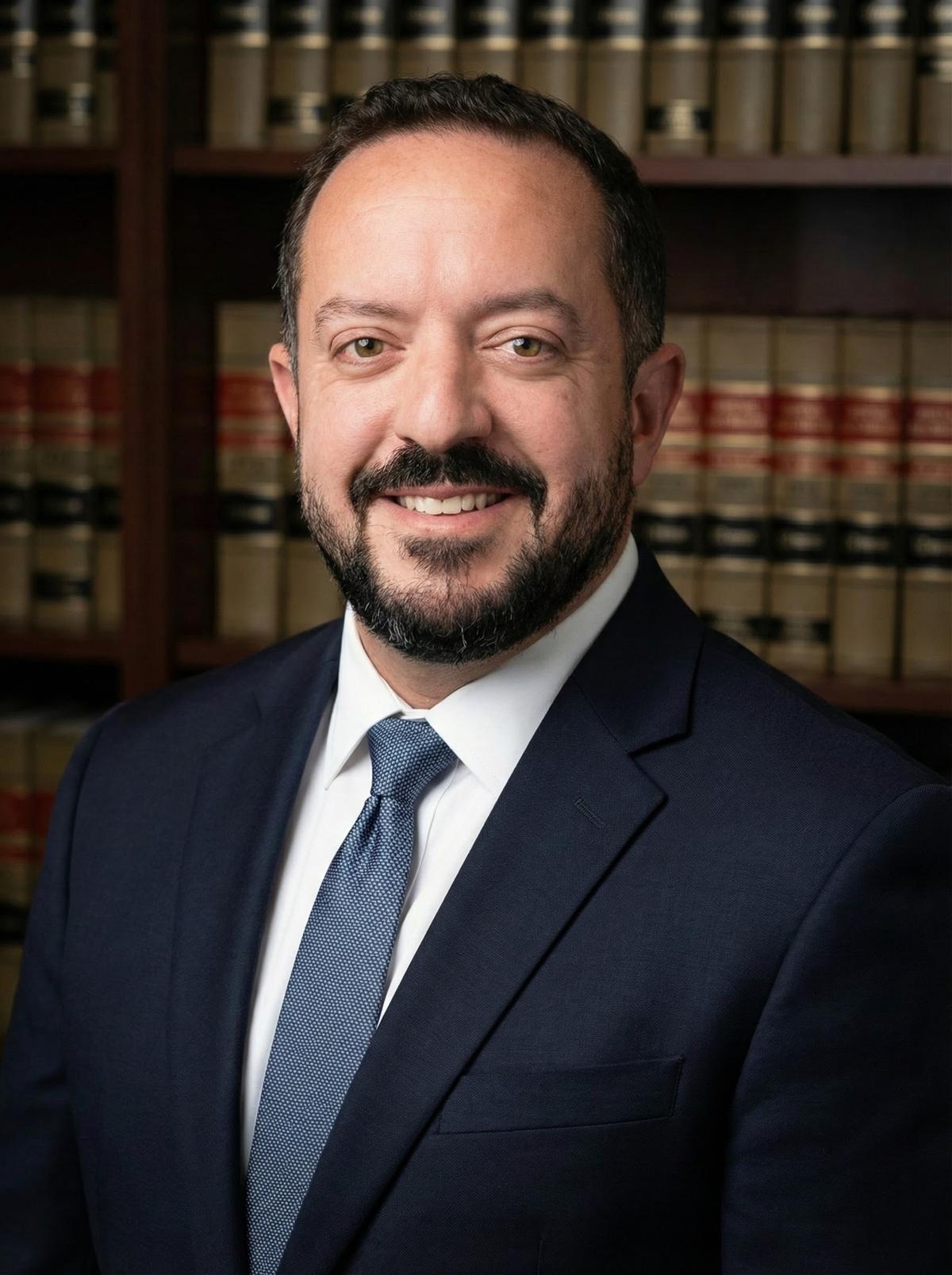
D. Colby Addison represents Oklahoma people in substantial civil-rights and constitutional disputes.
What Addison should learn first
An initial review connects the present harm to the encounter, locates dependable evidence, identifies missing material, and accounts for every open case, complaint, or medical issue.
Explain what led to the contact, then continue through words, search, restraint, force, confinement, treatment, release, and later communication. Say plainly when a name, time, or fact is unknown.
Addison compares media, documents, witness knowledge, treatment records, and related filings. Further investigation targets gaps or contradictions that could materially change the understanding of the event.
The firm explains what the current proof supports, which questions require more work, and which facts or proceedings may limit available choices. Scope, fees, and responsibilities for any engagement are documented.
Straight answers
These answers are a starting point. The right next step depends on what happened, who was involved, and when.
Keep original recordings and photographs, report or event numbers, court and confinement papers, treatment instructions, property receipts, witness contacts, messages, expenses, and a chronology in your own words.
No. A report may name participants and record one account. Video, dispatch, witnesses, medical evidence, court papers, property documentation, and your own memory may confirm details, expose gaps, or show genuine disagreements.
Ponca City, Kay County, state, federal, contractor, health-care, and private personnel may appear in the same sequence. Uniforms, vehicles, assignments, payroll identity, and document headings can point to different responsibilities.
Yes. Provide the complete caption, case number, citation or charges, current conditions, filings, scheduled appearance, and counsel information. Advice should account for that proceeding before new statements are made.
Do not assume so. Dispatch, body-worn camera, vehicle, detention, private business, phone, and court systems may be managed separately. Each desired item should be described with enough detail to identify it.
Keep exploring
Ponca City resources
These links give background on the offices, records, roads, and legal materials discussed above. They cannot answer a specific legal question without the complete facts.
Begin with your own account and the injury
Tell Addison the sequence, exact place, identifying details, injury, original media, report numbers, medical documentation, related court papers, and next scheduled event. The firm can evaluate what deserves investigation.