Crashes on a highway, street, or private approach
For a highway, street, or private-entrance crash, preserve the map pin, direction, vehicle positions, damage, report, camera locations, and insurance exchange.
Help after a serious Ponca City injury
A serious injury can bring pain, missed work, and insurer questions at once. Tell Addison how it happened and what daily life looks like now. The firm investigates responsibility while preserving the medical and financial record.
Addison Law Firm's office is in Oklahoma City. The firm serves Ponca City-area clients by phone, video, or arrangement.
For a household adjusting to injury
Pain and physical limits can alter work, driving, sleep, child care, and family plans. Addison builds from treatment and daily experience. Accurate records of progress, missed income, and added help give recovery a dependable shape.
Events that can cause life-changing harm
Each type of event leaves different records. Addison starts with the place and mechanism of injury, then investigates who owned, maintained, directed, or controlled what mattered while staying connected to treatment and present limits.
For a highway, street, or private-entrance crash, preserve the map pin, direction, vehicle positions, damage, report, camera locations, and insurance exchange.
Photograph the condition, surroundings, route taken, visible warnings, and facts showing how long a property hazard may have existed before it changes.
A worksite injury may involve a property operator, contractor, carrier, equipment provider, or outside crew. Keep assignments, safety papers, identifiers, witnesses, benefit communications, and report names.
For catastrophic injury or death, protect family access and urgent care while preserving scene proof, medical information, employment records, funeral documents, and expenses.
How Addison develops responsibility and damages
The strongest injury record shows why the event happened and what it caused. Addison investigates vehicles, property, work, equipment, and witnesses. The firm also organizes charts, imaging, restrictions, wages, expenses, and daily changes. Insurer requests are evaluated in the context of the whole recovery.
Coordinates, direction, lane or path, entrance, boundaries, light, weather, warnings, surface condition, equipment, debris, and nearby cameras help explain the event. Wide and close photographs can preserve details that later disappear.
Ownership material, leases, agreements, inspections, complaints, repairs, work orders, schedules, and maintenance histories may show responsibility. The relevant subject may be a vehicle, premises, equipment, or project.
Emergency care, imaging, specialists, therapy, prescriptions, referrals, restrictions, missed visits, and relevant prior history explain diagnosis and progress over time. Transportation, cost, or access problems that interrupt care should be recorded accurately.
Pay records, leave use, business documents, receipts, mileage, replacement services, calendars, photographs, and family observations can show how injury affects earnings, spending, mobility, chores, recreation, and independence.
Practical steps during early recovery
You are not expected to investigate every company while hurt. Attend to medical needs, preserve the scene and communication material already within reach, and begin a simple dated record of work loss and added expense.
Report symptoms accurately, attend appropriate visits, follow restrictions, and ask providers to explain unclear instructions. Preserve discharge papers, referrals, prescriptions, work notes, and appointment information.
Save original photographs and video, vehicle or equipment identifiers, witness contacts, report numbers, damaged items, tow information, and an exact location before conditions or access change.
Maintain a dated log of missed shifts, reduced pay, leave use, medical travel, receipts, replacement services, and assistance supplied by relatives or friends.
Ponca City locations need precise scene details
The Oklahoma Department of Transportation map shows the Ponca City urban area across Kay and Osage Counties. It identifies United States Highways 60, 77, and 177. An exact map pin, direction, entrance, and photographs are still needed to understand the scene.
A Ponca City Police request, a Kay County office, and a state transportation request lead to different records. Medical providers, property operators, employers, insurers, repair shops, tow companies, and nearby businesses may each hold another piece. Keep every item's complete heading and source.
Photograph the approach, travel direction or walking path, entrances, signs, lighting, surface, damage, and nearby landmarks. Keep the unedited files and the map pin where they were made.
Copy names from vehicles, uniforms, reports, property signs, tickets, agreements, work orders, insurance exchanges, and work papers. Those details help Addison investigate the relationships instead of relying on a logo or shared address.
List emergency care, follow-up visits, diagnostic imaging, specialists, therapy, medication, restrictions, missed appointments, travel needs, and the reason for any delay or gap.
Keep claim numbers, emails, letters, statement requests, authorizations, repair estimates, benefit explanations, offers, and response dates. Ask when a factual question is unclear rather than guessing.
Why Addison
Addison prepares injury matters with close attention to both responsibility and the client's lived recovery. Accepted clients receive direct communication about evidence, treatment documentation, insurance disputes, and decisions that may affect the household. The firm values accurate records over inflated promises about outcome or timing.
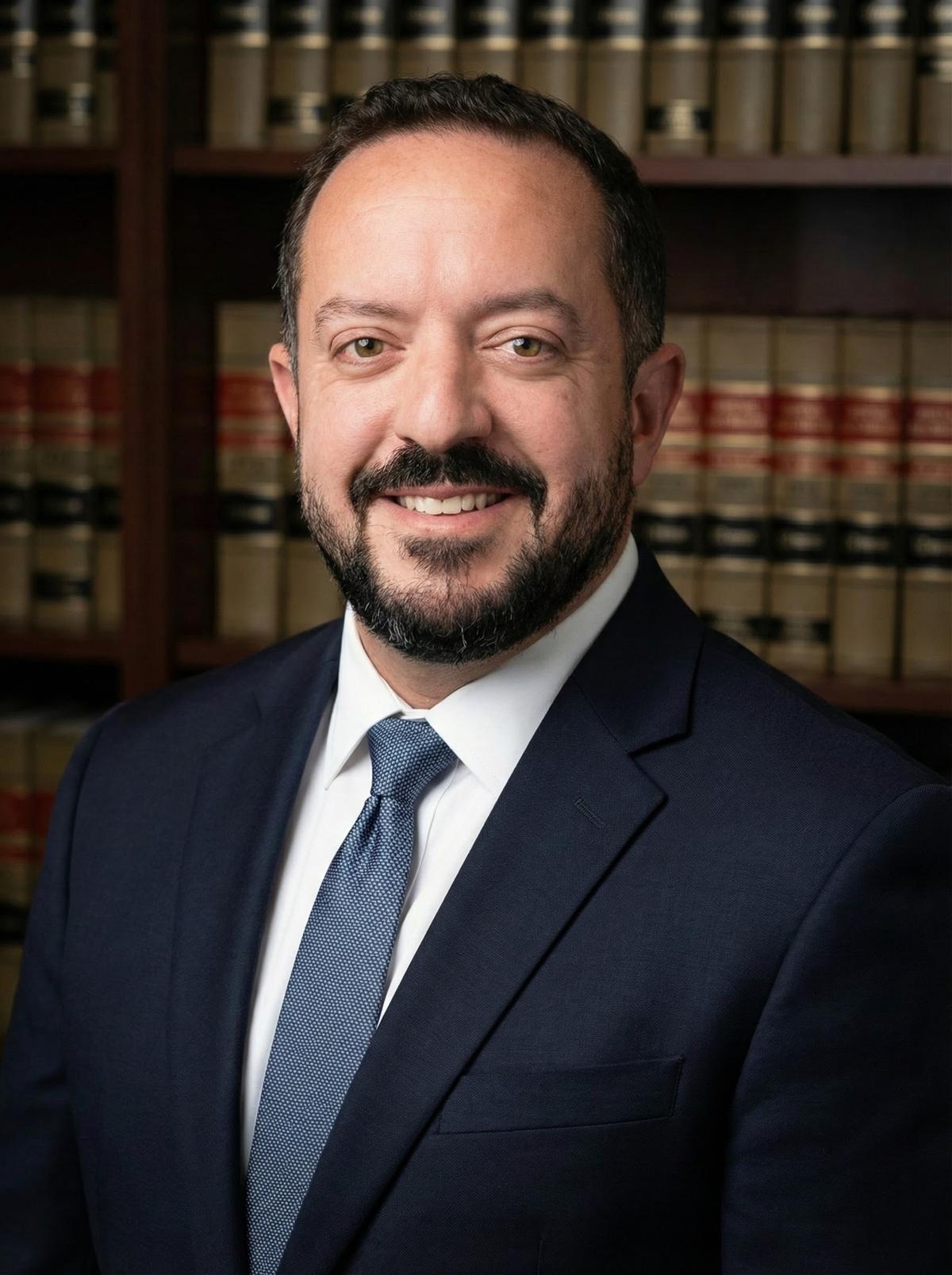
D. Colby Addison represents Oklahoma people and families after severe preventable injuries and losses.
How an injury matter moves forward
Early work focuses on care needs, scene proof, responsible relationships, and insurer contact. The medical and damages record then grows with treatment, restrictions, work effects, expenses, and the household's changing needs.
Share the precise place, sequence, report details, treatment, work impact, insurance communication, and the decision creating the most pressure for the household today.
Addison examines vehicles, premises, equipment, work relationships, witnesses, cameras, reports, inspection or maintenance material, insurance, and medical evidence connected to the injury.
Care, restrictions, income changes, expenses, assistance, and daily limits are updated as recovery develops. The client makes any settlement decision after receiving candid advice about the available evidence.
Straight answers
These answers are a starting point. The right next step depends on what happened, who was involved, and when.
Keep original scene media, the exact location, report numbers, witness contacts, damaged items, treatment instructions, insurance messages, compensation records, receipts, and a dated account of recovery.
No. It may identify people and observations, but photographs, video, witnesses, ownership and control records, maintenance material, company documents, and other evidence may change the analysis.
Find out who is requesting it, which policy or claim is involved, and why it is wanted. Provide required information accurately, and seek advice before answering questions you do not understand.
Keep schedules, compensation and leave records, restrictions, mileage, receipts, replacement-service costs, and a factual calendar describing tasks you could not do or had to perform differently.
Give providers and Addison an accurate history. Earlier records can help distinguish the prior condition from new trauma, aggravation, different symptoms, and additional treatment required after the event.
Keep exploring
Ponca City resources
These links give background on the offices, records, roads, and legal materials discussed above. They cannot answer a specific legal question without the complete facts.
Your recovery supplies the center of the case
Tell Addison where and how the injury happened, which original proof exists, what treatment has occurred, how work and daily life changed, and what the insurer is asking now.