Highway and urban-corridor collisions
Save the route, direction, marker, lane, traffic controls, weather, debris, final positions, and original views facing both directions.
Help after a serious commercial-vehicle crash
A commercial-vehicle collision can cause severe injury and a complex business record. Tell Addison where it happened, which identifiers you saw, and how daily life changed. Those facts frame the investigation of the companies and data.
Addison Law Firm's office is in Oklahoma City. The firm serves Ponca City-area clients by phone, video, or arrangement.
For an injured person and the family carrying the disruption
Hospital care, lost transportation, reduced income, and insurer calls can consume a household. Addison investigates records held by trucking businesses and connects them to treatment, work loss, and long-term needs.
Commercial collisions that require more than a report
A truck crash may involve a driver, equipment owners, carrier, cargo businesses, maintenance company, property operator, and several insurers. Addison starts with the scene and identifiers, then verifies each role from trip and operating records.
Save the route, direction, marker, lane, traffic controls, weather, debris, final positions, and original views facing both directions.
For a wide turn, lane crossing, or backing event, photograph the full entrance, signs, pavement markings, nearby businesses, cameras, and each vehicle's path.
Preserve photographs of tires, lights, connections, cargo, broken components, and damage, plus the tow destination and available repair or inspection information.
For catastrophic injury or death, investigation should protect medical decisions and family access while preserving wage, benefit, transportation, funeral, and household-loss evidence.
How Addison follows the commercial trail
Proof may be divided among the driver, equipment, carrier, cargo businesses, vendors, roadway systems, tow yard, and insurers. Addison identifies the records and holders, preserves what matters, and compares company data with the scene, witnesses, and medical record.
Coordinates, route, direction, lane, entrance, controls, light, weather, markings, debris, cargo, final positions, witnesses, and original media establish the starting point.
Tractor and trailer plates, unit numbers, names, carrier numbers, placards, seals, shipping papers, facility tickets, tow records, and insurance papers help verify relationships.
Electronic logs, engine events, telematics, cameras, dispatch, delivery, qualification, inspection, maintenance, cargo, broker, and access records may be held separately.
Treatment, imaging, specialists, therapy, restrictions, pay records, expenses, travel, replacement help, and daily-function changes show the crash's effect as recovery develops.
Early steps after a commercial crash
An injured person should not have to track down a carrier while managing treatment. Keep the scene, vehicle, report, tow, and communication material already available. Addison can identify wider preservation work without asking the family to investigate companies.
Report symptoms and onset accurately, follow restrictions, keep referrals, imaging and prescription information, and explain transportation, cost, or access problems that interrupt the care plan.
Retain photographs, video, witness contacts, report number, driver exchange, commercial markings, damaged property, tow location, and known camera information without editing the first files.
Keep call notes, voice mail, text, email, letters, claim numbers, statement requests, authorizations, offers, and response dates from insurers, carriers, investigators, tow operators, and service vendors.
Ponca City truck routes cross distinct local settings
The state map identifies United States Highways 60, 77, and 177 around Ponca City across Kay and Osage Counties. The precise setting may instead be a local road, street, private entrance, crossing, or other approach.
Ponca City Police records, Kay County offices, state transportation material, collision reports, carrier systems, tow records, property cameras, and insurer files are not one collection. The precise map pin, direction, commercial identifiers, report heading, and tow destination help connect requests to the right evidence.
Save the highway or street, direction, lane, intersection or marker, facility entrance, nearby business, work or warning signs, map pin, and original views facing each travel direction.
Photograph plates, unit numbers, names, United States Department of Transportation number, placards, seals, visible cargo, damage patterns, driver exchange, and insurance information when safely possible.
Record the destination of the tractor, trailer, passenger vehicle, load, damaged item, and personal property. Keep tow slips, inventories, photographs, repair estimates, inspection papers, and release communications.
Share every name on the cab, trailer, report, shipping paper, facility ticket, tow document, and insurance exchange. Those identifiers support investigation of which entities served as carrier, owner, shipper, broker, loader, vendor, or employer.
Why Addison
Addison develops truck-crash matters with attention to the companies and data without losing sight of the client's medical recovery and family obligations. Accepted clients receive direct explanations of evidence, insurance, treatment documentation, and major decisions. The firm makes no promise before the records support a conclusion.
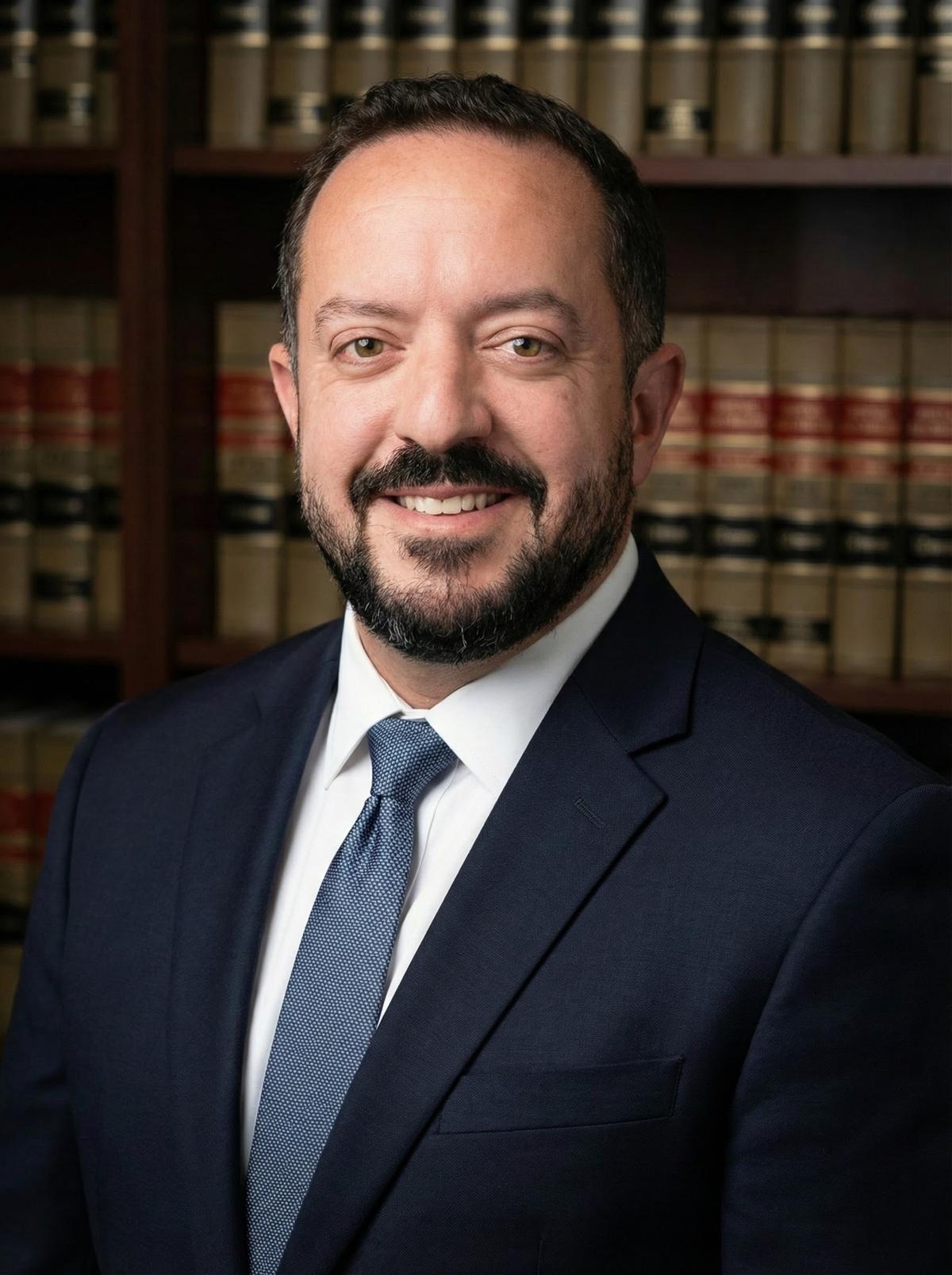
D. Colby Addison represents Oklahoma people and families in substantial commercial-vehicle injury matters.
How a commercial crash matter develops
The exact scene, visible vehicle and business information, original media, medical care, insurance contact, and next household decision provide a dependable start. Additional company and data questions are developed from those facts.
Share the date, precise location, report number, commercial identifiers, medical care, work impact, transportation problem, insurer contact, and the decision currently pressing the family.
Addison examines the driver, tractor, trailer, carrier, route, electronic data, witnesses, property access, maintenance, cargo relationships, tow activity, insurance, and connection to the injury.
The firm explains the evidence, likely disputes, insurance communication, treatment, income loss, expense, and household effects. Any offered engagement states scope, fees, and responsibilities in writing.
Straight answers
These answers are a starting point. The right next step depends on what happened, who was involved, and when.
The driver, tractor, trailer, carrier, cargo businesses, broker, service vendors, facility, and insurers may have different roles and different records. Addison verifies those relationships from the trip evidence.
Keep plates, unit numbers, names, United States Department of Transportation number, placards, seals, cargo details, driver exchange, insurance papers, report number, tow destination, and original media.
No. A listing may help identify a business, but it must be connected to the correct driver, tractor, trailer, trip, date, cargo, scene evidence, business relationships, and actual conduct.
Electronic logs, engine events, telematics, cameras, dispatch, route and delivery records, inspections, maintenance, cargo, broker, access, tow, and repair systems may follow different retention practices.
Complete charts, diagnostic imaging, restrictions, rehabilitation, provider opinions, compensation records, expenses, household changes, photographs, and a factual recovery history can show lasting consequences.
Keep exploring
Ponca City resources
These links give background on the offices, records, roads, and legal materials discussed above. They cannot answer a specific legal question without the complete facts.
Let the family focus on recovery while the trip is investigated
Tell Addison the precise scene, report number, commercial markings, cargo details, original media, treatment, insurance contact, tow location, and effect on work and home life.