Semi and tractor-trailer collisions
Rear impacts, unsafe lane changes, wide turns, intersection crashes, jackknifes, rollovers, and loss-of-control events involving a tractor, trailer, or both.
Help after a commercial-vehicle crash near Poteau
Addison Law Firm represents people seriously hurt in crashes involving 18-wheelers, logging trucks, work vehicles, and other commercial traffic. We investigate the companies and insurance involved, protect important information, document the full harm, and prepare the case for negotiation or trial.
Addison Law Firm is based in Oklahoma City and does not maintain a Poteau or Le Flore County office. Tell us where the crash happened, who was involved, and whether a date or decision is approaching.
For injured people and grieving families
A commercial collision can bring severe injuries, a long recovery, lost income, and several companies asking questions before your family understands what happened. Addison takes on the investigation and legal pressure. We keep the case centered on your health, your losses, and the choices that affect your future.
Commercial crashes we evaluate
The type of vehicle matters, but the serious questions are often broader: who controlled the trip, why the collision occurred, what information exists, and how the harm changed the person’s life.
Rear impacts, unsafe lane changes, wide turns, intersection crashes, jackknifes, rollovers, and loss-of-control events involving a tractor, trailer, or both.
Crashes involving long or heavy loads, shifting cargo, securement concerns, trailer equipment, braking, visibility, or several businesses connected to the shipment.
A delivery truck, utility vehicle, construction vehicle, service van, or other commercial vehicle was being used for work when it caused a serious collision.
A collision caused brain, spinal, burn, orthopedic, internal, or fatal injuries that changed a person’s ability to work, live independently, or care for family.
How Addison helps
The driver’s conduct is only one part of a commercial case. We examine the carrier, vehicle, trip, safety decisions, contracts, insurance, and available electronic information while building a complete account of the family’s loss.
The driver, operating carrier, tractor owner, trailer owner, employer, maintenance provider, broker, shipper, cargo company, or another business may have a role. We verify relationships instead of guessing from a logo.
Potentially useful material can include electronic logs, engine or event data, cameras, dispatch, route communications, inspections, repairs, driver records, shipping papers, and post-crash testing. We pursue what fits the facts.
We study the location, roadway, vehicles, damage, photographs, reports, witnesses, weather, traffic controls, sight distance, and other conditions that may explain the sequence and disputed responsibility.
The claim can include medical care, missed income, future limitations, household burdens, pain, emotional effects, changed relationships, and other consequences supported by the evidence and applicable law.
After a Poteau-area truck crash
Your medical needs come before an investigation. If you or a family member can do so safely, preserve a few basic details without returning to a dangerous roadway or confronting anyone.
Report symptoms accurately, follow reasonable instructions, attend referrals when possible, and keep ambulance papers, discharge instructions, prescriptions, work restrictions, bills, and later treatment information.
Keep the crash-report number, driver exchange, tow information, witness contacts, and photographs already taken. Useful truck details include company names, unit numbers, plates, and federal carrier numbers.
Back up photographs, video, messages, location history, and insurance communications without editing the only copy. Keep the original file and note who created it.
You can provide necessary basic information without guessing about speed, distance, fault, or medical outcome. Consider advice before a detailed recorded statement or final settlement when injuries are serious.
Truck-crash help serving Poteau
Poteau sits where U.S. 59, U.S. 271, U.S. 271 Business, and State Highway 112 serve local and regional travel. A reliable location matters more than simply saying the crash happened near town. Save a map pin, direction of travel, intersection or landmark, lane, and the agency shown on the report.
A collision may produce information held by law enforcement, a roadway agency, the carrier, vehicle owners, technology providers, medical facilities, insurers, and nearby businesses. Addison identifies the sources that fit the crash instead of making the injured family chase every possible record.
Oklahoma Department of Transportation maps the major routes separately. The route number, business loop, direction, and exact segment help identify the scene and the government agency with relevant roadway information.
Save the exact location and any report number you received. Addison can determine who maintains the road and what roadway information may matter to the crash.
Federal safety tools can be searched by company name and carrier identifiers. Photographs of the vehicle, door markings, and paperwork can help distinguish the operating carrier from other businesses involved.
Why Addison
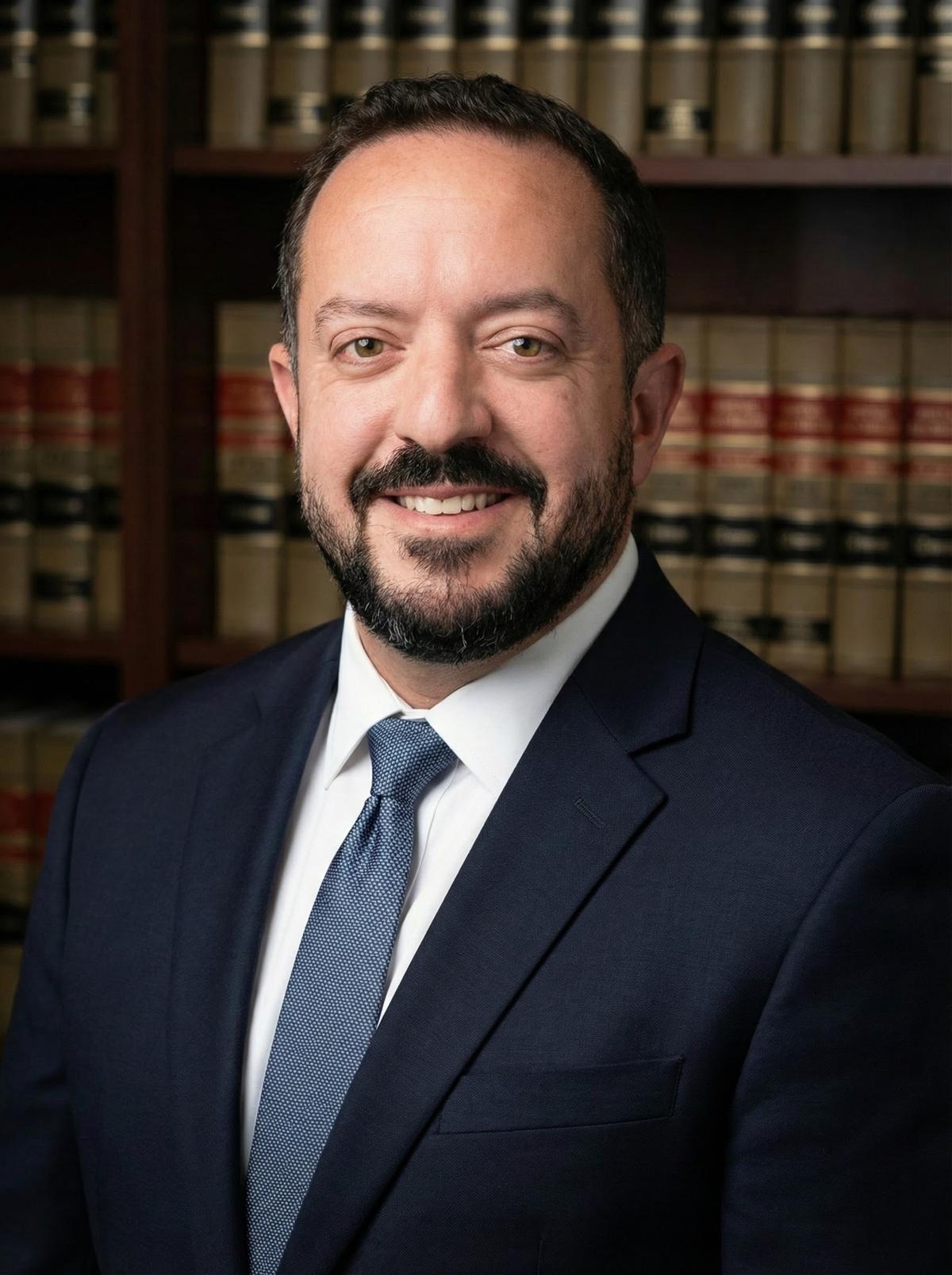
Motor carriers and insurers may investigate immediately and dispute responsibility, medical causation, or the extent of harm. D. Colby Addison builds serious truck cases with those defenses in mind. Clients receive direct communication, honest advice about settlement, and preparation for court when the claim requires it.
Oklahoma trial lawyer handling serious truck crashes and complex injury litigation.
If Addison represents you
The firm organizes the companies, information, insurance, and medical proof so your family does not have to manage a commercial case while recovering.
We confirm the location, vehicles, driver and carrier identifiers, reports, photographs, witnesses, treatment, and insurance communications. We then identify additional information worth pursuing.
The investigation develops alongside the medical and economic story. That approach connects what caused the crash with the full effect on work, home, health, and future plans.
We negotiate from a supported record and explain each meaningful offer. If the responsible parties will not address the harm fairly, we prepare the case for litigation.
Straight answers
These answers are a starting point. The right next step depends on what happened, who was involved, and when.
A commercial crash may involve a driver, carrier, vehicle owners, employer, maintenance company, broker, shipper, cargo business, and several insurers. It also may generate electronic and business information that does not exist in an ordinary two-car collision. The investigation must fit the actual relationships.
Contact Addison with what you have. A report, driver exchange, photograph, plate, unit number, company marking, or federal carrier number may help identify the businesses. Do not delay medical care or take a safety risk trying to gather information at the scene.
Possibly. Responsibility depends on the driver’s work, ownership and control of the vehicles, maintenance, cargo, contracts, dispatch, safety decisions, and the cause of the collision. Company relationships must be supported by crash-specific evidence rather than assumed from branding.
Prompt advice can help identify vehicles, companies, insurance, electronic information, and other material while it is still available. Your health comes first, but you do not need to wait until treatment ends. Different parties and claims can also raise different time limits.
Some accepted truck-crash cases use a contingency-fee agreement, which ties the attorney fee to a recovery. If Addison offers representation, the percentage, expenses, scope, client responsibilities, and other terms are provided in writing before legal work begins.
Keep exploring
Poteau trucking references
These links offer background on local routes, state maintenance, and motor-carrier information. They do not establish how a particular collision happened or which person or company is legally responsible.
Help after a serious truck crash
Tell us where the crash happened, what vehicle was involved, and how the injuries are affecting your family. We can give you a candid view of the next step.