Force that caused serious injury
A stop, arrest, restraint, transport, or detention may require review when the force used and the resulting harm do not appear to match the danger officials actually faced.
Civil-rights help for Pryor
Addison evaluates serious claims involving excessive force, unjustified detention, unlawful searches, retaliation, and dangerous treatment in custody. Early work centers on your experience, the injury, the officials involved, and evidence that may change or disappear.
Addison Law Firm's office is in Oklahoma City. The firm serves Pryor-area clients and can meet by phone, video, or arrangement.
Counsel for individuals and families
A civil-rights case begins with a real encounter and real consequences. You may be dealing with pain, fear, medical bills, a criminal case, lost work, or a damaged sense of safety. Addison listens to that experience before deciding which legal questions may apply.
Problems Addison evaluates
The question is not simply whether the encounter felt wrong. Addison looks at what officials did, what they knew, why the contact continued, and how the event changed your health, freedom, work, or family life.
A stop, arrest, restraint, transport, or detention may require review when the force used and the resulting harm do not appear to match the danger officials actually faced.
Addison examines the reason given, any warrant, what officials knew, how long the detention lasted, and what each person did before deciding whether the loss of freedom may support a claim.
Home entries, vehicle or personal searches, device access, surveillance, and property kept by officials can raise questions about consent, warrants, probable cause, and the asserted reason for the intrusion.
A claim may deserve review when government action follows protected speech or reporting, or when officials know about a serious physical or mental-health need and fail to respond appropriately.
How Addison approaches the case
You may remember the event in fragments while records sit with several offices and your injuries continue to develop. Addison organizes those pieces without asking you to arrive with a finished legal theory.
We begin with what you saw, heard, felt, and were told. Commands, movement, restraint, transport, requests for care, release, and later contact are placed in order, with uncertainty stated honestly.
Recordings, dispatch material, jail information, nearby camera footage, and digital files may be overwritten or scattered. Addison identifies the most vulnerable evidence and the lawful steps available to preserve it.
Reports, vehicle markings, uniforms, transfer papers, and witness accounts can show who gave an order, used force, approved continued detention, or ignored a request. Addison follows the conduct rather than guessing from a logo.
Once the facts and proof are clearer, Addison explains the strongest issue, the obstacles, any other counsel you may need, and whether further investigation or representation makes sense.
After a serious encounter
You do not need to investigate the government yourself. Protect original material, record what you remember privately, and identify fast-moving evidence for legal review.
Record the reason given for contact, words used, movement, restraint, search, force, transport, treatment, custody, release, and later communication. Separate personal memory from information supplied by others.
Keep original videos, photographs, messages, location history, call logs, and device data. Download cloud material when lawful, preserve metadata, and avoid captions or posts that alter context.
Identify nearby homes, businesses, vehicles, public buildings, and phones that may have recorded the event. Write down witness contact information without coaching anyone about what to say.
Evidence around Pryor
An incident may begin on a Pryor street or highway and continue through transport, booking, medical care, or court. Tell Addison the sequence, the harm, and any charge, hearing, or medical need requiring attention now.
You do not need to name every officer, agency, or record system before calling. Save original papers, photographs, messages, and medical instructions. Addison can identify who may be responsible and which missing evidence deserves prompt attention.
A civil-rights review is not criminal defense. If a citation, charge, bond condition, or hearing is pending, tell both lawyers about the other matter before making statements or taking steps that could affect either case.
Photographs, witnesses, medical findings, reports, messages, dispatch audio, and later statements may help explain what happened. Missing video should not stop you from asking for advice.
Seek appropriate treatment and describe symptoms accurately. Save photographs, discharge instructions, diagnoses, referrals, bills, and activity limits. Honest treatment history helps connect the encounter with what followed.
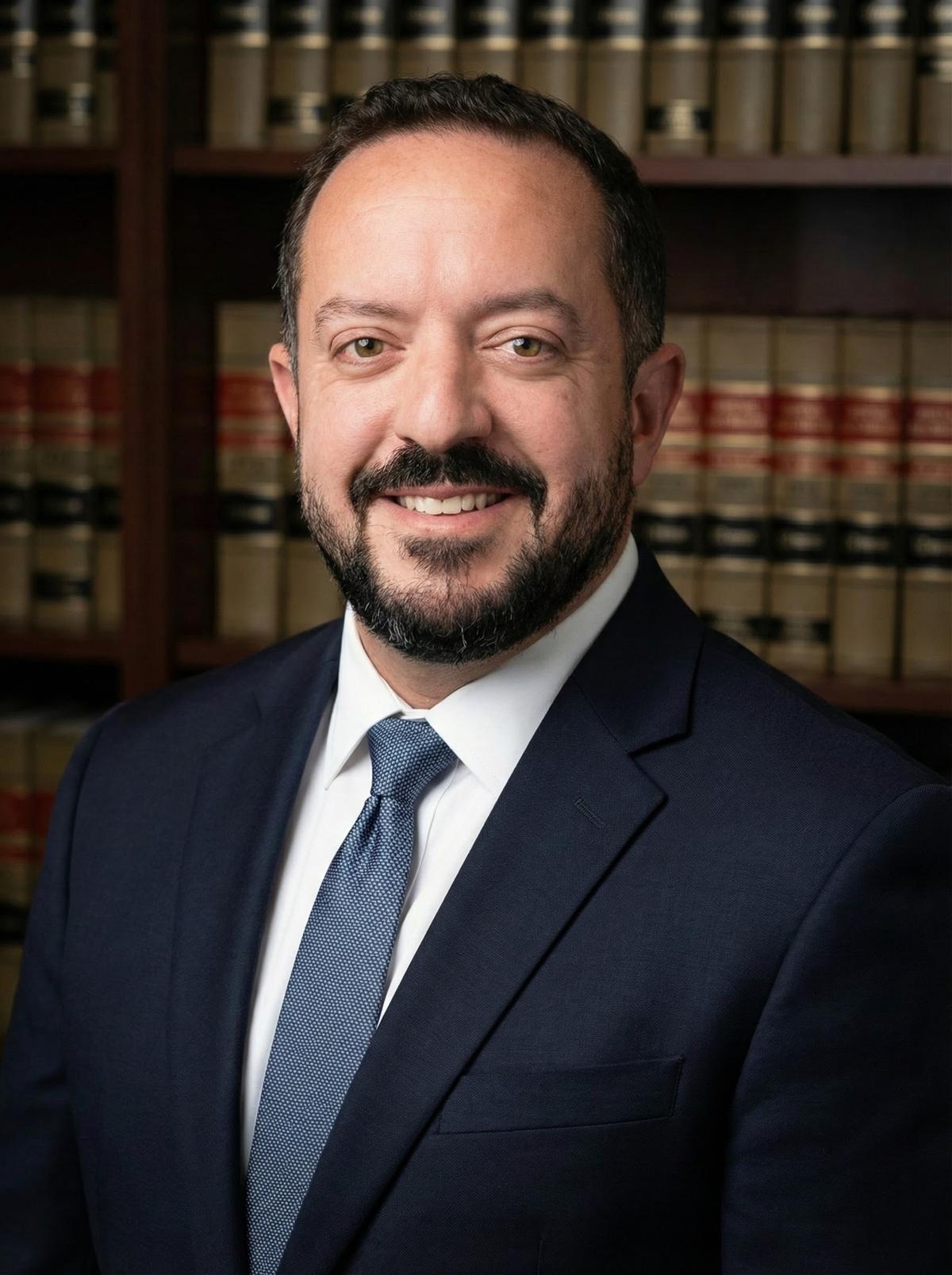
Why Addison
Addison approaches civil-rights work with respect for the person's experience and discipline about proof. The firm does not confuse outrage with a legal conclusion. Accepted matters are prepared for difficult questions about evidence, injury, causation, and responsibility.
D. Colby Addison represents people in serious Oklahoma civil-rights disputes and brings trial-focused preparation to matters involving government power.
From first account to informed choice
The aim is to understand the encounter, protect vulnerable evidence, and decide whether the available facts support work the firm can responsibly undertake.
Share the sequence in your words, the people and agencies you can identify, any pending charge, the injuries, and the next date. Bring the strongest original paper or recording.
Addison compares the account with reports, recordings, medical material, witnesses, and other available records. Conflicts, missing evidence, responsible people, and legal questions are identified directly.
The firm explains whether more investigation is needed, another lawyer should be involved, or representation may be offered. Scope, fees, and responsibilities are confirmed in writing.
Straight answers
These answers are a starting point. The right next step depends on what happened, who was involved, and when.
No. A civil-rights matter addresses harm caused by government conduct. It does not defend a pending criminal or municipal charge. If another case is open, obtain appropriate defense counsel and disclose that case before making statements or taking civil action.
Not always. A report may identify officers, units, and agencies, but legal responsibility can depend on personal involvement, employment, authority, policy, and the claim asserted. Preserve the entire report with any related recording or transfer paperwork.
Original video, photographs, dispatch information, camera footage, medical records, witness details, reports, custody records, and nearby private surveillance may all matter. The first task is preserving what exists before routine deletion or loss.
Do not assume it does. A complaint, records request, preservation request, administrative process, and lawsuit serve different purposes. Their effect depends on the people, entity, claim, and current law. Keep submission proof and discuss every known date promptly.
Share the precise address or coordinates, report heading, vehicle markings, badges, and custody papers. The location may help identify the people and records involved, but it does not decide liability. Addison can sort those details during review.
Keep exploring
Pryor resources
These links provide background on the places, services, and records discussed above. They do not decide what happened in a particular matter or replace advice based on the complete facts.
Start with your account
Share the encounter, the injury, any pending case, and the strongest original evidence you have. Addison can help identify a responsible next step.