Force out of proportion to the situation
A stop or arrest may deserve investigation when strikes, restraints, weapons, takedowns, or prolonged force caused serious injury after the danger had passed or was never present.
Civil-rights help for Sallisaw
Addison listens to people seriously harmed by force, detention, searches, retaliation, or unsafe custody. The first task is to understand what you experienced, protect evidence that can fade, and separate the government's explanation from what the record may eventually show.
Addison Law Firm's office is in Oklahoma City. The firm serves Sallisaw-area clients and can meet by phone, video, or arrangement.
Counsel for individuals and families
You may be recovering physically while also facing fear, public embarrassment, missed work, a pending charge, or unanswered questions. Addison begins with those consequences and your firsthand account. Legal analysis comes after the human event is understood.
Encounters that warrant a closer look
Not every bad government encounter becomes a civil-rights case. A meaningful review asks what officials knew, what they chose, whether the response fit the circumstances, and what injury or loss followed.
A stop or arrest may deserve investigation when strikes, restraints, weapons, takedowns, or prolonged force caused serious injury after the danger had passed or was never present.
The reason given for a detention may conflict with witness accounts, recordings, a warrant, the length of custody, or the information available when the decision was made.
A search or taking can require close attention to consent, the scope of a warrant, what officials claimed to observe, and whether property or digital information was kept beyond the stated purpose.
Protected speech, a complaint, or a plea for medical attention should not trigger punishment. Timing, words, symptoms, requests, and the response can reveal why later harm occurred.
How the facts are developed
Memory, reports, recordings, and medical evidence may not line up neatly. Addison builds a careful sequence, acknowledges uncertainty, and follows each important decision to the proof that can confirm or challenge it.
Words, movement, restraint, searches, transport, requests for care, custody changes, release, and later contact are placed in order. What you remember is distinguished from what a document or witness later supplied.
Body-camera video, dispatch audio, facility footage, private surveillance, medical material, and digital records can follow different retention practices. Counsel can target what is most vulnerable without asking you to chase it.
Uniform details, vehicle markings, paperwork, recordings, and custody documents can show who ordered, carried out, approved, or failed to correct the conduct. Responsibility is developed from evidence, not guessed from appearance.
Addison evaluates the violated right, personal involvement, injury, causation, defenses, available relief, approaching dates, and the effect of any pending case. Strengths and obstacles are explained without promising an outcome.
In the days after the event
Do not confront officials or try to conduct your own investigation. A private chronology, untouched files, witness details, and prompt legal advice provide a safer foundation.
Note the setting, words, commands, movement, force, restraint, search, transport, requests for care, release, and injuries. Keep the account private and mark details learned later from someone else.
Back up photos, recordings, messages, call history, and location information without trimming, filtering, or adding commentary. Preserve the device and cloud version when practical and lawful.
Write down witness names and nearby places where cameras were visible. Do not trespass, demand footage, or suggest what a witness should remember. Counsel can evaluate preservation steps.
A Sallisaw encounter can keep unfolding
An encounter near Sallisaw may begin beside a road, inside a home, at a business, or during a call for help. Harm can continue during transport, booking, detention, or delayed treatment. Describe the full arc even if the first report addresses only one piece.
You do not need every name or recording before asking for advice. Share the location, visible identifiers, papers, injuries, witnesses, and any charge or hearing. Addison will determine which responsibility and evidence questions need investigation.
Civil-rights counsel does not replace criminal defense. Tell both lawyers about any citation, charge, bond term, warrant, or hearing before making a statement or filing something that could affect the other matter.
Witnesses, photographs, injuries, dispatch information, messages, physical evidence, reports, and inconsistent statements may still matter. Contact a lawyer based on the seriousness of the event, not on whether a clip is already in hand.
Seek appropriate help, describe symptoms truthfully, and follow reasonable instructions. Save injury photographs, referrals, restrictions, diagnoses, and bills so the continuing effect is not left to memory alone.
Why Addison
Addison takes the person's experience seriously while testing every important assertion. Accepted matters are prepared for demanding questions about credibility, recordings, medical causation, individual conduct, defenses, and the real cost of lost freedom or safety.
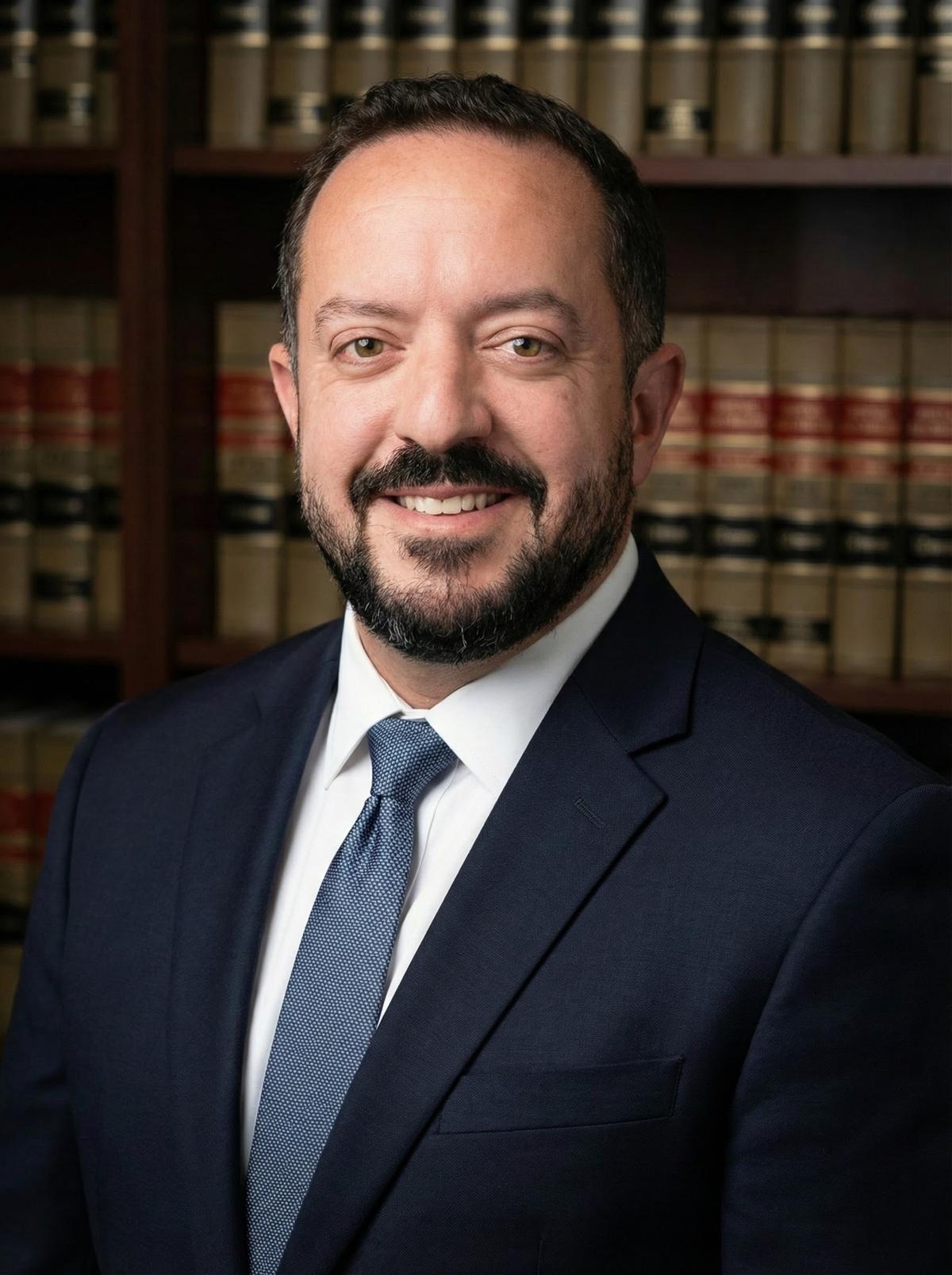
D. Colby Addison represents people in serious Oklahoma civil-rights disputes and brings trial-focused preparation to matters involving government power.
From first account to informed decision
Each stage should answer a practical question: what happened, what can show it, and what step best protects the client now? Missing information is identified without treating uncertainty as disbelief.
Explain the event in your words, including fear, pain, detention, treatment, work loss, and anything pending. Bring one strong original item and identify the next known date.
Addison compares the account with available documents, recordings, witnesses, physical evidence, and medical findings. Conflicts and gaps guide investigation instead of being hidden.
The client receives a candid view of what is promising, what is difficult, what other help may be required, and whether Addison can offer representation. Any engagement is confirmed in writing.
Straight answers
These answers are a starting point. The right next step depends on what happened, who was involved, and when.
No. A civil-rights claim concerns harm caused by government conduct; it does not defend a citation or criminal charge. Obtain appropriate defense counsel for any pending case and make sure both lawyers know about the related work.
No. A report may provide names, times, and an official explanation, but it can omit perspectives or conflict with recordings, witnesses, medical evidence, and later testimony. Preserve every page without writing on the original.
Keep original photos, video, messages, location history, reports, court papers, medical instructions, damaged clothing or property, and witness contacts. Note visible cameras and identifying details, then let counsel decide how to seek material you do not control.
Do not assume so. A complaint may create a record but may not preserve evidence, provide required notice, file a lawsuit, or stop a deadline. Keep the exact submission and proof of delivery, then ask a lawyer what else is needed.
Call with what you know. The scene, time, report heading, badge or unit number, vehicle marking, custody paper, witness, photograph, or later message may help identify participants. Addison can investigate responsibility without requiring you to solve it first.
Keep exploring
Sallisaw resources
These links provide background on the local services and records discussed above. They cannot decide a particular matter or replace advice based on the complete facts.
Your account deserves a careful hearing
Share the encounter in your words, any related case, your injuries, the strongest original material, and the next date. Addison can identify what should be preserved and what should happen next.