Governance and institutional authority
Questions about who may act, which approval is required, how power was delegated, whether a board or enterprise followed its structure, and how the decision should be recorded for future leaders.
Tribal organizational counsel serving Sallisaw
Addison advises Tribal governments and Tribal entities on governance, workforce decisions, contracts, development, sovereign interests, and consequential disputes. Each assignment begins with the client's authority, objective, governing materials, and operational reality.
Addison Law Firm's office is in Oklahoma City. The firm serves Sallisaw-area clients and can meet by phone, video, or arrangement.
Counsel for Tribal governments and Tribal entities
Tribal leadership often balances sovereign authority, community service, personnel, money, relationships, and long-term institutional interests at once. Addison turns the legal question into a course leadership can understand, authorize, communicate, and carry out.
Assignments with institutional consequences
An assignment may concern prevention, a transaction, an internal concern, negotiation, or litigation. Addison keeps the specific client's objective at the center and builds the advice from that client's law and record.
Questions about who may act, which approval is required, how power was delegated, whether a board or enterprise followed its structure, and how the decision should be recorded for future leaders.
Workforce policies, complaints, investigations, accommodations, discipline, separation, leadership obligations, and sensitive personnel disputes that require fairness, confidentiality, consistency, and attention to the client's law.
Procurement, financing, project agreements, vendor performance, insurance, approvals, dispute provisions, and commercial relationships where sound documents must advance the project without surrendering authority by accident.
High-consequence disputes involving sovereign immunity, governing law, land, enforcement, exhaustion, recognition, or competing authority, including matters that may move through more than one process.
How institutional advice becomes usable action
Leadership should not receive a string of caveats with no recommendation. Addison identifies the desired result, examines what permits or limits it, and develops a record and implementation plan suited to the institution.
The firm asks what leadership must decide, which result it seeks, what cannot be compromised, who will implement the choice, and which relationships matter. Research is directed toward that practical assignment.
Addison reviews the exact client identity, constitution, charter, code, delegations, policies, resolutions, approvals, agreements, amendments, and signatures. No particular sovereign or governing rule is assumed from the Sallisaw location.
The assignment may produce a revised agreement, resolution, policy, investigation step, decision record, negotiation position, preservation plan, or litigation strategy. The form should fit the people who must act on it.
Immunity, jurisdiction, waiver, governing law, remedies, service, exhaustion, and recognition are considered alongside timing and operations. Protective language should reflect an informed institutional choice, not a borrowed form.
Before the institution takes a public or binding step
Counsel can move faster when the client identifies who needs advice, the result sought, the current governing text, earlier commitments, and the date on which action becomes necessary.
State the exact government or entity, officials authorized to direct the work, approval structure, decision due, and practical objective. Flag known conflicts, recusals, ethics concerns, or divided authority.
Provide the full constitution, code, charter, policy, resolution, delegation, contract, amendment, exhibit, procurement history, approval, signature page, and relevant order. Isolated clauses can hide conditions or exceptions.
Share demand letters, negotiations, prior advice, notices, pleadings, orders, service, hearing dates, appeal terms, settlement discussions, and internal commitments. The next step must account for the position already taken.
Tribal organizational work in the Sallisaw region
Sallisaw sits within a region where Tribal, federal, state, and local interests may touch the same project or dispute. That setting does not identify the client, applicable law, land status, authority, or proper course. Addison confirms those questions from the institution's own facts.
Leadership can begin with the decision due, the exact Tribal government or entity seeking advice, the governing materials already available, and the outcome it wants to protect. Counsel will determine which additional relationships or jurisdictional facts matter.
A constitution, charter, code, delegation, policy, resolution, agreement, or earlier decision may control a question differently from a general assumption. Full context, effective dates, and amendments matter.
When a project's location genuinely bears on authority, obligations, financing, or dispute strategy, Addison can identify the title, lease, survey, approval, or government information needed.
A sound strategy may use internal authority, negotiation, contract rights, preservation, or formal proceedings in sequence. Addison compares those options against the client's objective, sovereign interests, relationships, and resources.
Why Addison
Addison works with Tribal leaders on decisions that affect governance, people, projects, finances, and sovereign authority. The goal is a legally grounded recommendation that acknowledges uncertainty, fits operations, and protects institutional strength over time.
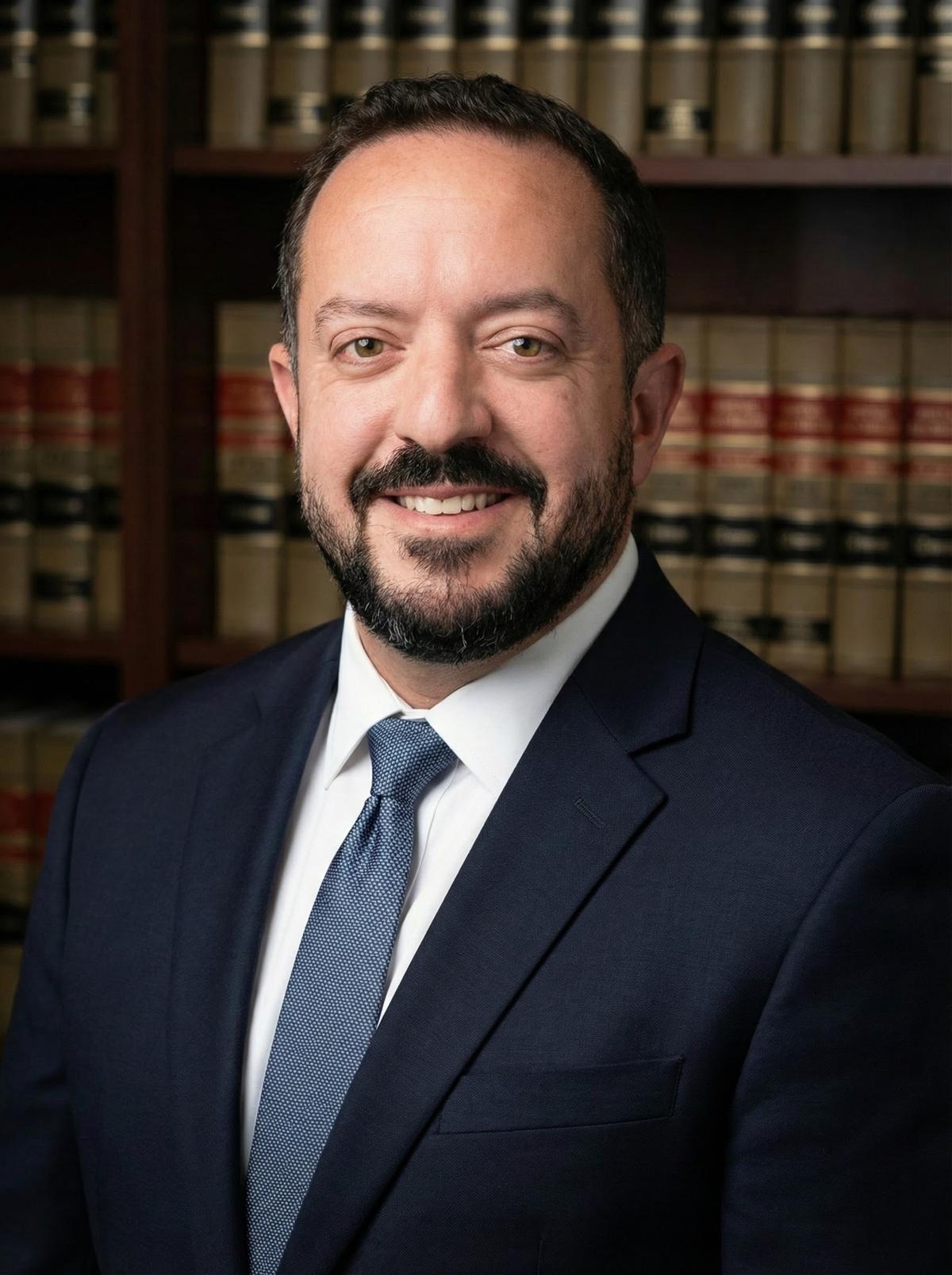
D. Colby Addison's practice includes Tribal governance, employment, contracts, economic development, jurisdiction, and significant disputes for governments and Tribal entities.
From leadership concern to an institutional record
Addison defines the assignment, develops the governing and factual record, compares realistic alternatives, and delivers work product that supports both immediate action and future institutional memory.
The exact Tribal government or entity, authorized contacts, conflicts, scope, objective, deliverable, and timing are established first. Clear client identity keeps advice aligned with the institution rather than individual interests.
The firm studies controlling law and documents, resolves material factual gaps, identifies sovereign and procedural concerns, and compares available courses against implementation, relationships, cost, and long-term authority.
Leadership receives a recommendation in a usable form, with legal basis, known uncertainty, tradeoffs, approval needs, communication considerations, and next actions. The document should help the institution act consistently.
Straight answers
These answers are a starting point. The right next step depends on what happened, who was involved, and when.
Addison advises Tribal governments and Tribal entities. Work may involve governance, personnel, agreements, development, investigations, and disputes. Every assignment is tailored to the exact client's law, structure, authority, documents, and goals.
No. Location alone does not establish the client, governing law, land status, authority, jurisdiction, or immunity. Leadership can identify the exact institution and decision; Addison will investigate which facts and law govern without assuming a particular Nation.
Yes. Addison advises Tribal governments and entities on policies, complaints, investigations, accommodations, discipline, separation, leadership duties, and significant personnel disputes. Advice follows the client's own law and institutional objectives.
Send the full agreement, exhibits, amendments, procurement history, authority documents, approvals, signatures, important correspondence, performance record, dispute terms, and the decision now required. Flag any active proceeding or deadline immediately.
Yes. Early counsel can clarify authority, improve an agreement or policy, structure an investigation, preserve information, prepare negotiation, and compare alternatives before public positions or relationships become harder to change.
Keep exploring
Sallisaw resources
These links provide background on the local services and records discussed above. They cannot decide a particular matter or replace advice based on the complete facts.
Start with the decision leadership cannot postpone
Identify the exact Tribal client, authorized contacts, objective, governing materials, prior commitments, and decision date. Addison can shape a focused assignment around the institution's needs.