Excessive force and serious injury
An officer may use force during an arrest, restraint, transport, or detention. The amount, timing, reason given, warnings, resistance, injuries, and available recordings all matter.
Civil-rights help in Shawnee
Excessive force, an unjustified arrest, an unlawful search, dangerous jail conditions, or retaliation can leave physical and personal harm. Addison examines what happened, who participated, what records exist, and how the event affected your life.
Addison Law Firm's office is in Oklahoma City. The firm serves Shawnee-area clients and can meet by phone, video, or arrangement.
For people harmed by official power
Tell the story in order: why contact began, what was said, when restraint or force occurred, where you were taken, and what followed. You do not need legal vocabulary. Clear facts, original records, and the effect on your life provide the strongest starting point.
Problems the firm reviews
The right questions depend on the conduct and the people involved. Addison evaluates the complete sequence instead of forcing a complicated encounter into a single label.
An officer may use force during an arrest, restraint, transport, or detention. The amount, timing, reason given, warnings, resistance, injuries, and available recordings all matter.
A stop, search, arrest, or continued confinement can raise questions about what officials knew, what they claimed, how long the seizure lasted, and what later records show.
Ignored symptoms, delayed treatment, dangerous conditions, violence, or inadequate supervision may require medical records, requests for help, housing records, policies, video, and witness accounts.
Speaking, reporting misconduct, recording in a lawful setting, filing a complaint, or using another protected right may be followed by threats, punishment, charges, or unequal treatment.
Building an accurate record
A civil-rights matter is more than a disturbing moment. The work requires a reliable timeline, the correct organizations and people, the governing legal rules, and proof of what the encounter cost you.
Addison compares your account with dispatch information, reports, citations, booking papers, medical records, photographs, video, messages, witness accounts, and later court records.
Reports, recordings, witness accounts, and later records can show who gave commands, used force, continued a detention, ignored a request for care, or approved what happened. Addison follows conduct and proof before drawing conclusions about responsibility.
Recordings, dispatch data, facility video, communications, and electronic records may not remain available forever. Addison evaluates where important material may exist and what lawful preservation steps fit the circumstances.
Medical harm, fear, humiliation, lost income, family strain, criminal-case effects, and changes in daily life require different support. The firm develops damages from records and credible lived detail.
After a harmful encounter
The first days can feel chaotic. Focus on accurate preservation and necessary care rather than public argument.
Get medical attention for injuries or concerning symptoms. Keep discharge papers and explain the mechanism of injury accurately. Follow reasonable treatment recommendations and record obstacles to care.
Keep photographs, audio, video, messages, location history, and social-media downloads in their original form. Note who created each file and do not add captions or filters to the original.
Record the sequence, exact words you remember, restraint or force, witnesses, transport, release, care, complaints, and later consequences. Label uncertainty honestly and avoid debating the case online.
After a harmful encounter in Shawnee
After force, detention, a search, or harm in custody, it can be hard enough to explain the experience while managing injuries, fear, or a pending case. Begin with what each person did, what harm followed, and the papers or recordings already in your hands. Addison can build the legal structure from there.
Save the report number, original media, medical instructions, witness information, and every court date. If a name or uniform is unclear, say so rather than guessing. Addison can identify the people and records that need prompt investigation.
Describe how contact began, what was said, when force or restraint occurred, where you went next, and how your health or daily life changed. Addison can supply the legal structure.
A department name from a report, citation, vehicle, or booking paper helps. If you are unsure who employed someone, say so rather than guessing. The firm can follow the record.
Keep treatment records and every page of any citation, charge, release condition, or hearing notice together. Mention the next date immediately so legal work does not interfere with needed care.
Why Addison
Addison approaches official misconduct as serious litigation. The firm tests the facts, identifies weak points early, preserves the client's voice, and develops the medical, economic, and personal consequences without exaggeration.
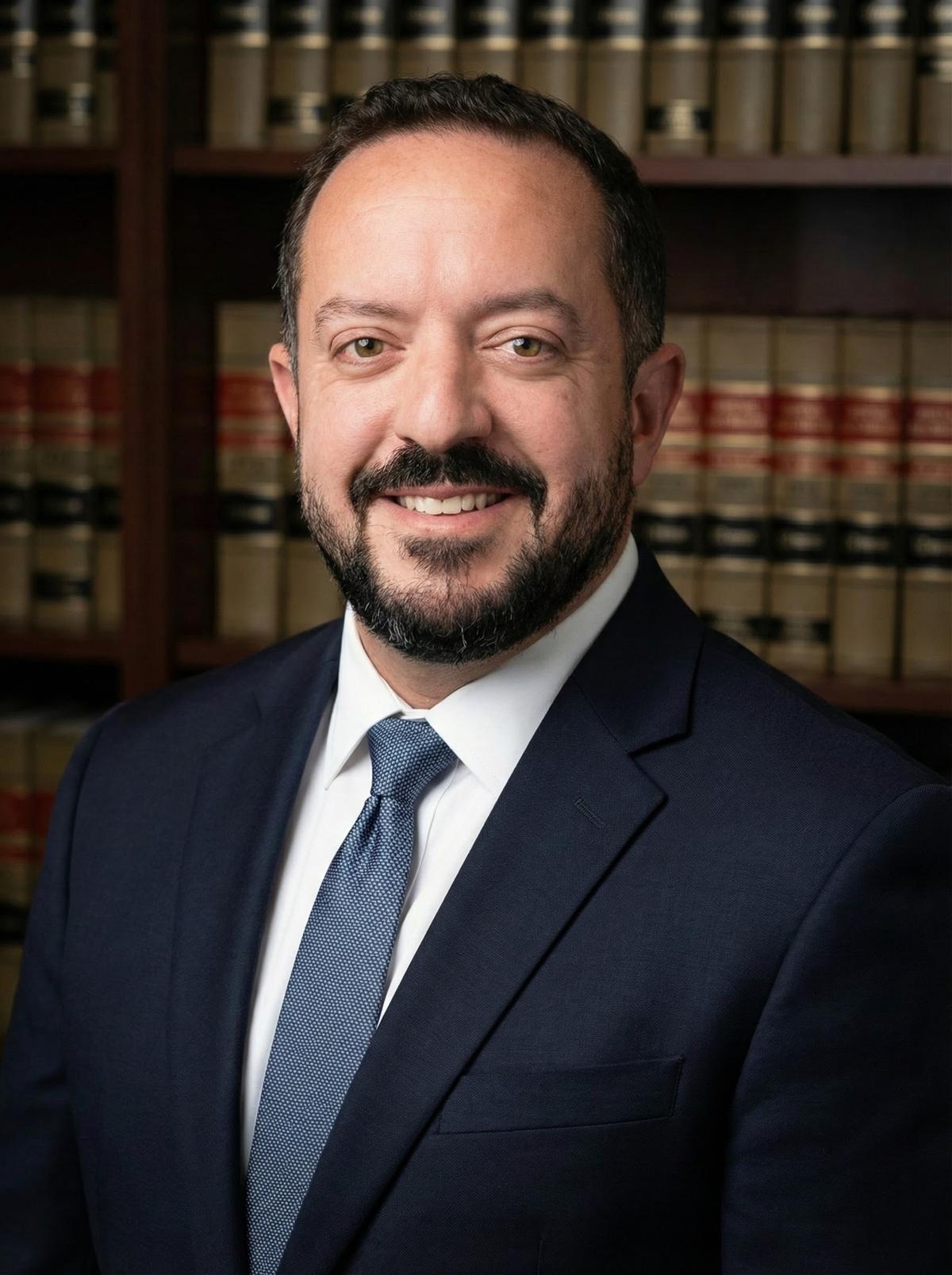
D. Colby Addison represents people in significant civil-rights matters and brings Oklahoma trial experience to disputes involving official power.
The civil-rights review
The firm first learns the sequence, then compares it with available records and the rules that may apply.
Explain what happened before, during, and after contact. Include facts that may be uncomfortable or disputed. Candor lets counsel identify the real strengths and risks.
Addison reviews reports, video, photographs, medical records, witness information, court papers, complaints, messages, wage loss, and expenses. Missing items are identified deliberately.
The firm explains the questions that control the matter, what must be investigated, and whether representation may be offered. Any engagement, responsibilities, and fees are stated in writing.
Straight answers
These answers are a starting point. The right next step depends on what happened, who was involved, and when.
Keep original recordings and photographs, complete reports and citations, booking or release papers, medical records, complaint receipts, witness contacts, messages, wage proof, and a dated account. Save badges, vehicle numbers, department names, and the exact location.
Not automatically, but the charge, the reason given for contact, available evidence, later court result, and the specific conduct all matter. Share every page of the criminal or municipal case and tell counsel about the next hearing immediately.
A complaint may serve a useful purpose, but different processes have different effects and dates. If possible, get advice before submitting a detailed statement. If you already complained, preserve exactly what you sent and any response.
Describe what each person did, where they stood, what they wore, which vehicle or room they used, and what happened next. Reports, recordings, photographs, dispatch information, and witness accounts may supply names later.
Prompt review is wise because recordings and other records can change or disappear, and different claims may have different notice and filing dates. Mention any court date, grievance deadline, or request for a statement at once.
Keep exploring
Shawnee resources
These links provide background on local systems or the rules mentioned above. They cannot answer a matter-specific legal question or replace advice based on the complete facts.
Put the encounter in order
Share the timeline, department names, original media, complete papers, medical care, and next court date. Addison can identify the questions that deserve closer work.