Car and roadway collisions
A crash can raise questions about fault, traffic controls, distracted or impaired driving, vehicle condition, insurance, treatment, lost income, and the need for future care.
Personal-injury help in Shawnee
A serious injury can bring treatment, pain, missed work, transportation problems, bills, and uncertainty all at once. Addison helps Shawnee-area clients preserve the facts, understand the insurance process, and pursue accountability when unsafe conduct caused the harm.
Addison Law Firm's office is in Oklahoma City. The firm serves Shawnee-area clients and can meet by phone, video, or arrangement.
For injured people and their families
Explain where the event happened, who was involved, what care you received, and what life looks like now. The first conversation does not require a perfect file or a legal theory. Honest detail about health, work, and family responsibilities is more useful.
Injury matters the firm reviews
Injury cases differ by scene, responsible people and companies, available insurance, medical proof, and long-term effect. Addison evaluates the event and the recovery together.
A crash can raise questions about fault, traffic controls, distracted or impaired driving, vehicle condition, insurance, treatment, lost income, and the need for future care.
Falls, inadequate maintenance, poor lighting, unsafe entrances, missing warnings, and other hazards may require photographs, incident reports, surveillance, maintenance history, and ownership records.
An injury connected to work may involve workers' compensation questions and unsafe conduct by a different company, property owner, equipment provider, driver, or contractor.
Brain, spinal, burn, amputation, organ, and fatal injuries affect entire families. Medical needs, household support, income, future plans, grief, and decision-making all require careful attention.
Developing the injury claim
A claim must explain why the event happened, who bears responsibility, how the injury changed the client's health, and what fair compensation requires. The firm develops each part without turning a person into a spreadsheet.
Addison gathers scene photographs, reports, witness accounts, video, vehicle or property records, policies, contracts, maintenance information, and other proof that may explain the unsafe condition or choice.
The firm reviews emergency care, diagnoses, imaging, referrals, therapy, medication, restrictions, future recommendations, and gaps in care. Complete records help distinguish the new injury from prior conditions.
Wages, business income, household help, mileage, equipment, property damage, insurance payments, pain, sleep, mobility, relationships, and lost activities may require different proof.
Addison identifies available coverage, communicates with insurers, evaluates requests and offers, addresses liens when applicable, and prepares accepted matters for litigation when a fair resolution does not emerge.
After a serious injury
You do not need to investigate while hurt. A few practical steps can preserve important information without taking attention away from treatment.
Seek evaluation for significant symptoms, describe how the injury happened accurately, follow reasonable instructions, and return if symptoms worsen. Keep discharge papers, referrals, prescriptions, and restrictions.
Keep photographs, video, messages, reports, insurance exchanges, receipts, damaged property, and witness information. Record the address, route, direction, weather, lighting, and nearby cameras while memory is fresh.
Note appointments, missed work, pain, sleep, mobility, driving, household tasks, family help, and activities you cannot do. Factual entries are more useful than dramatic or repetitive ones.
Recovering after an injury in Shawnee
After an injury, appointments, pain, missed work, transportation, bills, and family responsibilities can take over quickly. Focus on care and an honest account of what you can no longer do. Tell Addison where it happened, how you were hurt, and what changed afterward. The firm can investigate responsibility from the location and papers you already have.
A map pin or street address is enough to begin. Save any report number, original photographs, witness contact, and insurance exchange without trying to build the full evidence plan yourself. Addison can identify what may change quickly while you concentrate on treatment and daily life.
Keep appointments, follow reasonable medical instructions, and note changes in sleep, movement, work, driving, household tasks, and family life. Plain details show the course of the injury.
An address, map pin, route and direction, business receipt, incident form, or report number is useful. You do not need to identify the property owner or responsible organization yourself.
Save emergency and follow-up records, imaging, therapy, prescriptions, restrictions, and bills. Share prior and later conditions honestly so Addison can understand what changed after the event.
Why Addison
Addison combines trial-focused investigation with attention to the person living through the claim. Accepted matters are developed from reliable records, candid client communication, and a clear account of medical and practical loss.
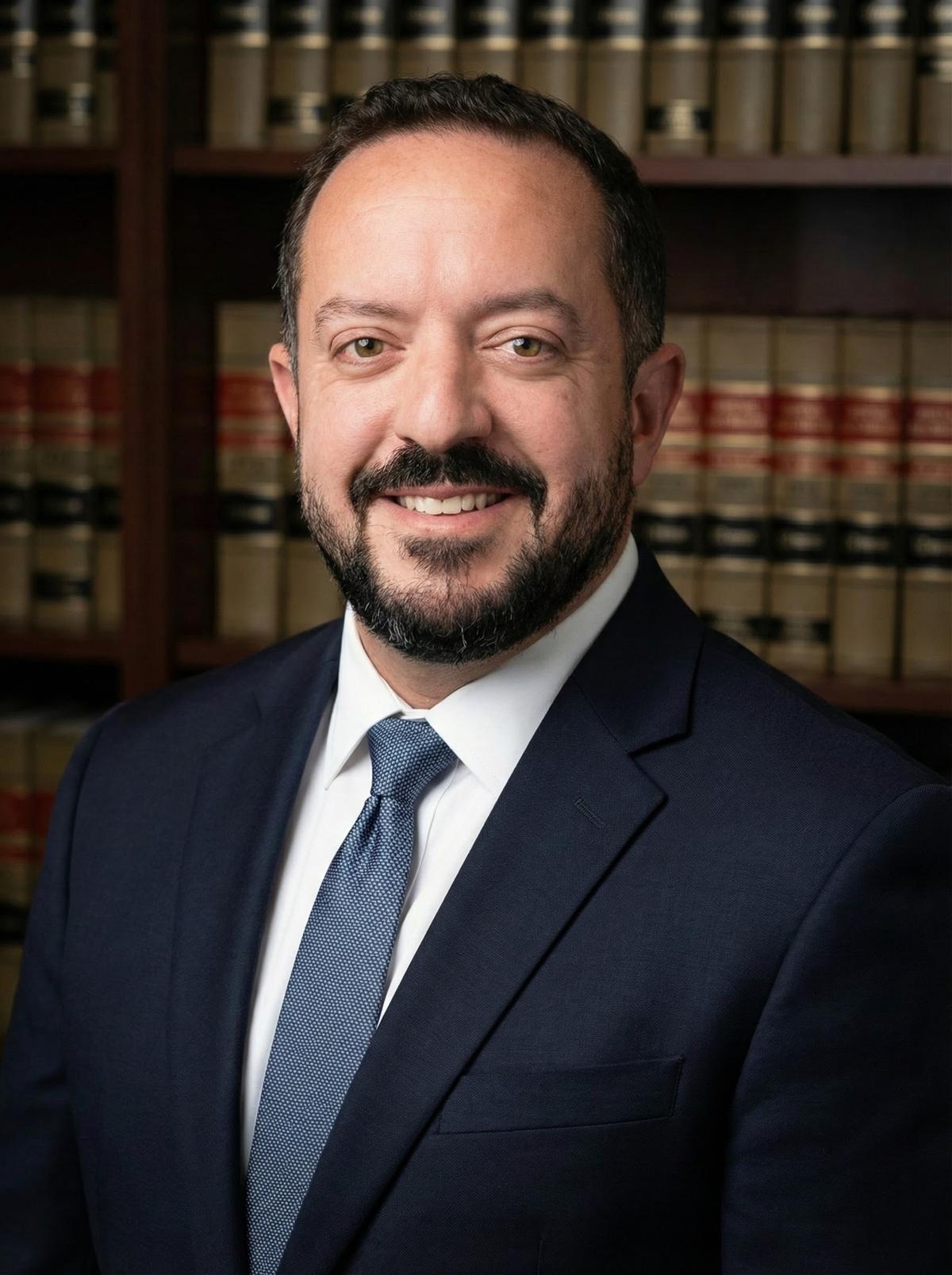
D. Colby Addison represents injured Oklahomans in significant personal-injury and wrongful-death matters.
The injury review
The firm learns what happened, identifies urgent preservation needs, and then builds the medical and financial record over time.
Share the location, people and companies involved, witnesses, reports, photographs, symptoms, treatment, insurance contact, and the change in daily life. Mention any notice or court date.
Addison looks for additional records, responsible parties, insurance policies, medical support, wage documentation, and other proof. The firm explains what the client should preserve and what counsel can pursue.
As the facts and treatment become clearer, Addison evaluates negotiation and litigation choices. Any representation, client responsibilities, costs, and fee terms are set out in writing.
Straight answers
These answers are a starting point. The right next step depends on what happened, who was involved, and when.
Keep original scene media, reports, witness contacts, insurance information, medical records and bills, prescriptions, restrictions, wage proof, receipts, damaged-property material, and a dated recovery account. Save the exact location and responding department.
Do not assume every request is routine. Identify which insurer is asking, which policy is involved, and whether you have obligations under that policy. Advice before a detailed statement can prevent avoidable confusion.
Tell counsel and your providers the full history. A prior condition does not automatically defeat a claim, but the records must distinguish earlier symptoms from a new injury or worsening. Selective disclosure can damage credibility.
Keep paystubs, schedules, tax or business records, employer notices, medical restrictions, leave records, and benefit statements. Note missed hours and reduced duties. The right proof depends on how you earned income before the injury.
Early advice can help when the injury is serious, responsibility is disputed, evidence may change quickly, several insurance policies may apply, or an insurer requests a statement or release. Mention every approaching date.
Keep exploring
Shawnee resources
These links provide background on local systems or the rules mentioned above. They cannot answer a matter-specific legal question or replace advice based on the complete facts.
Start with the injury and the change
Share the location, original media, reports, treatment, insurance papers, and next date. Addison can help identify the evidence and decisions that matter most.