Interstate and highway collisions
High-speed crashes can involve merging, following distance, lane changes, work zones, fatigue, distraction, weather, visibility, traffic backups, mechanical condition, and emergency response.
Truck-accident help in Shawnee
A collision with a semi, delivery truck, work vehicle, or commercial fleet can cause severe injuries and leave important evidence at risk. Addison investigates how the crash happened, preserves changing records, handles insurance pressure, and develops the medical and financial losses affecting a Shawnee-area family.
Addison Law Firm's office is in Oklahoma City. The firm serves Shawnee-area clients and can meet by phone, video, or arrangement.
For people hurt by commercial vehicles
Treatment, missed work, transportation, and family needs begin immediately, while truck data and business records may change. Save the report, original scene media, and visible truck information. Addison can investigate the rest while you focus on recovery.
Commercial crashes the firm reviews
The size of the vehicle is only the beginning. Ownership, employment, dispatch, maintenance, loading, route, safety practices, and available data may reveal why a collision happened.
High-speed crashes can involve merging, following distance, lane changes, work zones, fatigue, distraction, weather, visibility, traffic backups, mechanical condition, and emergency response.
Wide turns, blind spots, signal timing, blocked views, speed, right-of-way, and vehicle position may require scene measurements, video, event data, and careful witness accounts.
A van, utility truck, construction vehicle, or commercial pickup may be operating on a schedule or work assignment when unsafe driving, poor maintenance, or loading decisions cause harm.
The difference in size and force can cause brain, spine, organ, orthopedic, burn, and fatal injuries. Families need both immediate support and careful long-term proof.
Investigating the commercial chain
A truck collision leaves proof at the scene, in the vehicles, and in business systems. Addison connects that evidence to the choices that caused the crash and the injuries and losses that followed.
Addison examines photographs, video, measurements, debris, vehicle positions, road design, traffic controls, weather, lighting, witness accounts, reports, tow records, and nearby camera locations.
Trip records, ownership papers, dispatch communications, maintenance files, and testimony can show who controlled the driver, vehicle, cargo, or repair. Addison follows the evidence instead of asking the injured person to build a corporate chart.
Electronic logs, engine data, telematics, dash cameras, dispatch, route history, qualifications, inspections, maintenance, drug and alcohol records, shipping papers, and access logs may be important.
The firm connects emergency care, treatment, future medical needs, lost income, household changes, property damage, insurance, liens, pain, disability, and family consequences to reliable support.
After a truck collision
Treatment comes first. When possible, preserve basic identifiers and original files before vehicles, data, and memories change.
Seek evaluation for significant symptoms, follow reasonable instructions, and return if the condition worsens. Keep discharge papers, imaging, referrals, prescriptions, restrictions, and all bills.
Keep original photographs and video, witness contacts, reports, tow information, insurance exchanges, vehicle numbers, company names, cargo details, and any shipping paper you lawfully received.
Give necessary factual information, but do not speculate about speed, distance, injury extent, or fault. Identify which insurer is asking for a statement or authorization before agreeing.
Recovering after a Shawnee truck crash
A truck collision can leave a person dealing with emergency care, pain, lost transportation, missed work, insurer calls, and family disruption at the same time. Focus first on treatment and the effect on daily life. Addison can take on the investigation while you recover.
For a Shawnee-area crash, a clear location, report number, and photograph of the cab or trailer are enough to begin. Addison can preserve time-sensitive vehicle and trip records, investigate the decisions behind the collision, and keep the legal work from becoming another burden.
Follow reasonable medical instructions, keep restrictions and appointments, and note how the injuries affect sleep, mobility, work, driving, and family responsibilities. Addison can handle the commercial investigation.
If it is safe, preserve photographs of the cab and trailer, plates, company name, unit numbers, and federal identification number. Do not worry about determining ownership from those markings.
A report number, exact location, original scene media, witness contact, and insurance exchange are enough to begin. The firm can identify which electronic and business records deserve prompt preservation.
Why Addison
Addison approaches commercial crashes as evidence-intensive litigation. The firm identifies the organizations behind the trip, preserves changing records, develops medical and economic loss, and prepares accepted matters for a contested path.
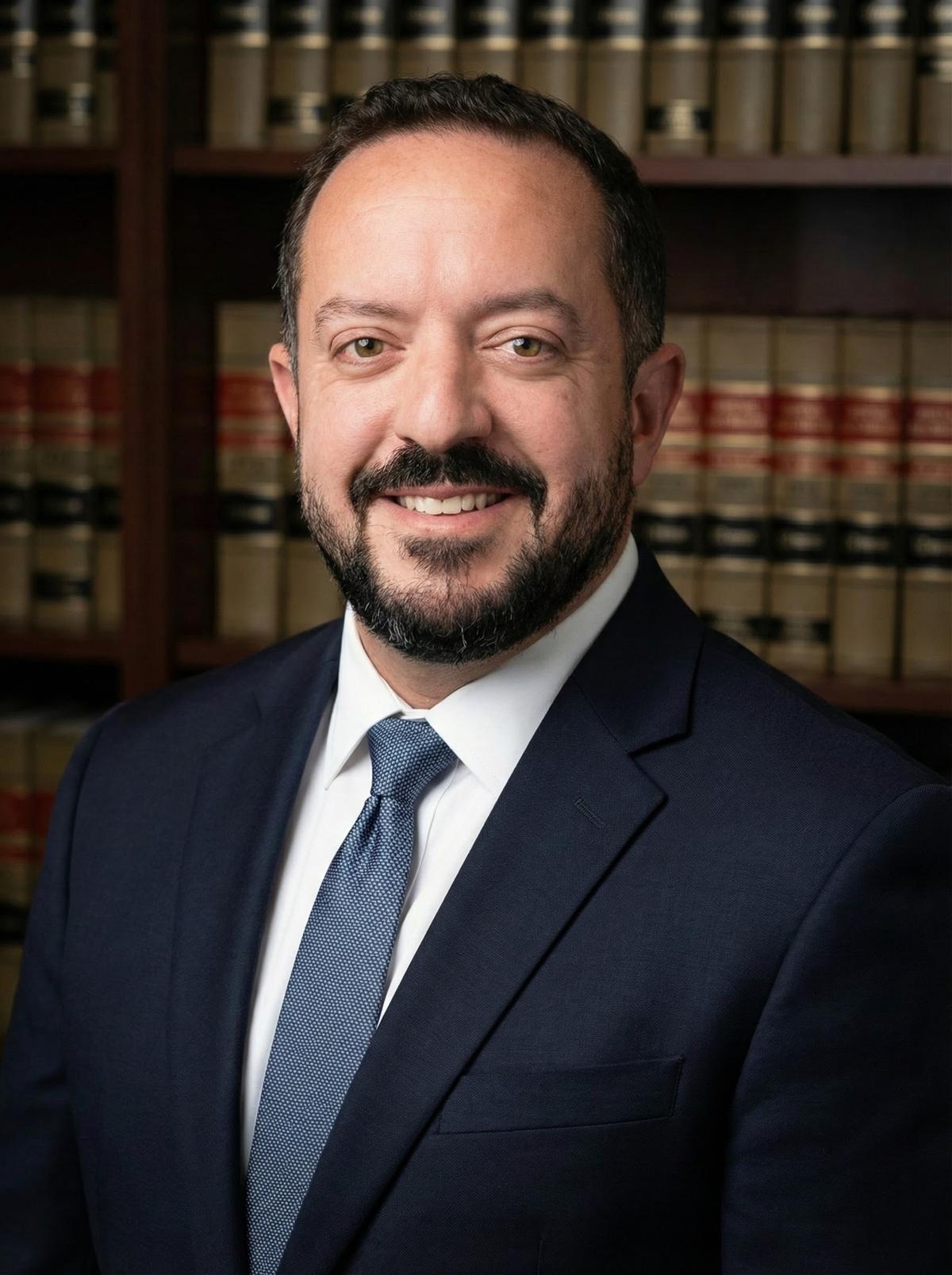
D. Colby Addison represents Oklahomans seriously injured in commercial-vehicle and trucking collisions.
The truck-crash review
The firm begins with the collision and injury, then traces the people, companies, equipment, data, and coverage connected to the trip.
Share the exact segment, route and direction, report, photographs, witness information, vehicle and company identifiers, symptoms, medical care, insurance contacts, and any approaching date.
Addison pursues records that can explain driving time, dispatch pressure, maintenance, loading, vehicle condition, and road events, then connects those facts to the people or businesses responsible.
The firm evaluates responsibility, defenses, medical causation, insurance, damages, liens, negotiation, and litigation as the record develops. Scope, responsibilities, costs, and fees are confirmed in writing.
Straight answers
These answers are a starting point. The right next step depends on what happened, who was involved, and when.
If it is safe, capture the scene, traffic controls, debris, marks, vehicle positions, damage, plates, tractor and trailer numbers, company names, United States Department of Transportation numbers, placards, cargo details, and nearby cameras. Keep originals.
No. Federal records may help identify a carrier and safety information, but they do not decide civil fault or reveal every company involved. Scene identifiers, shipping papers, ownership, employment, dispatch, and other evidence must be matched carefully.
Possible records include electronic logs, engine and event data, telematics, dash cameras, dispatch, route history, driver qualifications, inspection and maintenance, drug and alcohol material, cargo files, and site access. Retention varies by system.
You may need to provide basic information, but identify the company and policy before giving a detailed recorded statement, broad medical authorization, or release. Early advice can help keep the account accurate and appropriately limited.
Vehicles may be repaired, scene evidence can disappear, and electronic or business records may be overwritten during ordinary operations. Early work helps identify and preserve the proof needed to explain the crash.
Keep exploring
Shawnee resources
These links provide background on local systems or the rules mentioned above. They cannot answer a matter-specific legal question or replace advice based on the complete facts.
Start with the crash and your recovery
Share the report, original scene media, visible truck information, medical records, and insurance papers. Addison can preserve changing evidence and help you decide what comes next.