Governance and institutional authority
Counsel may address constitutions, codes, charters, resolutions, delegations, boards, committees, executive authority, separation of powers, records, ethics, and procedures for lawful decision-making.
Counsel for Tribal governments and entities
Addison advises Tribal governments and Tribal entities on governance, employment, agreements, institutional policy, commercial work, and significant disputes. The firm brings direct judgment to decisions where authority, sovereignty, operations, and long-term relationships meet.
Addison Law Firm's office is in Oklahoma City. The firm serves Shawnee-area clients and can meet by phone, video, or arrangement.
For Tribal leaders and institutions
A legal answer is useful only when leadership can act on it. Addison begins with the client's authority, objective, governing documents, operational setting, and time pressure. The work can then be shaped around a decision, negotiation, investigation, transaction, policy, or dispute.
Organizational work the firm handles
The firm provides affirmative counsel across internal government work and external relationships. Each engagement is grounded in the client's law, structure, priorities, and practical constraints.
Counsel may address constitutions, codes, charters, resolutions, delegations, boards, committees, executive authority, separation of powers, records, ethics, and procedures for lawful decision-making.
Addison advises Tribal governments and entities on policies, investigations, complaints, accommodations, discipline, separation, leadership duties, documentation, and disputes affecting the workforce.
The firm helps negotiate and draft agreements involving vendors, construction, professional services, financing, property, enterprises, development, confidentiality, dispute terms, and the protection of sovereign interests.
Counsel can analyze authority, venue, immunity, waiver, exhaustion, applicable law, remedies, and strategy in disputes involving governments, entities, businesses, officials, or outside parties.
Advice leaders can use
Tribal counsel must understand more than doctrine. The work should fit the government's structure, preserve institutional choices, anticipate implementation, and communicate clearly with the people responsible for the next step.
The firm identifies the decision leadership needs to make, the result it seeks, the authority available, the competing interests, and the cost of delay before recommending a path.
Addison reviews constitutions, codes, charters, resolutions, policies, contracts, court papers, delegations, organizational records, and prior actions instead of assuming a generic structure.
Agreements and litigation strategy receive careful attention to authority, immunity, waiver, dispute provisions, applicable law, records, confidentiality, remedies, and the practical value of future relationships.
Advice is translated into the resolution, contract language, policy, communication, negotiation position, investigation plan, or litigation choice leadership can actually use.
When leadership needs an answer
A concise internal record helps counsel give advice that fits both the law and the government's operating reality.
Identify what must be approved, stopped, negotiated, investigated, answered, filed, or communicated; who has authority; and when the next step must occur.
Collect current laws, resolutions, policies, delegations, contracts, amendments, correspondence, notices, court papers, and prior decisions. Keep signatures and attachments with each item.
List what the record confirms, what leadership has been told, and what remains uncertain. Identify the people who can clarify authority, history, performance, finance, operations, or risk.
Counsel for Tribal decisions in the Shawnee area
Leadership usually comes to counsel with a decision: approve an agreement, answer a complaint, address a workforce issue, protect an enterprise, clarify authority, or prepare for a dispute. Start with the objective, who must act, what document is driving the issue, and the next date.
Addison works from the Tribal client's own law, records, relationships, and institutional priorities. Bring the current governing document, complete agreement or notice, prior action on the issue, and the result leadership needs. The firm can then turn the legal questions into advice the institution can use.
Tell Addison what leadership must approve, stop, negotiate, investigate, answer, or communicate. The objective and time pressure help organize the legal work around the government's real need.
A current code provision, policy, resolution, delegation, charter, contract, notice, or court paper is enough to start. Keep amendments, signatures, and attachments with it.
Identify who will carry out the decision, what document or communication is needed, and which relationships may be affected. Addison can help leadership choose a path it can defend and implement.
Why Addison
Addison approaches Tribal government work with attention to sovereignty, lawful authority, operational reality, and the client's long-term interests. The goal is clear advice that leadership can defend and implement.
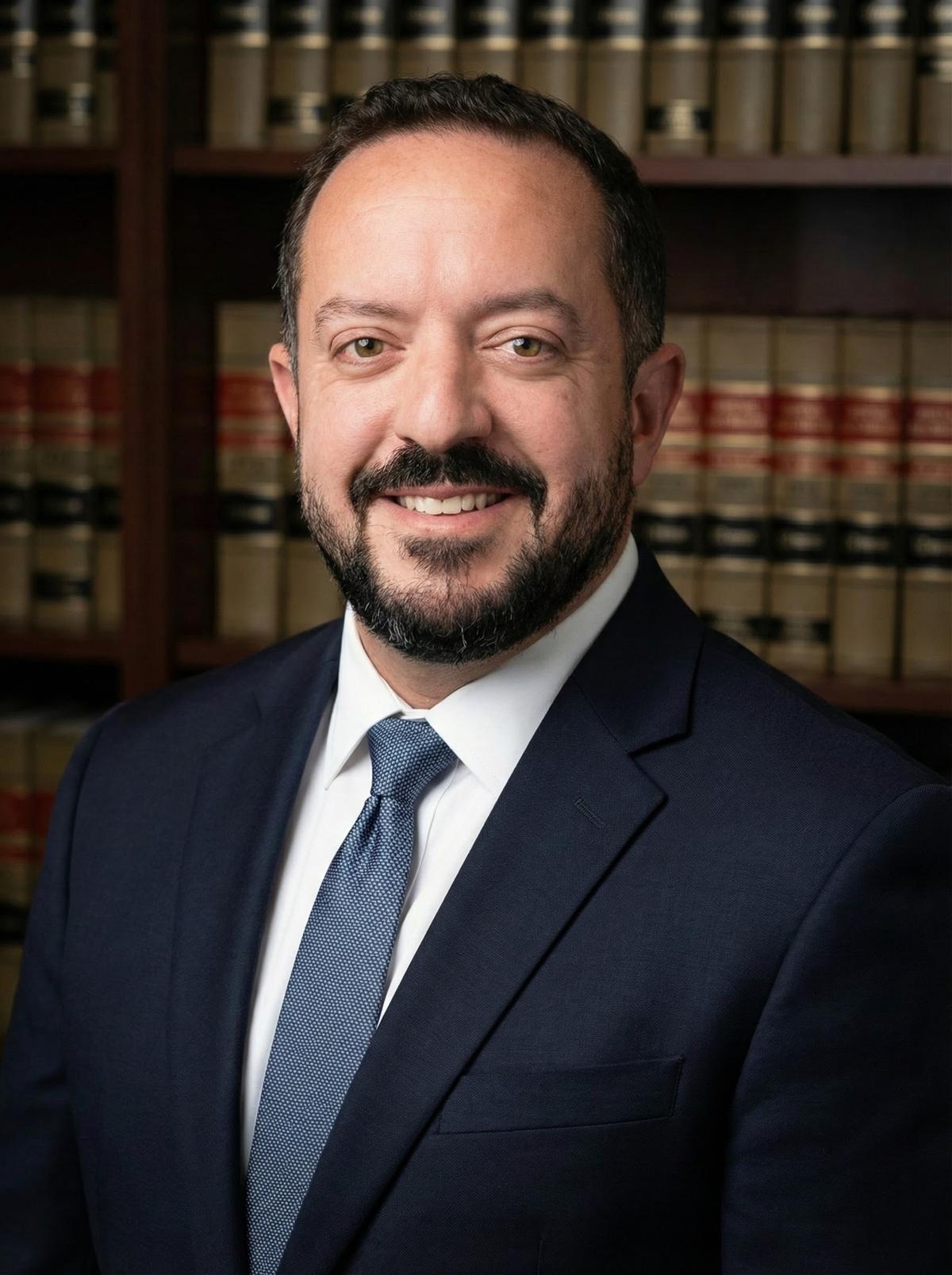
D. Colby Addison advises Tribal governments and Tribal entities on governance, employment, transactions, policy, investigations, and significant disputes.
The organizational engagement
The firm works with authorized leadership to define the objective, establish the governing record, and deliver the right form of advice or work product.
Addison identifies the government or entity requesting advice, the authorized decision-makers, applicable law, organizational relationships, and any immediate deadline or conflict concern.
The firm reviews governing documents and relevant facts, tests competing interpretations, identifies legal and operational risk, and discusses the available choices with leadership.
The work may result in advice, negotiations, contract language, resolutions, policy revisions, investigation steps, communications, or litigation. Scope, responsibilities, and fees are confirmed in writing.
Straight answers
These answers are a starting point. The right next step depends on what happened, who was involved, and when.
The firm advises on governance, authority, employment, investigations, policies, contracts, commercial matters, negotiations, jurisdiction, immunity, disputes, and litigation. The engagement is shaped around the government's objective and governing materials.
Yes. Counsel can address authority, scope, payment, performance, ownership, confidentiality, records, insurance, indemnity, applicable law, dispute terms, sovereign interests, termination, remedies, and implementation. The right provisions depend on the transaction and parties.
Yes. Early counsel can clarify authority, compare practical options, strengthen the record, improve agreement terms, plan an investigation, and identify implementation risks before positions harden. The work is shaped around the government's objective and next decision date.
Provide a short statement of the needed decision, the next date, the exact client and counterparties, current governing documents, complete agreements and amendments, relevant communications, and any prior action on the issue.
The firm confirms who may direct the work and receive advice, identifies conflicts and organizational relationships, and defines communication and document practices in the engagement. Specific protections depend on the client and circumstances.
Keep exploring
Shawnee resources
These links provide background on local systems or the rules mentioned above. They cannot answer a matter-specific legal question or replace advice based on the complete facts.
Begin with the organization's decision
Share the objective, authority, governing documents, parties, and next date. Addison can help turn the legal and operational questions into a usable path.