Excessive force
An officer used a firearm, Taser, strike, restraint, vehicle, police dog, or other force that seemed unnecessary or far out of proportion to the situation.
Civil-rights help for Tahlequah
Addison Law Firm evaluates serious Tahlequah civil-rights matters involving police force, unlawful arrest, jail mistreatment, denied medical care, retaliation, and other government misconduct. If a charge, hearing, or deadline is approaching, tell us right away.
Addison Law Firm is based in Oklahoma City and does not maintain a Tahlequah office. Tell us what happened, who was involved, and whether a date or decision is approaching.
For people harmed by government misconduct
A frightening encounter with police, detention staff, or another official can leave you hurt, angry, and unsure whether anyone will believe you. You do not need to name the constitutional claim before calling. We begin with what you experienced, what harm followed, and what can still be done.
Civil-rights matters we evaluate
Not every unfair or upsetting encounter supports a lawsuit. These situations may justify prompt legal review when government conduct causes serious harm.
An officer used a firearm, Taser, strike, restraint, vehicle, police dog, or other force that seemed unnecessary or far out of proportion to the situation.
You were stopped, searched, arrested, or held without an adequate basis, or the explanation given does not match what actually happened.
A person in custody suffered serious harm after symptoms, medication needs, threats, withdrawal risks, or repeated requests for medical help were ignored.
An official may have punished protected speech, targeted someone for an unlawful reason, or used government authority to cause a serious and unjustified loss.
How Addison helps
A civil-rights case requires more than a conclusion that the conduct was wrong. We develop the sequence, identify the people and government bodies involved, connect the misconduct to the harm, and prepare for the defenses that often follow.
We work through what led to the encounter, what was said and done, who witnessed it, the force or restraint used, and what happened after you were released or transferred.
Video, dispatch audio, photographs, medical information, witness accounts, reports, messages, jail material, and location data may confirm important parts of the event.
Tahlequah-area events may involve city police, county deputies, Tribal law enforcement, detention staff, state officials, federal officers, or contractors. We separate their roles before choosing a legal path.
Representation may involve investigation, negotiation, a civil lawsuit, or another focused strategy. We explain the proposed work, legal risks, available goals, and fee terms before moving forward.
What you can do now
Your safety and medical needs come first. Keep what you already have, and consider advice before making a detailed complaint, statement, or public post.
Describe your symptoms accurately, explain how the injury occurred, follow reasonable instructions, and keep discharge papers, prescriptions, referrals, bills, and later treatment information.
Keep photographs, recordings, messages, social-media downloads, location information, and documents in their original form. Back them up without editing the only copy.
A formal complaint, recorded account, or public post can affect a related charge or civil claim. If time permits, get advice before giving a detailed version under pressure.
Tahlequah civil-rights context
An encounter in or near Tahlequah may involve Tahlequah Police, Cherokee County officials, Cherokee Nation law enforcement, the United Keetoowah Band, another agency, or more than one government. That distinction can affect the investigation, but you do not have to solve it before calling a lawyer.
Save the exact location and any uniform, vehicle, facility, citation, report, or court information you have. Those simple details can help counsel identify the right organization without letting a jurisdiction question overshadow the harm you experienced.
Cherokee Nation describes coordination between its Marshal Service and municipal, county, state, and federal agencies. When several agencies participate, their responsibilities and information may not be the same.
Cherokee County, Cherokee Nation, and the United Keetoowah Band maintain separate courts. The right legal path depends on the particular people, government, events, claims, and relief involved.
Reporting misconduct may serve a purpose, but it does not automatically preserve video, extend a deadline, or begin a civil lawsuit. Get advice before assuming one submission protects every option.
Why Addison
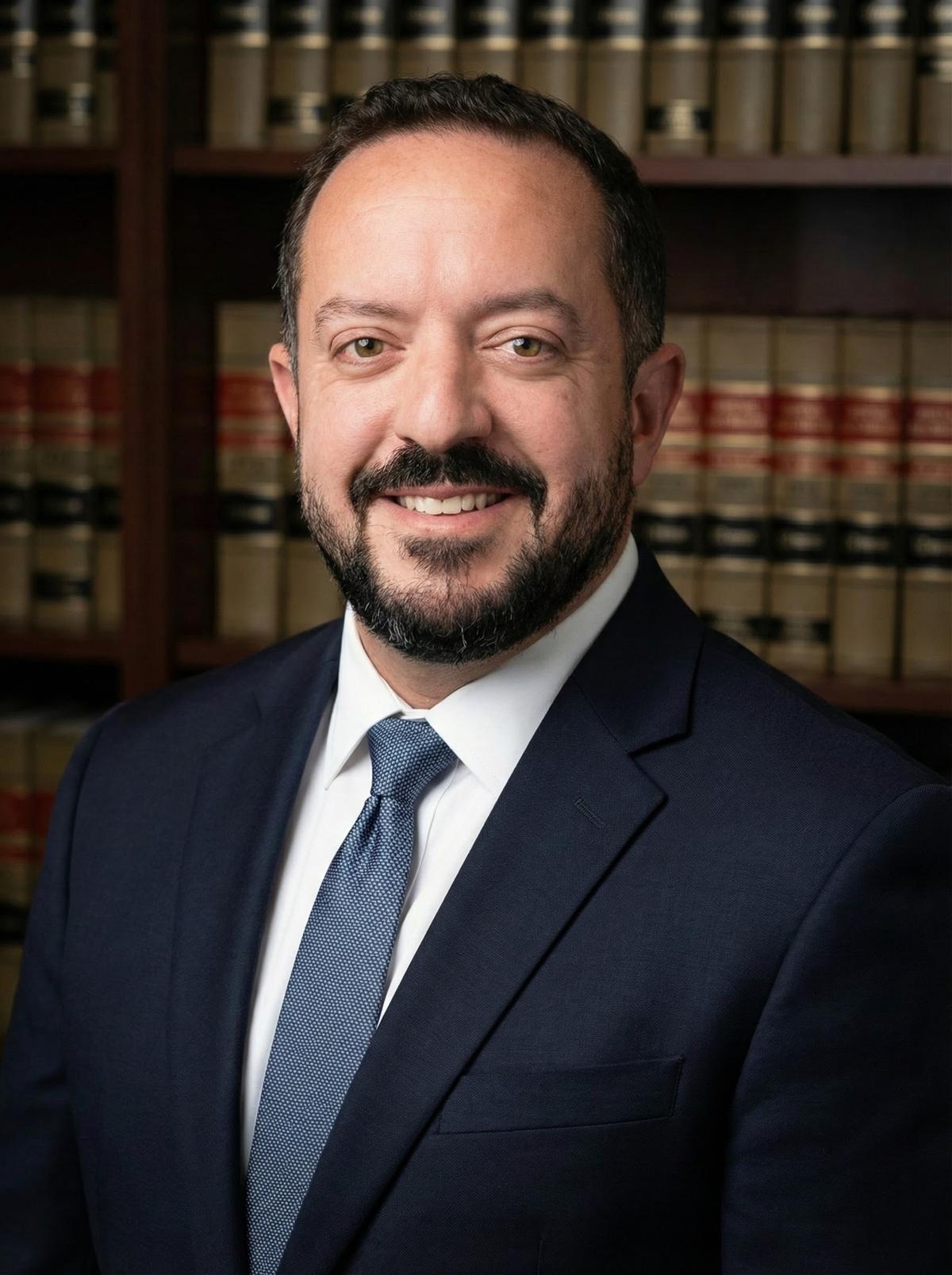
Government defendants often dispute the person’s account, the seriousness of the harm, and whether the law permits recovery. D. Colby Addison tests those defenses against the facts and prepares supported civil-rights claims for litigation when appropriate.
Oklahoma trial lawyer handling civil-rights matters and complex civil litigation.
From the first call forward
The consultation focuses on what happened, how it affected you, and whether the available facts support a path toward accountability.
We work through the sequence, location, police or jail information, witnesses, recordings, reports, medical care, custody details, related charges, and the harm that followed.
We assess whether the conduct may violate your rights, what government defenses may apply, and whether urgent dates or disappearing evidence require immediate action.
If Addison offers representation, we discuss the investigation, the people or organizations that may be responsible, the relief you need, and the work required to seek it.
Straight answers
These answers are a starting point. The right next step depends on what happened, who was involved, and when.
A bad encounter is not automatically a viable civil-rights claim. The reason for the stop or detention, the force used, what each person did, the injuries, available video, related charges, and agency policies may matter. We evaluate the complete sequence rather than one isolated moment.
That is common in the Tahlequah area. Share the exact location and any uniform, badge, vehicle, report, citation, jail, dispatch, or court information you have. Counsel can use those details to distinguish city, county, Tribal, state, federal, and private participants.
It depends on your goals, the government involved, the available facts, and any related criminal or civil proceeding. A complaint can have consequences, but it does not replace legal advice, evidence preservation, or a lawsuit. Consider speaking with counsel before relying on it.
Yes. Body-camera, dashboard, surveillance, phone, jail, and bystander video may be important. Not every system follows the same retention practice. Preserve your original files and identify nearby cameras so a lawyer can evaluate what other material may exist.
Promptly, especially when someone was injured, video may disappear, charges are pending, a statement has been requested, or a written deadline is approaching. Different claims and processes can use different time limits, and a complaint does not necessarily extend them.
Keep exploring
Tahlequah references
These official links offer background on local agencies and courts. They cannot determine whether a particular encounter creates a civil-rights claim.
Civil-rights consultation
If police, detention staff, or another official seriously harmed you, tell us what happened and what you have faced since. We can help you understand whether a legal path remains.