A board needs a defensible path
Leadership needs to know who can approve the action, what must be documented, and whether the proposed resolution or process will hold up after the vote.
Counsel for Tribal governments and organizations
A board vote is approaching. A key agreement has stalled. A project needs a legal path, or a dispute is pulling attention from the mission. Addison helps Tribal governments and organizations turn difficult legal questions into decisions leadership can use.
Addison Law Firm is based in Oklahoma City and advises Tahlequah-area Tribal governments and organizations; it does not maintain a Tahlequah office or claim affiliation with any Tribal government.
For leaders making consequential decisions
Elected officials, executives, board members, in-house teams, and enterprise leaders need advice that reaches the real question: What can we do, what could go wrong, and how do we move without creating a larger problem for the organization?
Problems Addison can help solve
The legal issue usually sits inside an operational problem that leadership already needs to resolve.
Leadership needs to know who can approve the action, what must be documented, and whether the proposed resolution or process will hold up after the vote.
A vendor, developer, lender, government partner, or contractor wants terms the organization cannot accept, and the deal needs a practical route to signature.
A demand, contract failure, enforcement threat, or pending case requires leadership to choose between negotiation, a firm response, and litigation.
An expansion, construction project, procurement, lease, gaming matter, or joint venture cannot move until the authority, approvals, and deal structure are clear.
How Addison helps
The assignment is built around the outcome leadership needs, the time available, and the people who will have to carry the decision out.
We cut through side issues and give leadership a direct explanation of the available choices, material risks, and recommended path.
We draft and negotiate terms that protect the organization while keeping the business relationship and implementation plan in view.
We assess leverage, defenses, exposure, institutional relationships, and litigation cost so the organization can respond from a position of strength.
We help translate the legal answer into board materials, contract language, communications, approvals, and next steps that staff can actually use.
When the matter is already moving
Leadership should not have to assemble a law-school outline. Give counsel the question, the current deal or dispute, and the practical result the organization needs.
Explain what leadership is being asked to approve, reject, negotiate, enforce, defend, or change and when the answer is needed.
Provide the current draft, board material, governing provision, prior approval, demand, or court paper the team is relying on. Counsel can identify what else matters.
Tell us who recommends the action, who has approval power, who will sign, and which staff members will be responsible for carrying it out.
Share the business, governmental, financial, political, and community considerations that a technically correct answer still has to respect.
Tahlequah’s governmental setting
Cherokee Nation identifies Tahlequah as its capital and governmental base. The United Keetoowah Band also maintains separate governmental and judicial institutions in the area. Cherokee County’s Oklahoma court system is distinct from both Tribal court systems.
That proximity creates opportunities for government, enterprise, nonprofit, and business relationships, but the governments are not interchangeable. Effective counsel starts by understanding which organization is acting, who has authority to decide, and what result leadership is trying to achieve.
Cherokee Nation and the United Keetoowah Band are distinct sovereigns. Each government’s structure, law, courts, and enterprises must be approached on its own terms.
A strong agreement or project can still fail if the person signing, board approving, or enterprise acting lacks the required authority. That question belongs at the beginning, not after a dispute.
When a deal or project depends on a particular parcel, land status can affect approvals, financing, regulatory choices, and timing. Early review can prevent avoidable redesign or delay.
Why Addison
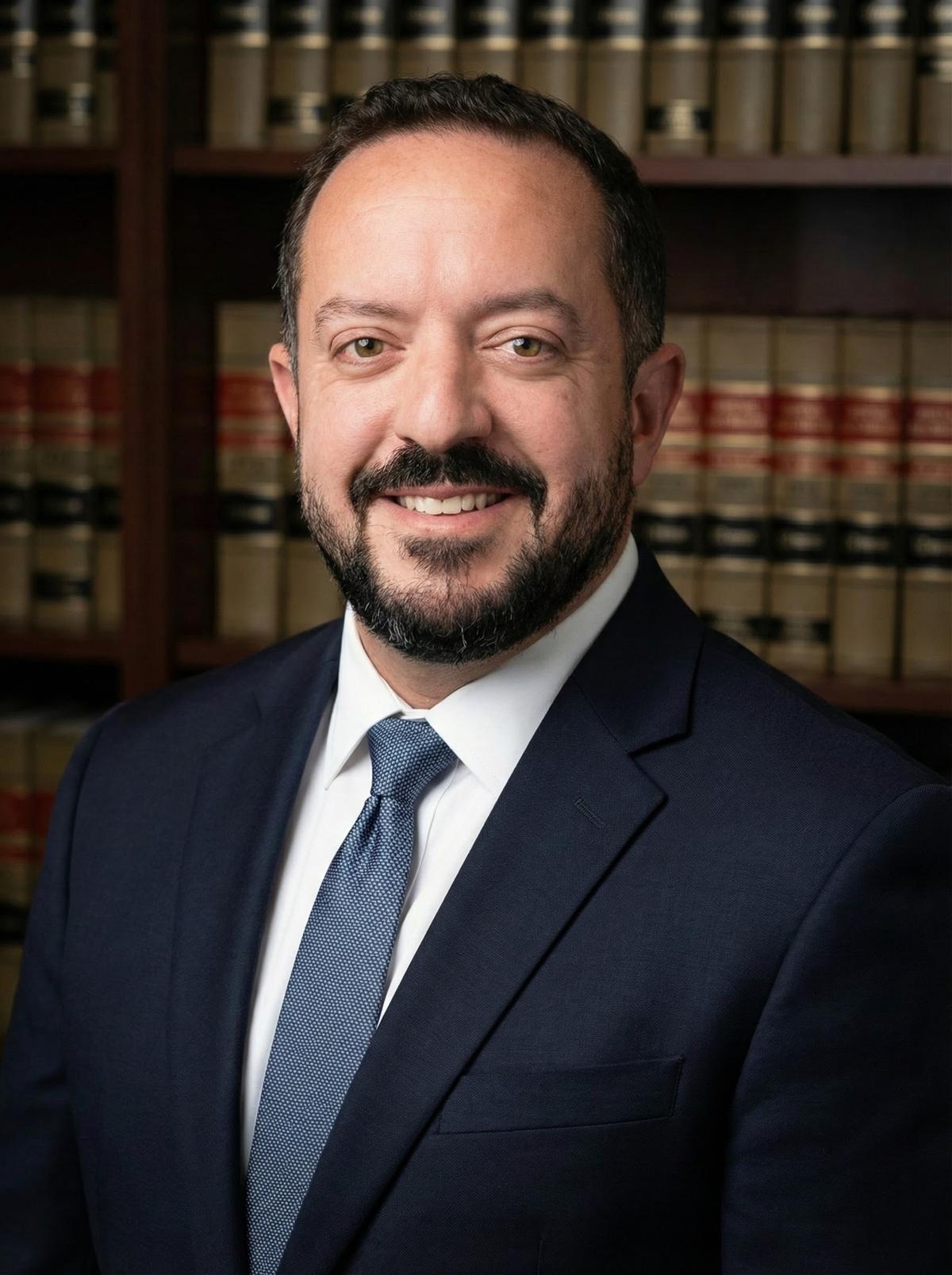
D. Colby Addison brings litigation, business, government, and Tribal-law experience to the same table. He understands that protecting sovereignty also means helping leadership close good agreements, deliver projects, resolve disputes, and preserve the institution’s long-term choices.
Oklahoma lawyer who advises Tribal governments and organizations.
How the work moves
Addison can step into a discrete assignment or support an ongoing matter, including work alongside in-house counsel and the organization’s other advisers.
Leadership explains what needs to happen, why it matters, who must support it, and what timing or relationships could shape the result.
We provide the analysis, drafting, negotiation, or dispute strategy the decision requires without burying leadership in every issue that could be imagined.
We help carry the chosen path through approvals, documents, communications, closing, enforcement, or litigation so the answer does not stop at a memo.
Straight answers
These answers are a starting point. The right next step depends on what happened, who was involved, and when.
Addison evaluates selected matters for Tribal governments, enterprises, boards, authorities, nonprofits, and other organizations. Tell us who has authority to engage counsel, what decision or dispute is involved, and whether a date is approaching. The scope can range from one transaction or dispute to a longer advisory relationship.
Yes. Addison can take a defined role on a negotiation, board question, investigation, project, or dispute while in-house counsel remains the organization’s central legal adviser. The written engagement should make responsibilities, reporting, decision authority, privilege, and communication lines clear from the beginning.
No. Cherokee Nation and the United Keetoowah Band maintain separate judicial institutions, and Cherokee County is part of Oklahoma’s state judiciary. Some disputes may raise a federal question as well. The right court depends on the specific parties, agreement, events, law, and relief requested.
Start with the decision or problem, the current draft or demand, the key governing material, prior approvals, important communications, and a short timeline. Also identify who can authorize the work and what operational result leadership needs. Counsel can narrow any additional request after the first discussion.
Fees depend on the assignment, urgency, complexity, staffing, and whether the work involves advice, drafting, negotiation, investigation, or litigation. If representation is offered, the client, scope, rates or other fee terms, and billing responsibilities are confirmed in a written engagement agreement before work begins.
Keep exploring
Tahlequah references
These links provide official background on the governments, courts, land services, and legal resources discussed above. Addison applies that background to the organization’s actual decision and goals.
Move the matter forward
Whether the organization faces a vote, a stalled agreement, a major project, or a threatened dispute, Addison can help turn the legal problem into an action leadership can defend and execute.