Excessive force
An officer used a firearm, Taser, restraint, strike, vehicle, police dog, or other force that seemed unnecessary or disproportionate to the circumstances.
Civil-rights help for Tulsa
Addison Law Firm evaluates serious Tulsa civil-rights matters involving police force, unlawful detention, jail mistreatment, and other government misconduct. Tell us what happened, which agency was involved, what injuries or losses followed, and whether you have received any notice or deadline.
Addison Law Firm’s office is in Oklahoma City. We serve Tulsa-area clients and do not maintain a Tulsa location.
For people harmed by government misconduct
A frightening police encounter, detention, or jail experience can leave you unsure what was lawful and what to do next. You do not have to name the claim before calling. We begin with your account, the harm you experienced, whether police, deputies, or jail staff were involved, and what you need now.
Civil-rights matters we evaluate
Not every bad encounter creates a civil-rights claim, but these situations may justify prompt legal review when they cause serious harm.
An officer used a firearm, Taser, restraint, strike, vehicle, police dog, or other force that seemed unnecessary or disproportionate to the circumstances.
You were stopped, searched, arrested, or held without an adequate legal basis, or the stated reason does not match what actually occurred.
A person in custody suffered serious harm after warnings, symptoms, medication needs, threats, withdrawal risks, or requests for care were ignored or mishandled.
Police, deputies, jail staff, or other officials may have punished protected speech, targeted someone for an unlawful reason, or used their authority to cause a serious and unjustified loss.
How Addison helps
If your experience may support a claim, we turn a confusing encounter into a clear account of what police or jail staff did, how you were harmed, and who should answer for it.
We work through the sequence of events, what you saw and heard, how police, deputies, or jail staff responded, who witnessed it, and what happened afterward.
Tulsa-area encounters may involve city police, county deputies, jail staff, state or federal officers, or contractors. We separate their roles before evaluating a claim.
Video, dispatch audio, photographs, medical information, witness accounts, reports, jail material, and device data may matter. We identify lawful and timely steps suited to the specific case.
Representation may involve investigation, negotiation, a civil lawsuit, or another strategy. We explain the options, risks, proposed scope, and fee terms before moving forward.
What you can do now
These steps are useful in many serious encounters, but your safety and medical needs come first.
Tell the provider how the injury occurred, describe your symptoms accurately, follow reasonable instructions, and keep discharge papers, prescriptions, referrals, and bills.
Keep photographs, recordings, messages, location information, social-media downloads, and documents in their original form. Avoid editing the only copy.
Record the date, time, place, officer or staff descriptions, agency markings, commands, force used, witnesses, injuries, transport, and later communications while your memory is fresh.
Public posts can lose context and become evidence. Preserve what already exists, but consider obtaining advice before posting detailed accusations or responding to public comments.
Tulsa civil-rights context
Tulsa extends into Tulsa, Osage, Rogers, and Wagoner Counties. The exact location, uniform, vehicle markings, report, or facility name can help show whether city police, county deputies, jail staff, or someone else was involved. You do not have to solve that before calling.
The city name alone does not identify which police department, sheriff’s office, jail, or other organization was involved. Save the exact location and any names, uniforms, vehicle markings, reports, or facility information you have.
Reporting misconduct can matter, but filing a complaint does not automatically save evidence, start a lawsuit, or extend a legal deadline. Do not assume that one report protects every option.
Why Addison
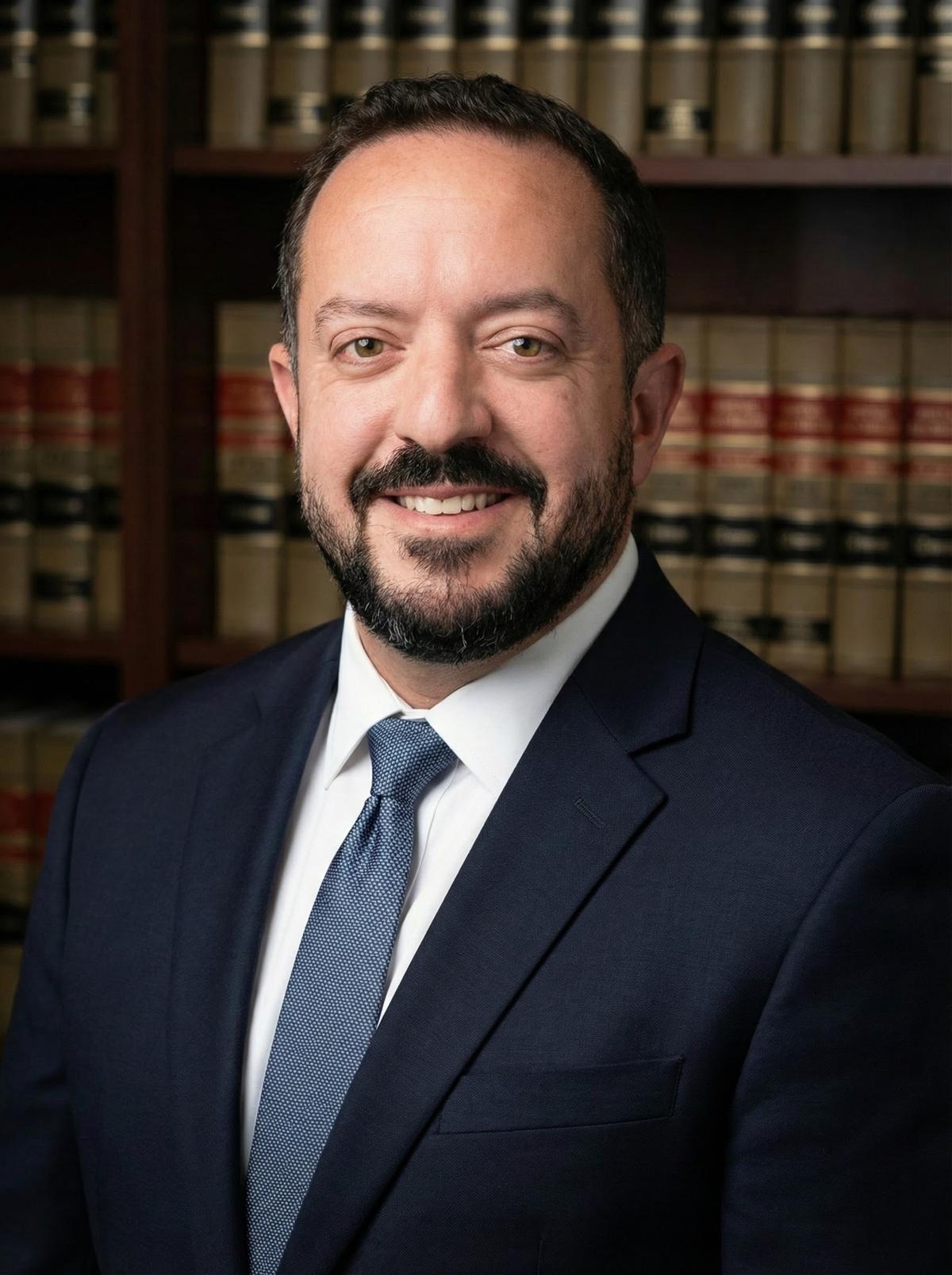
Police departments, sheriff’s offices, jails, and other government defendants rarely accept a person’s account without a fight. D. Colby Addison is an Oklahoma trial lawyer who handles civil-rights and complex litigation. He works to find what confirms the story, confront immunity and policy defenses, and prepare a serious case for federal court when necessary.
Oklahoma trial lawyer handling civil-rights matters and complex litigation.
From the first call forward
The consultation focuses on whether your rights may have been violated and what can still be protected or pursued.
We work through the sequence, location, police or jail information, witnesses, recordings, reports, medical care, custody details, and the harm that followed.
We compare what happened with the rules governing stops, searches, force, detention, medical care, retaliation, and government responsibility while watching for urgent dates or missing evidence.
If Addison takes the case, we discuss the investigation, the people or agencies that may be responsible, the relief you need, and the work required to seek it.
Understanding Section 1983 claims and how federal civil-rights law may apply to government misconduct.
Straight answers
These answers are a starting point. The right next step depends on what happened, who was involved, and when.
A bad or upsetting encounter is not automatically a viable claim. The legal authority for the stop or detention, the force used, the person’s conduct, injuries, available video, agency policies, and other facts may matter. We evaluate the complete sequence rather than one isolated moment.
It depends on your goals, the agency involved, the available facts, and any related criminal, municipal, or civil proceeding. A complaint can create important consequences, but it is not a substitute for legal advice, evidence preservation, or a civil filing. Consider speaking with counsel before relying on it.
The city name does not necessarily identify the agency. Tulsa spans four counties, and encounters can involve city police, county deputies, jail staff, state officers, or others. Save the exact location, report, vehicle markings, badge or name information, facility name, and communications so the responsible organization can be identified.
Promptly, especially when there are injuries, missing video, an upcoming hearing, a requested statement, or a written deadline. Different claims and processes can use different time limits. Do not assume that a complaint or records request extends the time for a civil claim.
The initial consultation is free. If representation is offered, the fee arrangement depends on the claim, the work involved, where the matter stands, and the written agreement. The firm explains the terms before an attorney-client relationship begins.
Keep exploring
Tulsa references
These links support the limited local and agency information above. They do not determine whether a particular event creates a claim.
Confidential civil-rights consultation
If police, deputies, or jail staff seriously harmed you, do not assume that filing a complaint is enough. Speak with a lawyer about preserving the claim and pursuing accountability.