A roadside or street encounter
Mark where contact started and ended. List commands, responses, searches, movements, physical contact, restraints, weapons, witnesses, citations, property exchanges, and the time medical attention became necessary.
Civil-rights review built from the original event
A search, restraint, use of force, detention, denial of care, or retaliatory act can produce several versions of the same day. Addison develops the chronology and the evidence needed for a careful accountability review.
Addison Law Firm's only office is in Oklahoma City. The firm serves Watonga-area clients by phone, video, or arrangement.
For people harmed during an exercise of claimed authority
Do not treat a badge, uniform, vehicle, dispatch call, booking site, or report heading as a complete identity. Record exact words and actions. Preserve details showing employment, assignment, supervision, authority, and later handoffs.
Common starting points for investigation
Local police, County personnel, medical staff, State officers, federal employees, contractors, and private people can appear in one sequence. Their proximity does not make their authority, employer, or responsibility identical.
Mark where contact started and ended. List commands, responses, searches, movements, physical contact, restraints, weapons, witnesses, citations, property exchanges, and the time medical attention became necessary.
Keep booking, property, housing, transport, request, grievance, medication, transfer, and release papers. Record symptoms reported, people notified, answers received, witnesses, and treatment before and after custody.
Create an itemized list with serial numbers, condition, value, and last known possession. Retain inventory sheets, photographs, receipts, court orders, messages, and every response to a return request.
Preserve what you said or recorded, when it was delivered, and who received it. Then document later threats, restrictions, citations, discipline, property action, statements, and changed treatment by date.
Turning a difficult memory into a usable record
The client's first-person account remains central, but it is not the only source. Addison compares it with video, dispatch, assignments, reports, facility data, policies, court files, medical evidence, and witness information.
The timeline covers the lead-up, commands, response, search, force, restraint, transport, custody, medical care, property, charging decisions, release, and later effects. Conflicts stay visible until evidence resolves them.
Badges, uniforms, vehicles, signatures, dispatch details, booking forms, and facility logs provide leads. Employment, duty-roster, contract, and assignment records may show who acted for whom that day.
Possible proof includes phone files, body-worn and vehicle video, radio traffic, dispatch audio, jail or clinic footage, access logs, evidence records, complaints, and nearby private cameras. Each system may have a different retention practice.
Medical care, pain, scarring, sleep, fear, counseling, missed work, property loss, transportation, court obligations, and changed family routines show consequences that an incident report may omit.
Early work that protects the factual record
Safety and treatment come first. After that, keep original files and write a straightforward account. Honest uncertainty is better than filling gaps with a later assumption.
Tell medical providers when symptoms began and what occurred. Save discharge instructions, referrals, prescriptions, diagnostic images, restrictions, and follow-up dates. Keep unedited photographs of visible injury.
Use the words you remember and describe movement, search, restraint, transport, custody, property, care, release, and witnesses. Mark estimates and place later recollections in separate additions.
Retain report headings, case and dispatch numbers, badge and vehicle markings, property receipts, complaint identifiers, court captions, provider forms, witnesses, and original file links.
Watonga encounter records are divided by function
Watonga Police, the City Clerk, and Municipal Court maintain different systems. A police report, citation, City claim, court file, dispatch record, and personnel document may follow separate paths. Preserve the heading and number shown on each item.
The Blaine County Sheriff's Office and County offices are distinct from Watonga City. Transport, booking, court appearances, medical care, or a joint response can involve more than one organization. Note each vehicle, uniform, facility, signature, and handoff without assuming a shared employer.
The Watonga Indian Health Center uses a separate federal health system, and Roman Nose State Park uses State records. A clinic, park, public event, or request for assistance does not identify who directed a response. Save the location, participant markings, report information, and communications showing who made each decision.
Record the road, room, vehicle, cell, clinic, entrance, or property coordinates. Add travel direction, signs, lighting, weather, visible cameras, transport details, and every handoff between participants.
A citation, narrative, radio log, dispatch entry, camera file, property sheet, jail video, complaint, and medical chart are separate items. Obtaining one does not mean the rest were preserved.
Retain the actual complaint or grievance, attachments, delivery method, receipt, interview notices, responses, findings, appeal papers, and later correspondence. A status screen alone may not show the submission.
Track care, symptoms, sleep, work limits, lost pay, damaged property, transportation, household help, fear, and altered routines. Dates and concrete examples are more useful than broad labels.
Close attention to contested facts
Civil-rights matters often involve competing testimony, incomplete video, several public systems, medical questions, and strong defenses. Addison gives accepted clients direct assessments of evidentiary strengths, factual gaps, legal obstacles, cost, timing, and the choices ahead.
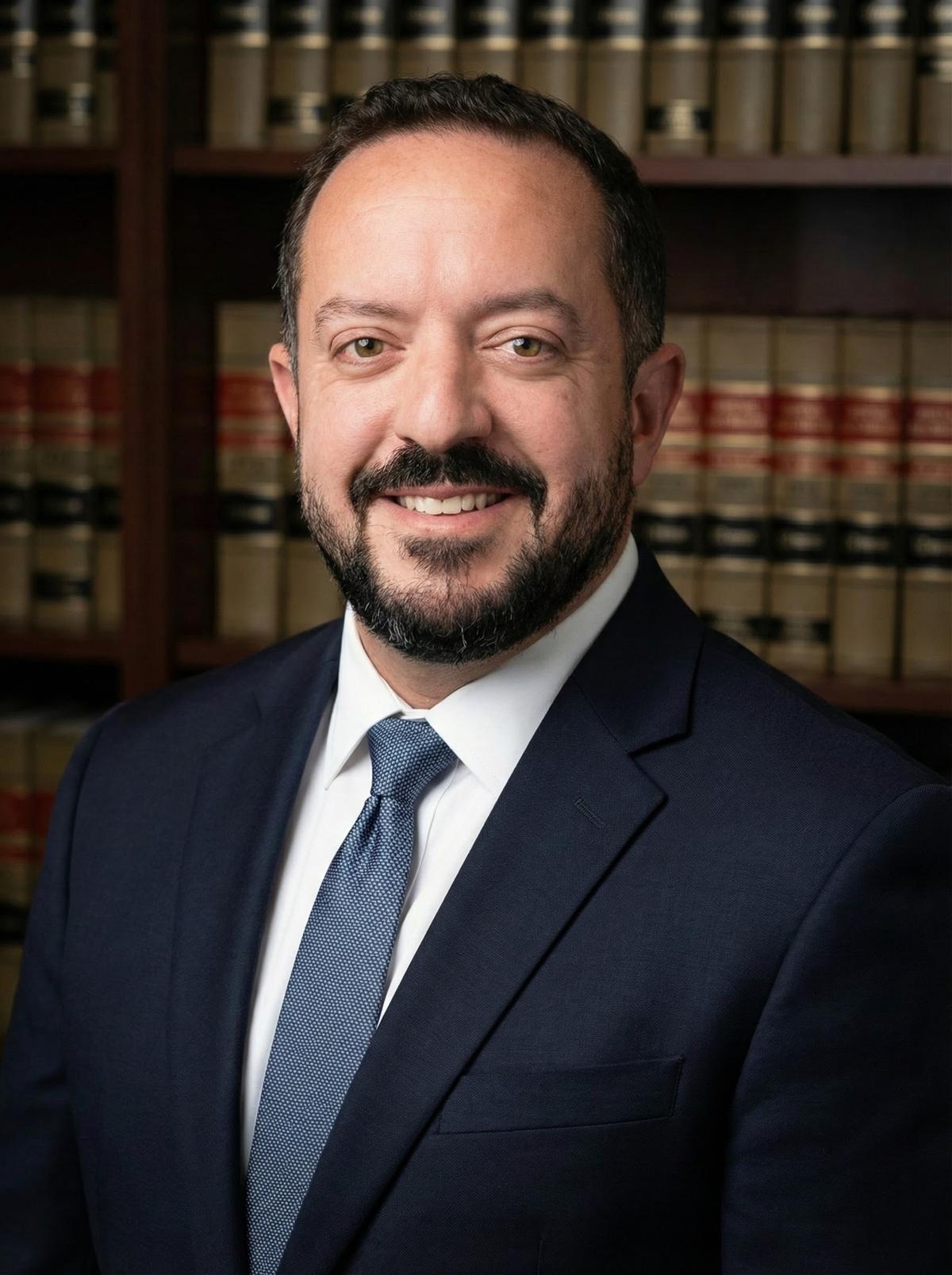
D. Colby Addison represents Oklahoma people in substantial civil-rights matters involving asserted public authority and serious personal consequences.
A record built in layers
The client's account anchors the work. Independent evidence tests and expands it. Medical needs, pending criminal or municipal proceedings, complaint processes, and short-lived recordings must be coordinated without letting one track control the others.
Explain the lead-up, encounter, transport, custody, treatment, property, charging decisions, release, work effects, family effects, and any present safety issue in chronological order.
Badges, vehicle markings, report numbers, dispatch references, property sheets, booking papers, captions, facility details, and private-camera locations direct requests to the correct systems.
Advice reflects the chronology, video, records, medical evidence, verified roles, legal elements, immunities, defenses, available relief, and related proceedings. Representation is offered only through a written engagement.
Straight answers
These answers are a starting point. The right next step depends on what happened, who was involved, and when.
Names, badge numbers, rank, uniform, vehicle, report signature, dispatch number, facility role, employer reference, and exact words may help. Preserve the original photograph, paper, recording, or message supporting each detail.
Do not assume it does. A complaint, open-records request, grievance, evidence request, and preservation notice can reach different departments. Describe each recording, likely system, time range, participant, and location separately.
Preserve original photographs, video, audio, messages, upload links, cloud copies, and available metadata. Save the full conversation around a file, not only a screenshot or edited clip.
Keep complete citations, complaints, bonds, orders, hearing notices, attorney communications, evidence papers, and dates. Tell each lawyer about the other matter before giving a statement or making a decision that could affect both.
No. Parties, claims, notice rules, administrative steps, and related proceedings may affect timing. Keep every dated item and seek prompt advice about the particular facts.
Keep exploring
Watonga and official resources
These links identify public offices, transportation references, and governing texts that may help with background. The useful record still depends on the event, document, person, organization, and date.
Bring the first account and all known identifiers
Share the location, chronology, names, badge or vehicle details, original media, reports, medical care, complaints, open proceedings, and the next scheduled date. Those materials allow a focused first review.