A crash on a highway or local road
Record coordinates, route, direction, lane, controls, weather, vehicle position, impact points, marks, debris, and witnesses. Keep insurance, report numbers, tow records, and unedited wide and close images.
Injury counsel for scene, treatment, and loss
An injury file should explain the event and its effects. Addison helps clients connect scene evidence, medical care, insurance, lost work, expenses, and changes in ordinary life.
Addison Law Firm's only office is in Oklahoma City. The firm serves Watonga-area clients by phone, video, or arrangement.
For injured people and recovery helpers
Seek appropriate treatment and follow medical instructions. When safe, retain the earliest photographs, report details, witness information, damaged items, and location data. These materials anchor a later investigation without interrupting care.
Different scenes require different evidence
A highway wreck, unsafe walkway, park event, clinic incident, worksite injury, and defective product require different proof. Each needs an exact place, truthful chronology, and treatment record.
Record coordinates, route, direction, lane, controls, weather, vehicle position, impact points, marks, debris, and witnesses. Keep insurance, report numbers, tow records, and unedited wide and close images.
Fix the exact entrance, aisle, path, stair, room, parking space, shoreline, or outdoor location. Photograph condition, dimensions, lighting, warnings, cameras, witnesses, employees, and cleanup or repair.
Preserve task, equipment, instructions, jobsite map, activity directors, safety rules, inspection or incident papers, medical response, contractors, and witnesses. Keep employment and project records separate.
Collect emergency and follow-up charts, original imaging, referrals, medication, therapy, restrictions, bills, benefits, and wage proof. Date travel, household help, sleep, mobility, activities, improvement, and setbacks.
Building proof while recovery continues
One timeline explains the event and roles. Another tracks symptoms, care, work, cost, and daily limits. Addison develops both because scene evidence needs a record of the injury's consequence.
Location data, photographs, dimensions, weather, light, warnings, marks, debris, equipment, witnesses, reports, ownership papers, inspections, and camera footage may show event-day conditions.
Link emergency notes, charts, diagnostic images, referrals, medication, therapy, restrictions, symptoms, missed appointments, and future recommendations to provider and date.
Medical bills, benefit explanations, payroll, leave, mileage, property, paid assistance, family help, photographs, and an activity log reveal losses beyond diagnosis codes.
An owner, occupier, maintenance provider, contractor, employer, vehicle owner, manufacturer, insurer, or government body may have a distinct role. Documents and event-date conduct must establish each relationship.
Recovery should not become an evidence hunt
Clients need not obtain every inspection, maintenance, ownership, or contract file. Save scene material and papers in reach. Exact identifiers allow counsel to direct later investigation.
Report onset and symptoms truthfully, follow reasonable restrictions, and keep instructions, charts, images, medication, referrals, and appointments. Note cost, transportation, work, or caregiving barriers.
Retain unedited photographs, video, audio, texts, location data, report numbers, property or vehicle details, witness contacts, tow papers, damaged items, and camera locations. Make working copies instead of editing originals.
List claims, adjusters, calls, letters, statement requests, authorizations, estimates, benefits, bills, offers, lost work, travel, replacement help, and dates. Preserve attachments and spoken requests.
Watonga location details can change the investigation
Official maps show United States Highways 270 and 281, State Highway 33, Watonga streets, County roads, and Roman Nose State Park. Those lines help locate an event but do not establish segment maintenance. Preserve pin, direction, lane, marker, entrance, signs, and conditions.
Watonga offices, County commissioners, State transportation bodies, federal facilities, businesses, owners, contractors, and utilities may keep different inspection, maintenance, project, or complaint material. A responder or report heading does not prove event-day control.
Roman Nose State Park and Watonga Indian Health Center have separate safety, facility, personnel, and administrative records. A park or clinic address does not establish possession, maintenance, supervision, employment, or responsibility. Identify the place, purpose, department, person, contractor, and event document.
Start with wide views of the approach and surroundings. Then record condition, measurements, route or address, direction, lane or path, marker, weather, light, warnings, cameras, and later repair.
Photograph signs, uniforms, equipment, vehicles, permits, work orders, incident forms, receipts, leases, contracts, and insurance. Shared branding does not establish ownership or control.
When reasonable, keep damaged clothing, footwear, protective gear, product, packaging, tool, guard, vehicle component, and receipt. Photograph condition and storage. Record transfers, inspections, repairs, or disposal requests.
Record pain, sleep, movement, concentration, work, household tasks, recreation, medication effects, and help received. Include good days, improvement, setbacks, missed care, and reasons for treatment gaps.
Representation attentive to the person
Addison investigates responsibility while tracking the client's treatment, work, transportation, family duties, and financial pressure. Accepted clients receive candid guidance about proof, disputes, insurance, medical uncertainty, expense, and choices as recovery develops.
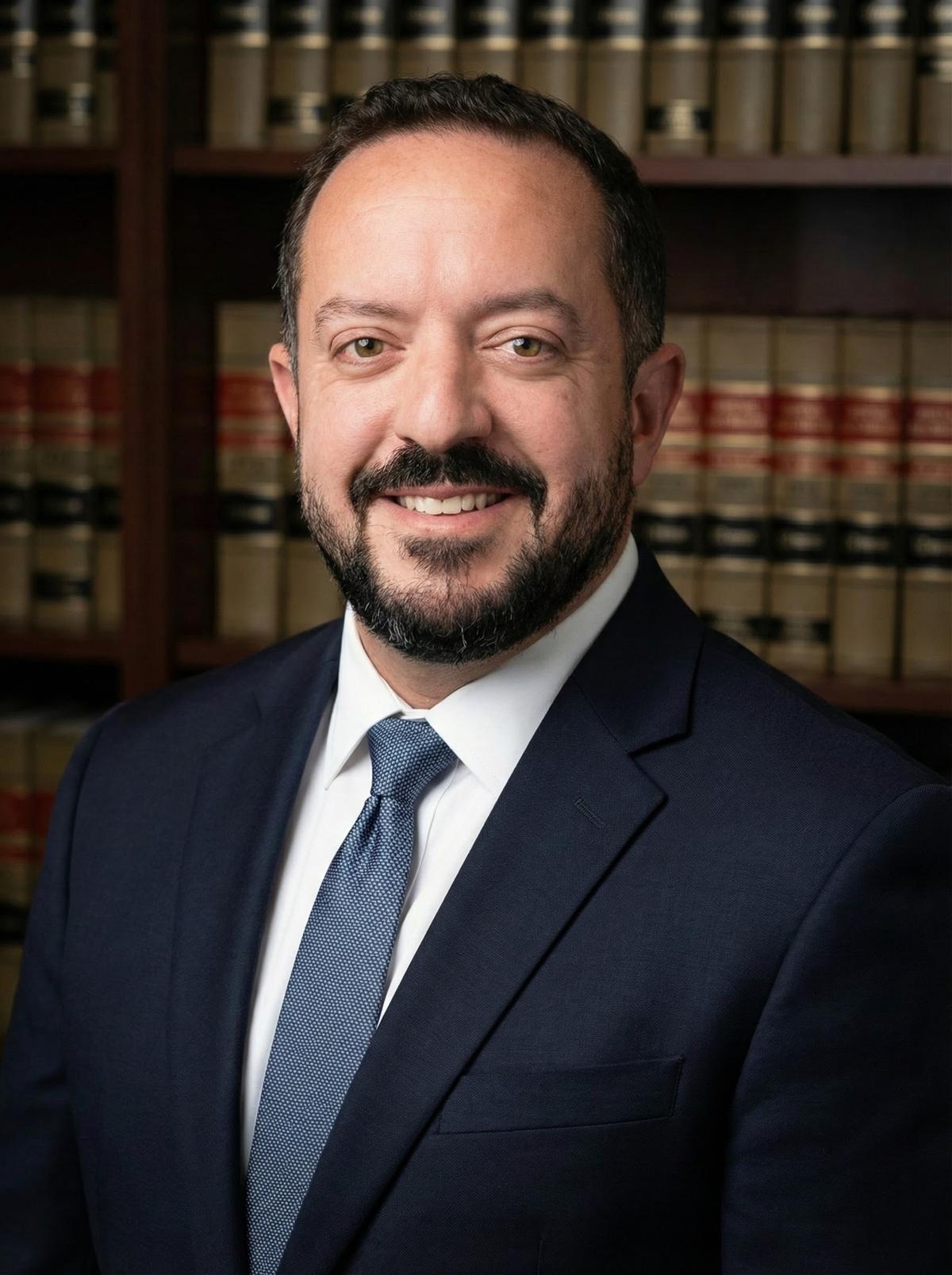
D. Colby Addison represents injured Oklahomans and families in serious collision, premises, worksite, insurance, and wrongful-death disputes.
A scene track and a recovery track
Early location details direct requests for video, inspections, maintenance, ownership, and witnesses. Treatment and loss records show consequences. Major decisions should wait until both tracks support an informed choice.
Provide the location, report or incident document, original media, damaged property, witness information, initial treatment, insurance contact, transportation loss, and immediate household needs.
Addison examines ownership, possession, vehicles, projects, contractors, maintenance, inspections, warnings, reports, insurance, witnesses, medical evidence, causation, and alternatives.
Care, restrictions, prognosis, income loss, expenses, household assistance, benefits, insurer communications, liens, legal requirements, and disputed facts affect timing and strategy. Written engagement terms govern any representation.
Straight answers
These answers are a starting point. The right next step depends on what happened, who was involved, and when.
Capture the complete scene before close details. Include approach, direction, controls, entrances, lighting, warnings, condition, measurements, damaged property, vehicle positions, injuries, and landmarks that help another person understand scale and location.
No. Preserve the exact coordinates, direction, lane, intersection or entrance, signs, conditions, event date, responder, and project clues. Those facts help investigate control without assuming it from the route label.
Not necessarily. Evidence may change while care continues. A lawyer can discuss preservation and insurance communications while the medical course and long-term effects remain uncertain.
Keep charts, original diagnostic images, instructions, referrals, prescriptions, therapy, restrictions, bills, benefits, wage or business records, expenses, and household-assistance information. Add photographs and a dated account of activity changes.
No. Responsibility, medical proof, recovery, lost work, insurance, liens, comparative fault, and damages law all require an individual assessment.
Keep exploring
Watonga and official resources
These links identify public offices, transportation references, and governing texts that may help with background. The useful record still depends on the event, document, person, organization, and date.
Bring early scene and treatment records
Share precise location, unedited media, report details, damaged items, first care, present treatment, insurance papers, income effects, and next important date. That record supports an opening review.