Legal help when facts feel scattered
Watonga Legal HelpBring the event, names, and closest record.
People and organizations reach Addison while several problems move at once. The first conversation identifies the urgent choice, separates dependable facts from assumptions, and sets the next task.
Addison Law Firm's only office is in Oklahoma City. The firm serves Watonga-area clients by phone, video, or arrangement.
Find the closest starting point
Which problem needs attention first?
Choose the subject closest to today's pressure. More than one may apply. Describe the sequence in plain terms. Addison can separate medical, work, government, insurance, business, and family pieces during review.
Help for people and families
These pages cover safety, liberty, health, work, income, transportation, or home life. Each begins with the client's account and available records.
- Personal injuryBuild scene and treatment history after a collision, unsafe property, worksite event, or other serious harm.
- Civil rightsReconstruct an encounter involving force, search, custody, denied care, retaliation, property, or claimed public power.
- Employment lawPrepare for a complaint, leave issue, pay dispute, investigation, discipline, agreement, or possible job loss.
- Truck accidentsProtect vehicle, carrier, trip, road, medical, insurance, and income proof before data changes.
Counsel for authorized leadership
Leaders need advice fitting their authority, commitments, staff capacity, budget, services, and implementation responsibility.
- Tribal government counselEntity-focused advice on governance, personnel, agreements, operations, development, public services, and major disputes.
- Business and nonprofit counselPractical work on governance, ownership, contracts, negotiations, internal conflict, and risks affecting day-to-day operations.
- Employer counselDecision support for policies, accommodations, complaints, investigations, discipline, leadership issues, workforce changes, and separation.
Three sensible first moves
Protect health, proof, and the next step
A polished file is not required. Address immediate safety or operational needs. Then secure one trustworthy record and write a short account while events remain clear.
- 1
Handle immediate needs
Obtain appropriate care, follow restrictions, leave ongoing danger, and protect necessary income or services. A trusted person or authorized colleague can help collect papers when needed.
- 2
Secure the earliest reliable item
Retain the first report, image, message, medical instruction, workplace notice, contract, receipt, or recording. Keep the original format and the delivery context.
- 3
Write a plain dated chronology
Record events in order, the people present, the documents received, and the practical consequences. Mark estimates honestly. Put new recollections in later dated notes.
Watonga records come from different systems
Keep public and private roles distinct
Watonga Administration, City and Municipal Court clerks, Police, Street, and utility departments perform different functions. Blaine County offices maintain other court, land, road, and administrative material. Headings, signatures, file numbers, and delivery history may identify a document's source.
United States Highways 270 and 281, State Highway 33, City streets, County roads, and park roads cross the area. A route name or responder does not prove who maintained a segment. Save coordinates, direction, lane, intersection, entrance, signs, and wide photographs.
Roman Nose State Park and Watonga Indian Health Center involve separate State and federal systems. A visit, treatment relationship, or shared response does not settle employment, control, authority, or responsibility. Identify the place, person, department, and relationship shown by original records.
Local considerations that can change the next move
Keep the document together
Save every page, attachment, signature, file number, envelope, portal notice, and delivery email. The issuing office and parties may matter more than the address.
Pin the actual place
Retain coordinates or original location data. Add direction, lane or path, the closest intersection or entrance, visible markers, weather, lighting, signs, and camera locations.
Use names shown in reliable records
Copy legal names from payroll papers, contracts, insurance cards, vehicle markings, court captions, deeds, and official letters. Record who signed, spoke, or acted for each organization.
Do not overwrite the first account
Keep original media, messages, downloads, and written notes with dates and metadata. Work from a duplicate. Add later memories separately so the original remains intact.
Advice grounded in the client's actual choices
A legal step should improve the position
A legal option may consume time, money, attention, and relationships. Addison tells accepted clients what the record supports, what remains unknown, and what a step may accomplish. Strategy accounts for recovery, work, family duties, operations, cost, delay, and waiting. Major decisions remain understandable and shared.
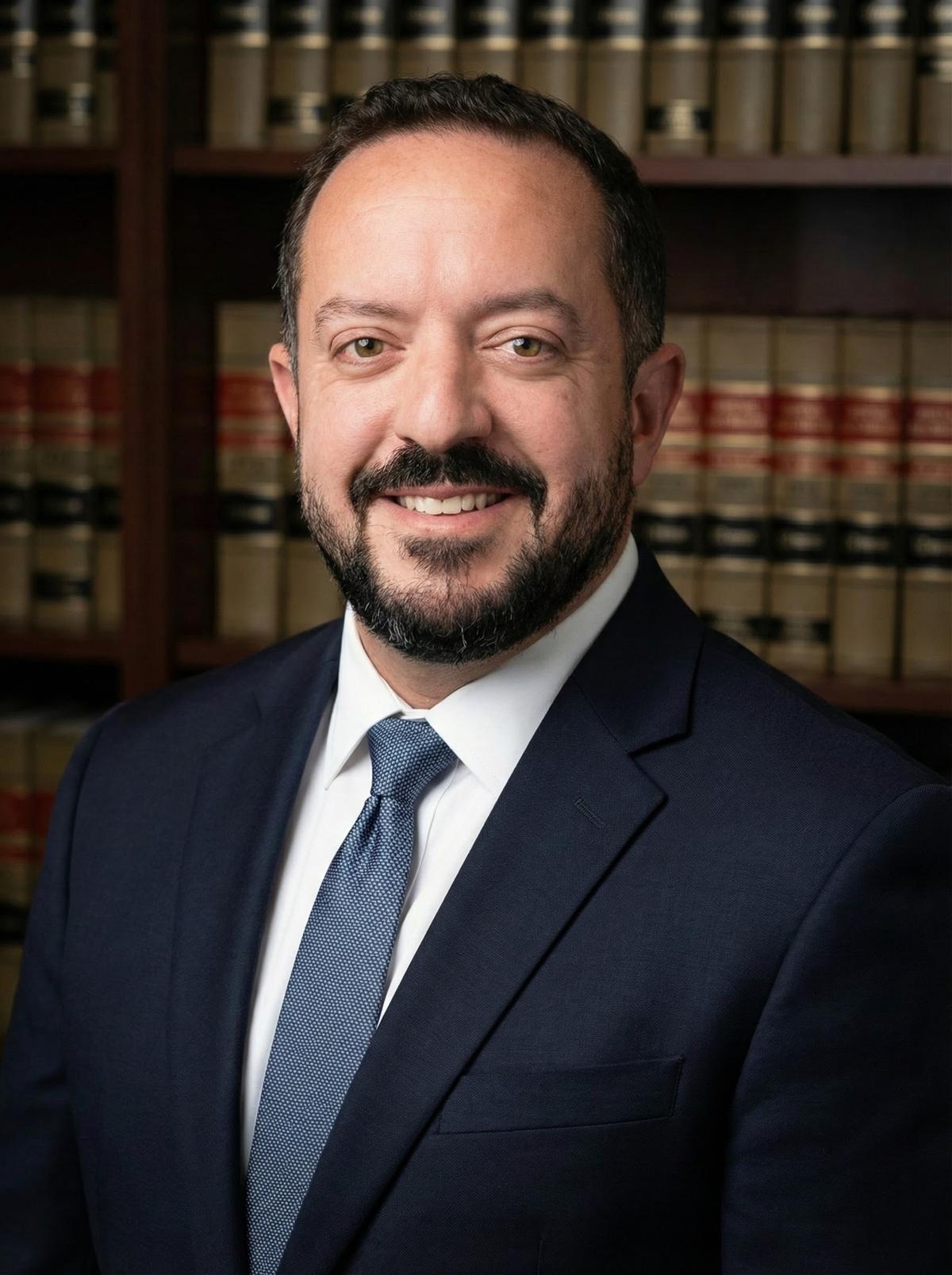
D. Colby Addison represents Oklahoma individuals, families, Tribal governments, businesses, and nonprofit organizations in consequential civil disputes.
A focused opening review
Define today's decision and next investigation
The opening review identifies the urgent issue, best available evidence, and important gaps. It separates present tasks from later work. Any representation is defined by a written engagement covering scope, communication, fees, and responsibilities.
- Step 1
Name the decision that cannot wait
Explain the injury, workplace choice, government step, financial risk, family disruption, or leadership issue creating pressure. Include the notice, meeting, or deadline driving the timing.
- Step 2
Match participants to dependable proof
Link each person or entity to signatures, report headings, captions, payroll records, maps, agreements, insurance papers, photographs, or correspondence. Flag relationships that are still uncertain.
- Step 3
Assign a concrete next task
The next move may be medical, evidentiary, workplace, contractual, administrative, or legal. Identify who will act, what item is needed, and when the task should be completed.
Straight answers
Questions people ask about legal help in Watonga
These answers are a starting point. The right next step depends on what happened, who was involved, and when.
What if I do not know which local office made the record?
No. Provide the complete document, visible heading, report or file number, signature, precise location, and communication history. Those details may help identify the likely City, County, court, State, federal, organizational, or private source.
Does the Watonga address identify the right court or process?
No. The parties, conduct, property, governing documents, service, and procedural history may point to different courts or processes. Geography matters, but it does not answer every legal question by itself.
What is enough for an initial conversation?
Start with one reliable original, a dated chronology, names already known, the precise place, and the next meeting or response date. A focused records plan can follow.
Can one review cover several connected problems?
Yes. Explain the entire event and identify every treatment issue, claim, work decision, agreement, court paper, benefit, bill, and household effect. The opening review can keep common facts together while separating different deadlines, records, decision-makers, and possible forms of help.
How can I work with an Oklahoma City firm from Watonga?
An initial discussion can happen by telephone or video. When Addison accepts a matter, the written plan explains document exchange, signatures, communication, investigation, meetings, and any travel that the work requires.
Keep exploring
Related legal guidance
- Watonga civil rightsOrganize actions, authority, media files, reports, injury, and the later order after a serious public encounter.
- Watonga employment lawBuild a job timeline around pay records, policies, communications, decision-makers, and the next required response.
- Watonga personal injuryConnect the event location to treatment, insurance, expenses, income loss, and the practical course of recovery.
Watonga and official resources
Records and legal materials to begin with
These links identify public offices, transportation references, and governing texts that may help with background. The useful record still depends on the event, document, person, organization, and date.
Review the cited resources
- City Clerk and Municipal Court ClerkCity of Watonga
- Open Records RequestCity of Watonga
- County ClerkBlaine County
- Court ClerkBlaine County
- Blaine County Highway MapOklahoma Department of Transportation
Start with the immediate pressure
What happened, and which date matters now?
Share the event, practical consequence, known names, exact place, strongest record, and next meeting or deadline. The first review can turn those facts into a defined task.