A stop, search, or force
Record where contact began, commands, your response, who moved or touched you, any weapon or restraint, and when the encounter ended. Keep citations, release papers, original media, and witness contacts.
Weatherford civil-rights help after force, detention, or retaliation
A badge, uniform, vehicle, facility, or report heading may identify only part of a Weatherford encounter. Addison begins with direct observations, then follows the people, authority, records, injuries, and consequences.
Addison Law Firm's only office is in Oklahoma City. The firm serves Weatherford-area clients by phone, video, or arrangement.
For clients seeking careful accountability review
A uniform, badge, vehicle, report heading, shared dispatch, or facility may not tell the complete story. Record each participant's conduct and details that may establish employment, assignment, authority, supervision, and resulting records.
Events requiring careful reconstruction
A Weatherford location, shared response, clinic, badge, or booking site does not explain each participant's role. Describe words, movement, restraint, injury, property, treatment, and aftermath before assigning responsibility.
Record where contact began, commands, your response, who moved or touched you, any weapon or restraint, and when the encounter ended. Keep citations, release papers, original media, and witness contacts.
Preserve booking and release papers, requests, grievances, medication information, reported symptoms, staff responses, transfers, witnesses, and treatment before and after confinement.
List each item, identifier, condition, value, and last known location. Keep photographs, purchase records, inventories, messages, court papers, and requests for return.
Save the complaint or recording, delivery proof, recipients, later statements, citations, restrictions, discipline, threats, and dates. Separate direct observations from another person's report.
Civil-rights work grounded in records
Addison can organize chronology, distinguish participants and organizations, identify evidence at risk, and test facts against current law. Review accounts for medical needs, financial effects, and the client's goal.
Compare the client's memory with recordings, dispatch references, timestamps, reports, citations, photographs, location data, witnesses, booking material, treatment records, and later messages. Keep conflicts visible.
Use names, badges, ranks, uniforms, vehicle markings, assignments, signatures, employer references, contracts, policies, and facility roles. Cooperation does not make organizations' authority, training, or responsibility identical.
Identify body-camera, dash-camera, dispatch, radio, surveillance, phone, booking, transport, medical, property, complaint, and internal-review material. Specific descriptions, dates, participants, and file numbers improve preservation.
Current research may address conduct, personal participation, organizational policy, causation, defenses, notice, timing, damages, and available court or administrative process. No local label resolves those issues.
Early work protecting the account
Safety and medical needs come first. Then save original material and make a straightforward event record. Do not guess to make the account sound complete.
Tell medical providers when symptoms began and what occurred. Keep discharge papers, referrals, prescriptions, diagnostic images, restrictions, and follow-up dates. Save unedited photographs of visible injuries.
Record setting, words, movement, contact, restraints, searches, property, witnesses, symptoms, requested help, and later events. Separate memory from another person's report.
Preserve complete videos, photographs, messages, call records, location data, posts, and available metadata in a second location you control. Do not edit or recompress the only copy.
Retain each grievance, complaint, claim, or request with attachments, delivery proof, receipts, interview notices, responses, findings, appeals, and correspondence. A portal status alone is incomplete.
Weatherford encounters create records across systems
Weatherford Police, the Custer County Sheriff, university safety personnel, State officers, contractors, providers, and private security perform different work. A badge, shared dispatch, campus setting, vehicle, or booking location does not establish employment or authority. Preserve names, numbers, report headings, roles, and conduct.
City records, police material, County sheriff records, State District Court papers, university systems, medical charts, and private cameras may follow different practices. Describe each item by creator, time range, identifier, and original format.
Custer County is assigned to Oklahoma's Western federal judicial district, but geography creates no federal claim. Conduct, asserted authority, injury, remedy, and related proceedings require separate current analysis.
Record badges, names, ranks, uniforms, vehicle units, plates, report numbers, radio references, facilities, shifts, and exact words. When lawful, photograph each identifier.
Keep original video, audio, photographs, messages, cloud links, upload notices, and metadata. Save conversation and delivery context, not only an edited clip or screenshot.
Collect ambulance, hospital, imaging, pharmacy, follow-up, therapy, and specialist records with bills and restrictions. Add dated photographs and factual symptoms without rewriting entries.
A report request, complaint, grievance, evidence request, preservation notice, citation case, and civil action may have different recipients. Keep each submission, receipt, response, and date.
Civil-rights litigation requires careful judgment
Addison tests the client's account against original material and current law, then gives direct advice about proof, uncertainty, procedure, cost, and practical consequences.
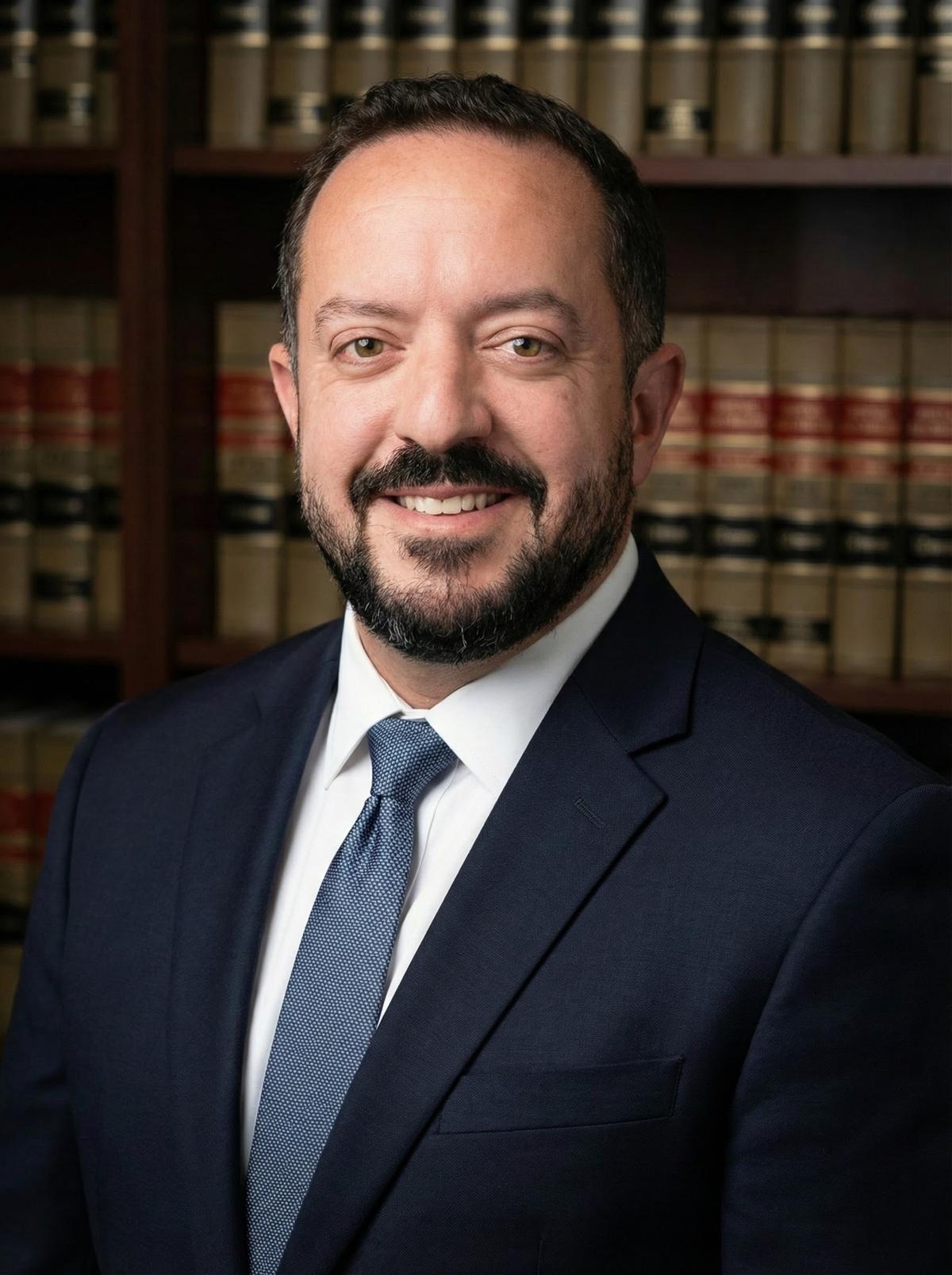
D. Colby Addison represents people in serious Oklahoma civil-rights and government-accountability matters when the facts and law support an accepted engagement.
From personal account to defensible plan
Investigation should preserve the client's memory while seeking independent confirmation. Medical recovery, open proceedings, changing injuries, and short-lived recordings may need simultaneous attention.
Share what happened before, during, and after the encounter. Include custody, care, property, court dates, employment effects, family effects, prior reports, and any present safety concern.
Badges, vehicle marks, report and dispatch numbers, and booking papers can identify useful records. Court captions, facility details, medical locations, and nearby cameras can point elsewhere.
Addison reviews testimony, recordings, documents, medical evidence, individual roles, governing requirements, defenses, remedies, and pending proceedings together. Any offered representation is confirmed in a written engagement.
Straight answers
These answers are a starting point. The right next step depends on what happened, who was involved, and when.
Names, badge numbers, rank, uniform, vehicle, report signature, dispatch number, facility role, employer reference, and exact words may help. Preserve the original photograph, paper, recording, or message supporting each detail.
Do not assume it does. A complaint, open-records request, grievance, evidence request, and preservation notice can reach different departments. Describe each recording, likely system, time range, participant, and location separately.
Preserve original photographs, video, audio, messages, upload links, cloud copies, and available metadata. Save the full conversation around a file, not only a screenshot or edited clip.
Keep complete citations, complaints, bonds, orders, hearing notices, attorney communications, evidence papers, and dates. Tell each lawyer about the other matter before giving a statement or making a decision that could affect both.
That depends. Parties, claims, notice rules, administrative steps, and related proceedings may affect timing. Keep every dated item and seek prompt advice about the particular facts.
Keep exploring
Weatherford and official resources
These links identify particular offices, maps, public systems, or governing texts. The useful record still depends on the event, legal name, location, document, and date.
Bring the first account and original media
Share the exact location, sequence, visible identifiers, complete recordings, report or case numbers, property information, medical care, complaint history, related proceedings, and the next date shown.