Governance and institutional authority
Leadership may need to reconcile governing text, a delegation, appointment, ethics requirement, or earlier action. Counsel reads the materials together and identifies the approvals needed.
Counsel for Tribal institutions
Addison advises Tribal governments and Tribal entities on governance, personnel, agreements, development, services, and significant disputes. A Woodward connection does not determine a Nation, parcel, participant, immunity question, court, or governing law.
Addison Law Firm's only office is in Oklahoma City. The firm serves Woodward-area clients by phone, video, or arrangement.
For authorized leaders, boards, and administrators
A vote, contract, or personnel action may affect programs, employees, finances, relationships, and later administrations. Addison helps leadership verify authority, compare options, create a dependable record, and implement the decision.
Legal work for sovereign institutions
Addison serves Tribal governments and Tribal entities whose decisions affect public services, employees, economic activity, relationships, and sovereign interests. The engagement begins by identifying the client, lawful instructions, and objective. Woodward geography establishes none of them.
Leadership may need to reconcile governing text, a delegation, appointment, ethics requirement, or earlier action. Counsel reads the materials together and identifies the approvals needed.
A personnel issue may affect authority, policy, continuity, fairness, confidentiality duties, and operations. Addison helps authorized officials gather reliable facts, compare lawful options, and document the decision.
Development work requires correct parties, approvals, payment and performance terms, remedies, sovereign protections, and responsible administrators. Drafting should address delivery, reporting, disputes, and who manages performance.
High-stakes disputes may require analysis of entity status, land, governing law, immunity, consent, service, prior proceedings, tribunal authority, relief, and implementation. Woodward geography does not select a sovereign or forum.
How Addison supports the institutional client
Addison organizes the governing record, tests operational facts, prepares consistent instruments, and helps leadership assign performance and oversight. The final work should be usable by the officials and employees carrying it out.
The review starts with the exact government or entity, authorized body or official, delegations, appointments, ownership, policies, minutes, and existing counsel. That record controls who may instruct and approve.
Each option is measured against governing text, prior action, budget, staffing, services, counterparties, timing, remedies, sovereign interests, and implementation. Leadership receives the tradeoffs plainly.
Resolutions, contracts, policies, notices, minutes, signatures, and exhibits should use consistent legal names, authority, dates, approvals, terms, and responsible offices.
Before acting, leadership should know who communicates, performs, keeps records, monitors compliance, escalates problems, and reports results. The record should make those assignments clear.
Before a vote, signature, personnel action, or filing
Leadership can begin with the desired action and responsible officials. Keep competing drafts, unresolved facts, budget effects, and implementation concerns visible.
State the exact government or entity, responsible body or office, delegated officials, existing counsel, affected operations, coordinator, and authority for the request.
Bring the relevant constitution or charter, code, resolutions, delegations, appointments, policies, minutes, ownership, contract, correspondence, notice, and complete court or agency file.
Describe the service, workforce, development, governance, financial, litigation, or relationship outcome sought. Note available staff, budget, counterparties, obligations, timing, and expected administrator.
Woodward geography does not decide Tribal legal issues
A Woodward address, Woodward County reference, federal clinic, workplace, family connection, or Tribal name does not establish Indian country, citizenship, land status, entity status, authority, jurisdiction, immunity, consent, exhaustion, or the proper court.
Start with exact legal names, coordinates or legal descriptions, deeds and trust material, charters, ownership records, citizenship evidence when relevant, codes, resolutions, agreements, waivers, licenses, employment papers, and complete court files. Obtain each item from the institution that created it.
Woodward City, Woodward County, state offices, federal agencies, Tribal governments, Tribal entities, employers, contractors, and private parties remain distinct. A cooperative program or nearby facility does not merge authority, records, responsibility, or legal status.
Identify the Tribal government or Tribal entity, affected department or enterprise, responsible body, and official titles. A program name, shortened name, or nearby facility may describe something different.
Preserve coordinates and legal descriptions along with deeds, trust material, title records, leases, and event-date ownership papers. A Woodward mailing address does not establish the character of land.
Retain each circulated draft, notice, agenda, amendment, resolution, vote, minute, approval, signature page, exhibit, delivery record, and later instruction. Dates and versions should remain visible.
Record the body or official that retained counsel, the source of that authority, who may communicate instructions, and who can approve a decision. Physical proximity supplies none of those answers.
Counsel accountable to the sovereign client
Addison gives authorized Tribal leaders direct advice on governing power, workforce, development, public services, and continuity. The work follows the client's own law, resources, relationships, and sovereign interests. Drafts support adoption and administration so later officials can understand what was authorized and why.
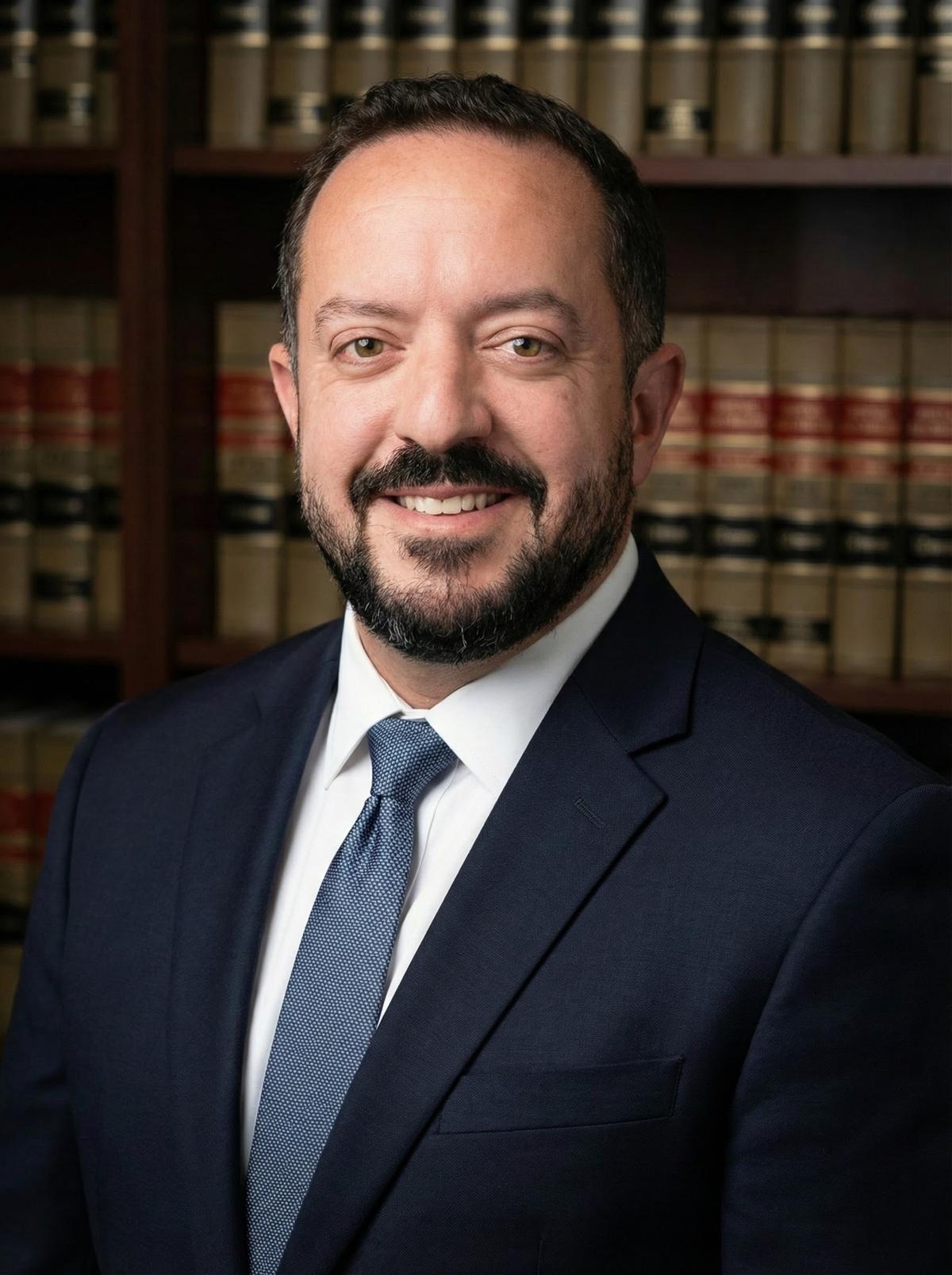
D. Colby Addison advises Tribal governments and Tribal entities on governance, employment, commercial, regulatory, and litigation matters.
Legal advice built for institutional use
The work begins by confirming the client, instructions, governing materials, objective, and operating conditions. Advice becomes the resolutions, agreements, policies, minutes, assignments, and practices the institution will use.
Read constitutional or charter provisions with code, delegations, appointments, ownership, prior resolutions, current policy, and authorized instructions.
The comparison addresses legal support, uncertainty, expense, staffing, service effects, sovereign interests, counterparty response, enforcement tools, and administration. Decision-makers can connect doctrine to consequences.
Final materials should show correct names, authority, approval, dates, signatures, duties, remedies, communication, recordkeeping, monitoring, and a practical amendment path.
Straight answers
These answers are a starting point. The right next step depends on what happened, who was involved, and when.
No. Review the land, parties, entity status, relevant citizenship facts, governing instruments, contracts, procedural history, and current authority. Geography selects neither a Nation nor a court.
Provide the constitution or charter, code, resolutions, delegations, appointments, ownership, policies, minutes, agreements, notices, court papers, and leadership's objective.
Yes. Addison advises Tribal governments and Tribal entities on authority, policy, complaints, investigations, leave, discipline, separation, documentation, and implementation within the scope of an accepted engagement.
No. Analyze the exact parties, entity status, ownership, governing law, charter provisions, agreements, waivers, resolutions, conduct, and current authority. A name alone resolves nothing.
Clear authority, legal names, consistent documents, assigned duties, realistic resources, planned communication, reliable records, monitoring, and a defined amendment path help.
Keep exploring
Woodward and official resources
These links give background on the offices, records, roads, and legal materials above. They cannot answer a legal question without the complete facts.
Share the authority and the institutional objective
Share the specific client, authorized officials, governing papers, parties, present drafts, operational constraints, and the action now under consideration.