Force during a stop, arrest, or welfare check
Commands, movement, medical findings, video, witnesses, and timing help test whether force matched the circumstances.
Civil-rights help for Broken Arrow
Addison evaluates serious harm involving force, arrest, detention, searches, retaliation, and treatment in custody. The client does not need to name the legal claim. The work begins with safety, a faithful account of the encounter, and the real injuries that followed.
Addison Law Firm's only office is in Oklahoma City. The firm serves Broken Arrow-area clients and can meet by phone, video, or arrangement.
For people and families
Fear, humiliation, medical harm, lost freedom, missed work, charges, property loss, and damaged trust can continue after the scene ends. Addison starts with those consequences and then examines what each person did and why.
Civil-rights matters the firm evaluates
A bad experience does not automatically establish a legal violation. A responsible review reconstructs the conduct, authority claimed, information available at the time, injury, and reliable proof without assuming either side's conclusion.
Commands, movement, medical findings, video, witnesses, and timing help test whether force matched the circumstances.
Reports, court papers, recordings, and the stated basis help test decisions affecting freedom, privacy, property, work, or reputation.
Timing, the communication history, and stated reasons help test retaliation after speech, recording, reporting, or public participation.
Intake, observation, medication, requests for help, staffing, transport, and provider records may clarify denied care or unsafe custody conditions.
How Addison approaches the case
Addison separates the people and organizations involved, preserves recordings and documents, tests the governing law, and connects the encounter to medical, financial, and personal harm. Difficult defenses are considered from the beginning.
Addison compares the client's account with dispatch, reports, video, witnesses, medical records, booking material, and later explanations without hiding uncertainty.
Addison examines personal participation, supervision, employment, policy, training, contracting, and roles played by security or medical providers.
Addison tests the facts, claimed right, causation, injury, and remedy against current law, objective evidence, medical proof, and competing explanations.
Treatment, lost wages, damaged relationships, fear, humiliation, and reduced independence should connect to records, testimony, witnesses, and concrete experience.
After a recent encounter
The strongest early response is often quiet and factual. Address safety, save original information, and avoid public commentary that can expose private details or replace a careful account.
Request appropriate medical help and follow treatment instructions. Photograph injuries as they develop and keep discharge papers, prescriptions, referrals, restrictions, bills, and appointment information. Record emotional or sleep changes honestly.
Preserve phone video, photographs, texts, social messages, location information, call logs, cloud files, and witness contacts. Make working copies before sharing or annotating anything, and do not overwrite the only original.
Record the place, sequence, words, commands, movement, restraints, injuries, property taken, transport, booking, release, and papers received. Separate your own observations from what another person later told you.
A Broken Arrow-area encounter
Broken Arrow extends into Tulsa and Wagoner Counties. An encounter may involve city personnel, a county body, another government, a school, transit personnel, a contractor, a provider, or private security. The exact address, badges, vehicles, report heading, and court papers help distinguish those roles.
Bring every page you received and describe what each person did and how it affected you. Addison will identify the organizations involved and decide which recordings, reports, medical files, or complaint materials need prompt attention.
Broken Arrow publishes separate paths for police records and general city requests. County, court, provider, transit, contractor, and private-camera material may sit elsewhere. One request or complaint should not be treated as a complete evidence file.
A first page may omit supplemental narratives, signatures, attachments, camera references, service information, or another organization. Preserve envelopes, portal notices, submission receipts, and every date. Those details can explain what happened next.
Seek appropriate care and state symptoms accurately. Keep emergency instructions, photographs, imaging, referrals, medication, counseling, restrictions, bills, wage effects, and reasons for any gap. Physical and emotional harm both require credible support.
Why Addison
Addison prepares serious public-power cases for contested facts, legal defenses, and close review. Clients receive direct advice about strengths, difficult evidence, medical proof, damages, and whether the available law addresses the harm they experienced.
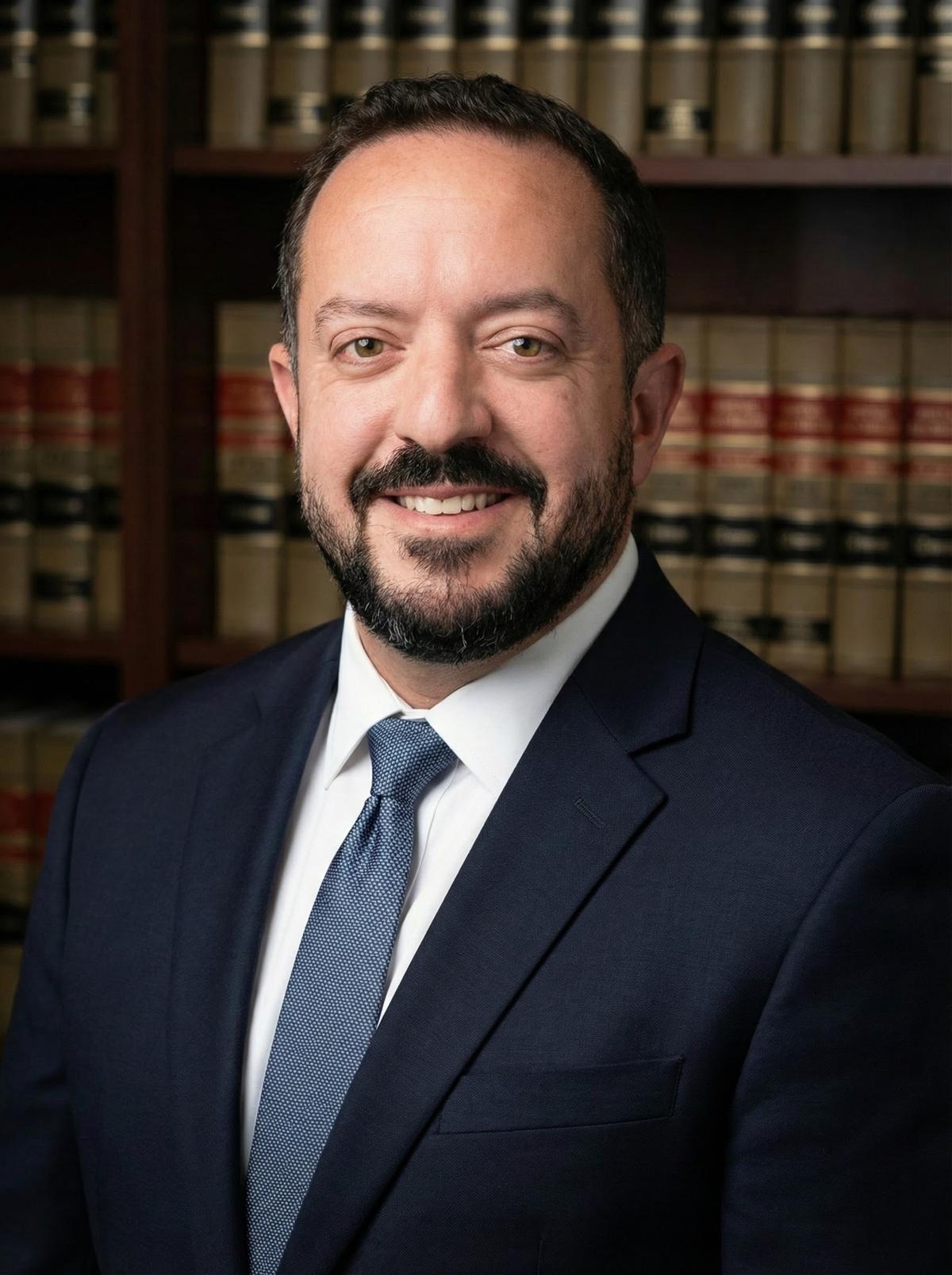
D. Colby Addison is an Oklahoma trial lawyer representing people in civil-rights matters involving force, detention, search, retaliation, unsafe custody, and substantial personal loss.
What follows an inquiry
Addison begins with what happened and what it cost the person. The firm then checks the people, organizations, available proof, defenses, and current law before recommending a direction.
Share the location, sequence, conduct, injuries, treatment, charges, work impact, original media, witnesses, and papers received. You do not need to select a statute or defendant before the conversation.
The firm identifies the people and organizations, checks timing, preserves likely evidence, reviews medical causation, and examines current legal protections and obstacles. Helpful and harmful facts receive the same attention.
Addison explains what information is missing, what immediate step may be useful, and whether representation may be offered. Any accepted scope, fee arrangement, and client responsibilities are confirmed in writing.
Straight answers
These answers are a starting point. The right next step depends on what happened, who was involved, and when.
No. The conduct, authority, right involved, information known at the time, personal participation, causation, injury, defenses, and remedy all require analysis. Title 42, United States Code, § 1983 supplies a framework for qualifying state action, but an allegation alone does not establish liability.
Broken Arrow includes parts of Tulsa and Wagoner Counties. The address can help identify personnel, records, courts, and medical systems. It does not decide whether a violation occurred. Preserve the map pin, property, report heading, badges, vehicles, and agency names.
Do not assume so. A complaint, grievance, records request, preservation demand, administrative process, and lawsuit serve different purposes. Keep submission proof and received dates, then obtain advice about the steps and timing that apply to the actual facts.
Keep original media and messages, full reports and citations, booking and release papers, complaint receipts, medical records, wage and expense proof, witness contacts, and a dated account. Do not crop, annotate, or overwrite the only copy.
Preserve the report exactly as received and separately record what you believe is missing or wrong. Save supporting video, photographs, witnesses, messages, medical records, and later documents. A discrepancy should be investigated, not quietly edited into a new version.
Keep exploring
Broken Arrow resources
These links provide background on the public services, roads, and legal materials discussed above. They do not decide what happened in a particular matter or replace advice based on the complete facts.
Begin with what happened
Share the exact location, original media, complete papers, medical status, and next important date. Addison can assess the strongest next step without asking you to label the case.