Practical counsel for a difficult decision
El Reno Legal HelpStart with what changed and the supporting record.
Addison assists individuals, families, businesses, nonprofits, and Tribal entities with serious civil problems. An opening discussion focuses on immediate pressure, reliable records, and the next important date.
Addison Law Firm's only office is in Oklahoma City. The firm serves El Reno-area clients by phone, video, or arrangement.
Begin with the immediate concern
What needs a clear next step?
Choose the closest page; more than one may apply. The first discussion can connect medical, workplace, government, financial, and organizational issues. Use ordinary language and bring records showing what changed.
For individuals and families
These paths begin with personal loss or disruption. Describe events in everyday language while Addison examines possible responsibility, available proof, and decisions ahead.
- Personal injuryGuidance when a collision, unsafe condition, industrial event, exposure concern, or other injury changes health, income, mobility, or family life.
- Civil rightsCareful review after force, search, detention, denied care, retaliation, lost property, or another encounter involving claimed public authority.
- Employment lawAdvice about discrimination, harassment, leave, pay, complaints, workplace inquiries, discipline, proposed separation, or another job decision.
- Truck accidentsHelp preserving carrier, vehicle, trip, road, medical, insurance, and financial evidence after a serious commercial crash.
For governments and organizations
Leadership advice should account for lawful authority, affected people, existing obligations, operating realities, and the resulting record.
- Tribal government counselCounsel for Tribal governments and Tribal entities on governance, personnel, contracts, development, services, sovereign interests, and significant disputes.
- Business and nonprofit counselHelp with ownership or board choices, agreements, internal concerns, negotiations, risk, and disputes affecting operations.
- Employer counselGuidance for complaints, leave, workplace inquiries, policy, discipline, executive issues, separation, and other sensitive personnel matters.
A useful first response
Steady the situation
You do not need a finished file. Start with safety, original records, and a short chronology. Legal analysis can follow once dependable facts are organized.
- 1
Address health and immediate stability
Seek appropriate care, follow restrictions, move away from danger, or protect essential operations. Ask a trusted person or authorized colleague to help preserve documents when needed.
- 2
Save what appeared closest to the event
Keep the first report, photograph, message, medical instruction, work notice, agreement, receipt, or recording. Preserve the unedited version and delivery information.
- 3
Write the sequence in ordinary language
List what happened, who participated, which document followed, and what changed. Add later memories as dated additions instead of rewriting the first account.
El Reno records come from separate systems
Keep each record system distinct
El Reno City Clerk, Municipal Court, Police, and Human Resources perform different functions. Canadian County offices maintain other court, land, road, and administrative records. Headings, signatures, file numbers, and delivery history may identify a document's source.
Interstate 40, its business route, United States Highways 81 and 270, State Highways 3 and 66, City streets, and County roads cross the area. A route name or responder does not establish who maintained a segment. Save coordinates, direction, lane, intersection, entrance, signs, and wide photographs.
Redlands Community College has separate personnel, student-record, accommodation, and campus-safety resources. A campus connection does not establish employment, property, policing, or responsibility. Identify the person, department, location, and relationship shown by original records.
Local considerations that can change the next move
Read the complete paper first
Retain the complete heading, file number, issuing office, parties, signature, exhibits, envelope, portal notice, and email chain. Those details may matter more than the address block.
Save a precise map point
Save coordinates, direction, lane or path, cross street or entrance, markers, lighting, weather, signs, and visible cameras. Do not rely on a recreated pin when an original photograph preserves location data.
Record every legal name
Use pay records, contracts, vehicle markings, insurance cards, captions, deeds, letters, and public records to distinguish similar entity names. Note who signed or spoke for each.
Protect the earliest version
Preserve original photographs, video, audio, correspondence, downloads, and records with dates and metadata. Make a duplicate for notes or sharing and record when and how later copies were created.
Counsel for consequential problems
Advice should work in real life
Addison handles consequential civil disputes affecting households, careers, businesses, and public institutions. Accepted clients receive advice on known facts, missing proof, legal uncertainty, likely expense, and realistic options. Clients remain part of strategic choices, including consequences outside the case. The aim is a decision the client understands and can carry out.
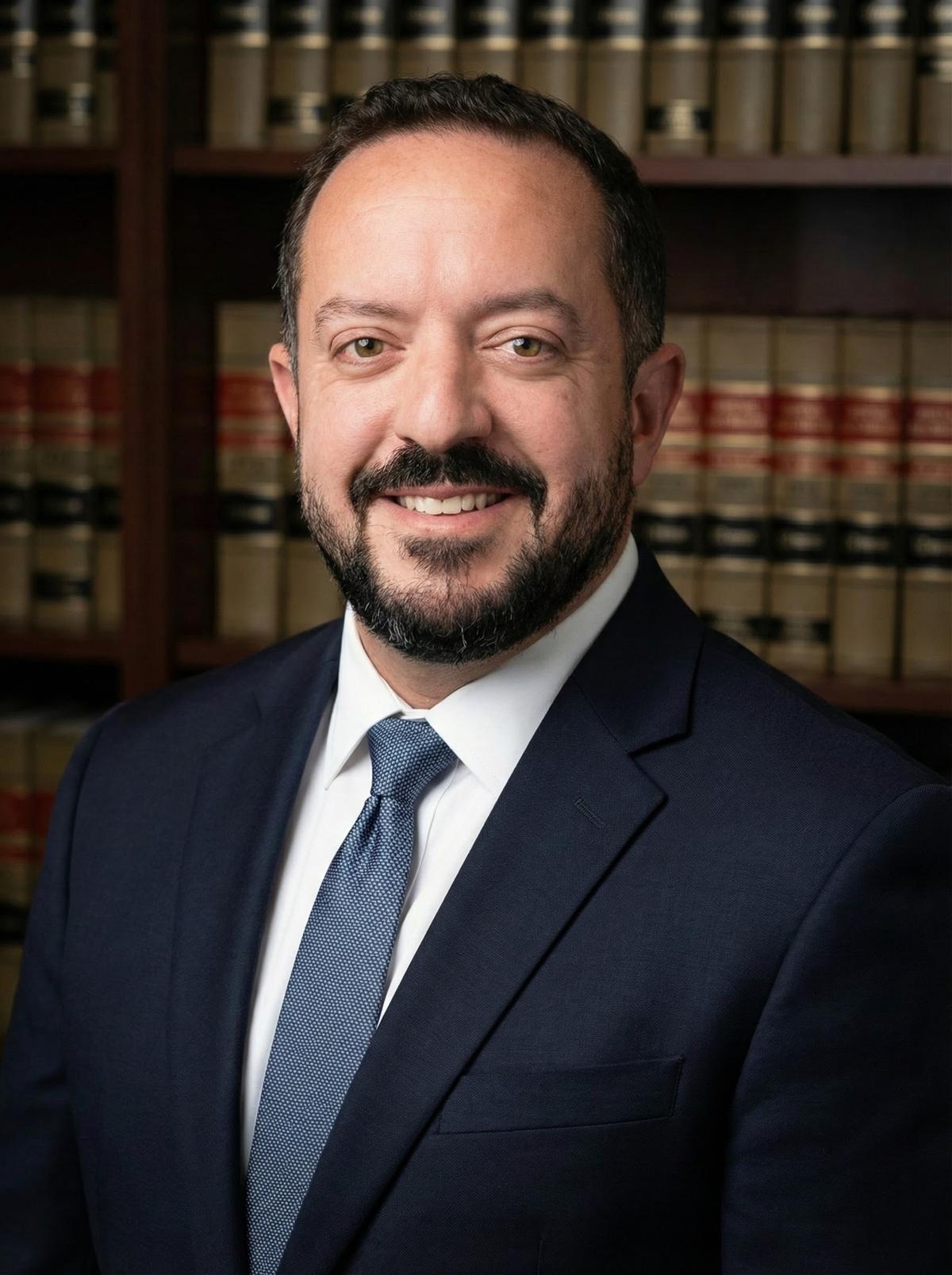
D. Colby Addison represents Oklahoma individuals, families, Tribal governments, businesses, and nonprofit organizations in consequential civil disputes.
From immediate pressure to a workable plan
Separate today's choice first
First review separates what must happen now from questions that can wait. Addison identifies sources for key facts and a next step. Any accepted engagement defines scope, communication, and responsibility in writing. This keeps an urgent choice from overtaking careful investigation.
- Step 1
Explain the present pressure
Describe the injury, job risk, official restriction, household disruption, financial exposure, or institutional decision. Include the paper, meeting, or date creating urgency.
- Step 2
Connect names to original records
Use full names, signatures, report headings, court captions, payroll records, maps, agreements, and correspondence to distinguish people and organizations.
- Step 3
Choose one next responsible action
The next task may belong to the client, authorized leadership, a provider, current counsel, Addison, or another professional. State who acts, what is needed, and when.
Straight answers
Questions people ask about legal help in El Reno
These answers are a starting point. The right next step depends on what happened, who was involved, and when.
Do I need to know which El Reno office has my file?
No. Provide the complete document, heading, report or file number, signature, location, and communication history. Those details may help identify the City, County, court, college, federal, organizational, or private source.
Does an El Reno address decide where a dispute belongs?
No. Parties, conduct, property, governing documents, service, and procedural history may point to different courts or processes. Geography matters but does not answer every legal question.
What should I gather before the first conversation?
Start with one reliable original, a dated chronology, known names, the place, and the next meeting or response date. A focused records plan can follow.
What if the same event affects health, work, and finances?
Share the sequence and identify treatment, insurance, workplace, agreement, court, benefit, bill, and household issues. Connected problems can be addressed while keeping records and responsibilities distinct. Bring practical and legal concerns to the opening conversation; early sorting may help identify urgent options without assuming every problem follows one path.
Can an El Reno client work with Addison remotely?
Yes. The opening discussion may occur by phone or video. If Addison accepts the matter, the firm will explain document exchange, signatures, investigation, meetings, and needed travel.
Keep exploring
Related legal guidance
- El Reno civil rightsOrganize actions, authority, media, reports, injury, and the later sequence after a serious public encounter.
- El Reno employment lawPrepare a workplace chronology from complete records, responsible officials, correspondence, and pending dates.
- El Reno personal injuryConnect the place and medical course with coverage, expenses, income effects, and daily limits.
El Reno and official resources
Records and legal materials to begin with
These links identify public offices, transportation references, and governing texts that may help with background. The useful record still depends on the event, document, person, organization, and date.
Review the cited resources
- City ClerkCity of El Reno
- Municipal CourtCity of El Reno
- County Clerk Duties and ResponsibilitiesCanadian County
- El Reno City MapOklahoma Department of Transportation
- Faculty and Staff DirectoryRedlands Community College
Begin with the immediate question
What changed, and what requires a response?
Provide the immediate effect, known names, one reliable document, precise location, and next important date. Addison can help organize initial questions.