Governance and institutional authority
Addison helps interpret governing documents, prepare resolutions and policies, clarify delegated authority, structure decision-making, and address disputes among governmental or organizational bodies.
Counsel for Tribal governments and entities
Addison advises Tribal governments and Tribal entities on governance, employment, agreements, economic development, compliance, and significant disputes. The work begins with the Nation's authority, goals, documents, and practical operating needs.
Addison Law Firm's office is in Oklahoma City. The firm serves Moore-area clients and can meet by phone, video, or arrangement.
For Tribal leadership and organizational teams
Addison works with councils, executives, boards, authorities, enterprises, departments, and legal teams. The firm adapts the advice to the governing text, decision-makers, operations, and goals of the client.
Tribal government and entity work
Tribal matters rarely fit a single category. A governance question may affect employees, contracts, funding, business operations, or litigation at the same time.
Addison helps interpret governing documents, prepare resolutions and policies, clarify delegated authority, structure decision-making, and address disputes among governmental or organizational bodies.
The firm advises leadership on policies, leave, accommodation, discipline, investigation, separation, executive agreements, sensitive complaints, and litigation risk while respecting the client's governing law and structure.
Addison reviews and negotiates vendor, construction, professional-service, financing, development, technology, lease, and operating agreements. The work addresses authority, remedies, dispute terms, performance, and sovereign protections.
A major dispute may involve contract performance, employment, governance, regulation, business operations, insurance, or intergovernmental questions. Addison helps leadership assess exposure and choose a practical response.
How Addison supports a Tribal client
The firm does not treat Tribal governments as ordinary businesses or state agencies. Each engagement starts with the client's own governing framework and the decision leadership must make.
Addison reviews constitutions, codes, ordinances, charters, bylaws, delegations, resolutions, policies, agreements, and prior decisions that shape authority and process.
The advice identifies options, authority, practical risk, missing information, implementation needs, and the decision required. Leadership receives a path it can evaluate and carry out.
Work may include resolutions, policies, contracts, notices, investigation materials, employment documents, settlement terms, pleadings, or board materials tailored to the approved direction.
Significant matters may require input from leadership, legal, finance, human resources, operations, procurement, risk, insurers, consultants, or outside counsel. Addison helps keep the legal work aligned.
Preparing an organizational review
A focused briefing helps leadership receive advice that is both legally grounded and operationally useful.
Identify what leadership must approve, reject, negotiate, investigate, communicate, or defend. Include the practical result the organization needs and any deadline.
Provide governing text, delegations, resolutions, policies, agreements, amendments, notices, prior decisions, correspondence, and the most recent draft under consideration.
List the leadership body, executive, board, department, legal team, signatory, and operational staff connected to the matter. Note who has already taken action.
Mark what the documents establish, what a person reported, and what remains uncertain. That distinction improves advice and reduces avoidable factual disputes.
Moore-area organizational context
A meeting, property, employee, vendor, or business relationship connected to Moore may involve a Tribal government or entity, but the city name does not answer which law or authority controls. Begin with the exact Nation and organization involved.
Bring the governing document, agreement, resolution, code, policy, notice, or court paper tied to the decision. Addison can research the specific sovereign and matter instead of relying on a generalized regional assumption.
Use the client's exact legal name and bring the governing documents that define its authority, approvals, and decision-makers.
A mailing address does not establish land status or governing authority. Preserve the parcel, lease, deed, map, project description, and responsible organization.
Before a deadline or closing, identify who may negotiate, approve, sign, waive, spend, or direct litigation under the client's current governing documents.
Why Addison for Tribal organizational work
Addison combines litigation judgment with experience advising governments and organizations. The firm gives direct recommendations, protects the client's authority, and keeps legal work connected to operations.
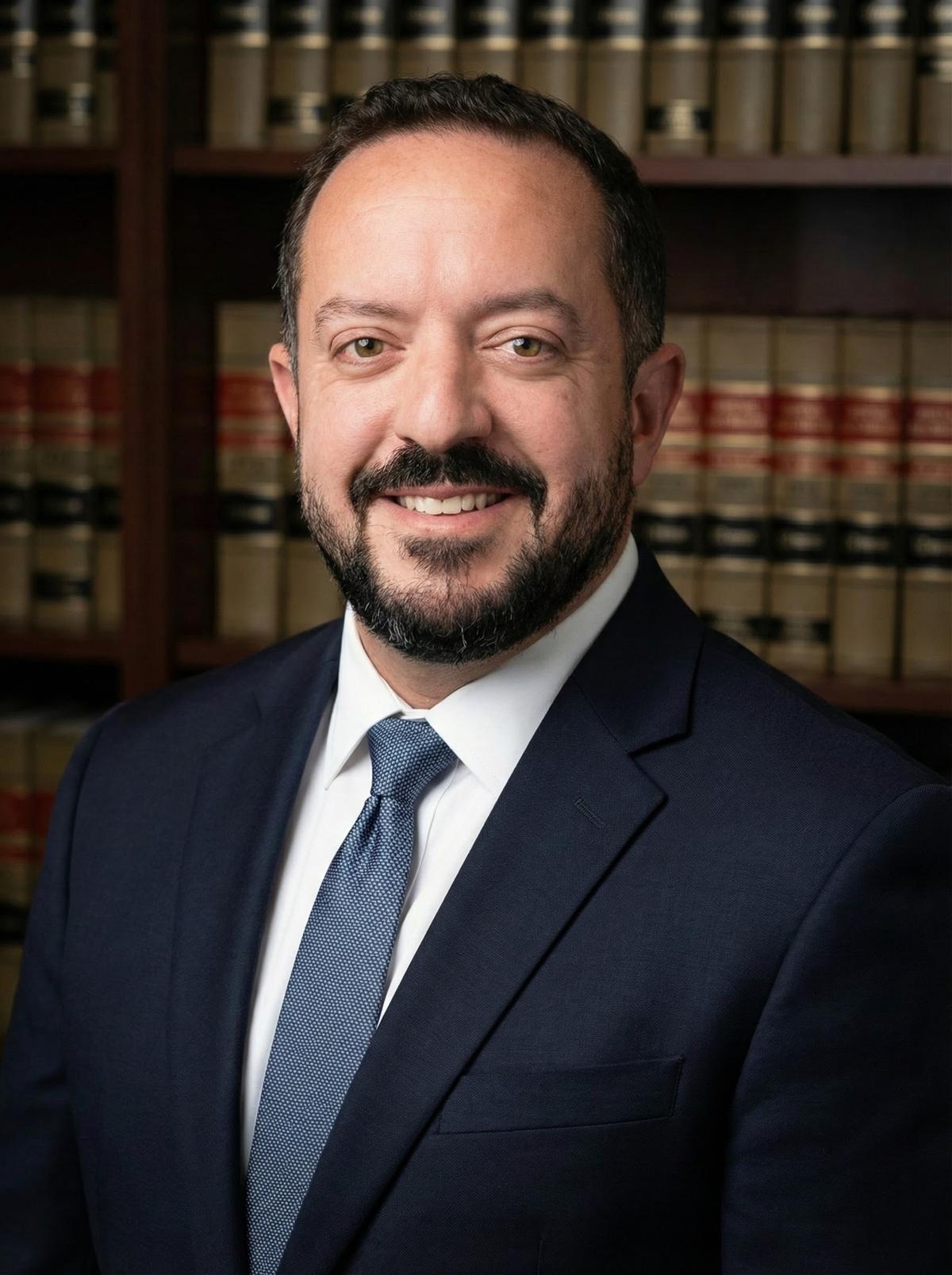
D. Colby Addison is an Oklahoma trial lawyer whose practice includes Tribal government, organizational, employment, business, civil-rights, and complex civil matters.
The organizational engagement
The scope can be narrow advice, a defined project, an investigation, negotiation, or litigation. The client remains in control of the objective.
Addison confirms the client entity, decision-makers, governing documents, objective, known facts, prior action, timing, and any limit on who may receive privileged advice.
The firm researches the applicable law, tests the record, identifies practical consequences, and presents a recommendation that leadership can approve, revise, or reject.
Addison prepares the needed documents, negotiation, investigation, or litigation work and coordinates with designated client representatives. Scope and fee terms are confirmed in writing.
Straight answers
These answers are a starting point. The right next step depends on what happened, who was involved, and when.
Addison advises Tribal governments and Tribal entities on governance, employment, agreements, projects, investigations, and disputes. The work can support councils, executives, boards, authorities, enterprises, departments, commissions, and legal teams.
Yes. Work may include authority questions, resolutions, ordinances, codes, policies, delegations, board materials, institutional design, and implementation. The advice is based on the specific client's governing documents and current law.
Addison can advise on vendor, construction, professional-service, technology, lease, financing, development, and operating agreements. The review addresses authority, performance, remedies, disputes, approvals, and the sovereign protections appropriate to the client.
Send the question requiring a decision, the deadline, exact client and counterparty names, governing documents, agreement or policy at issue, prior approvals, key correspondence, and a short statement of the desired outcome.
Yes. A Moore-area matter may involve Tribal, federal, state, county, or city authority. Addison begins with the specific client, decision, documents, parties, land or transaction, and desired result, then identifies what governs. Leadership does not need to settle that question before calling.
Keep exploring
Moore resources
These links provide background for the limited local details above. They cannot decide a particular matter or replace advice based on your circumstances.
Discuss a Tribal organizational matter
Tell Addison what leadership must decide and provide the governing documents. The firm can help turn that question into an actionable direction.