Governance and institutional authority
We help leadership confirm who may act, what approval is required, and how to document the decision so it can be carried out.
Tribal legal counsel in Oklahoma City
Addison Law Firm advises Tribal governments, enterprises, authorities, nonprofits, and business partners on governance, employment, contracts, economic development, and disputes. We help leaders move important work forward while respecting the Nation's law, authority, and long-term priorities.
Addison Law Firm's only office is at 1332 SW 89th Street in Oklahoma City. Tell us what happened, who was involved, and whether a date or decision is approaching; no result is promised.
For governments and organizations making consequential decisions
A board vote, employment decision, development agreement, procurement, policy change, or dispute can carry legal and political consequences. Addison works with elected leaders, executives, directors, in-house counsel, and operational teams to understand the goal and build a defensible path toward it.
Work we handle
Leaders usually call because a vote, agreement, workplace decision, project, or dispute cannot drift. We identify what must be decided, who has authority, and how to move the work forward.
We help leadership confirm who may act, what approval is required, and how to document the decision so it can be carried out.
We negotiate and document projects around the Nation’s authority, business goal, practical risks, and the people responsible for implementation.
We advise Tribal governments and organizations on hiring, discipline, leave, investigations, policy, compensation, executive matters, and separation decisions within their own governmental and operational structures.
We identify the real point of conflict, the governing documents, available forums, and the outcome leadership needs before choosing a strategy.
A collaborative legal approach
Outside counsel should add judgment and capacity without displacing the people who know the government or enterprise best. We work within the existing decision structure and tailor our role to the project's needs.
We begin with the practical objective, the people authorized to decide, the stakeholders affected, and the deadline. That keeps legal research connected to the outcome leadership actually needs.
We review the Nation's current laws, organizational documents, delegations, resolutions, contracts, approvals, and relevant federal or state authority without assuming one government's rules apply to another.
A policy, agreement, resolution, or opinion should be usable by the board, executive team, human resources, finance, and operations. We write with those real readers and next steps in mind.
We identify likely objections, approval gaps, enforcement risks, and disputed facts before they become expensive. When litigation is necessary, we bring the operational history into the case strategy.
Before a vote, signature, or filing
A focused legal review moves faster when the leadership question and controlling documents arrive together. Mark drafts and unresolved facts honestly so the advice is built on the right version.
Explain what the government or organization wants to accomplish, who must approve it, the business or community reason, important relationships, and the date by which action is needed.
Provide the applicable code, charter, policies, resolutions, delegations, contracts, amendments, approvals, correspondence, budgets, land information, and prior decisions. Identify what is signed, pending, superseded, or disputed.
Name the executive sponsor, board contact, in-house lawyer, department leaders, finance or human-resources staff, and outside partners who hold information or will implement the decision.
Oklahoma City as a working center
Tribal leaders, lenders, vendors, professionals, and government partners often meet in Oklahoma City even when the Nation or project is based elsewhere. That can make the city a practical place to negotiate, plan, and make decisions.
The Nation’s own law and approval process still control its work. We begin with the specific government or entity, the decision in front of it, and the result leadership needs—not with a generic jurisdiction chart.
Approval requirements vary among Nations and entities. We confirm who can decide and what leadership must do to make the decision effective.
A lender, vendor, developer, or government partner needs to understand who can approve the deal and how it will work. We help make those points clear without surrendering more than leadership intends.
Meetings can happen here while the land, enterprise, program, or dispute sits elsewhere. We anchor the work to the actual Nation, entity, and project location.
Why Addison
Addison Law Firm advises Tribal governments and organizations with respect for sovereignty and a practical understanding of how legal decisions are made, funded, communicated, and carried out. We are comfortable working alongside in-house counsel and established professional teams.
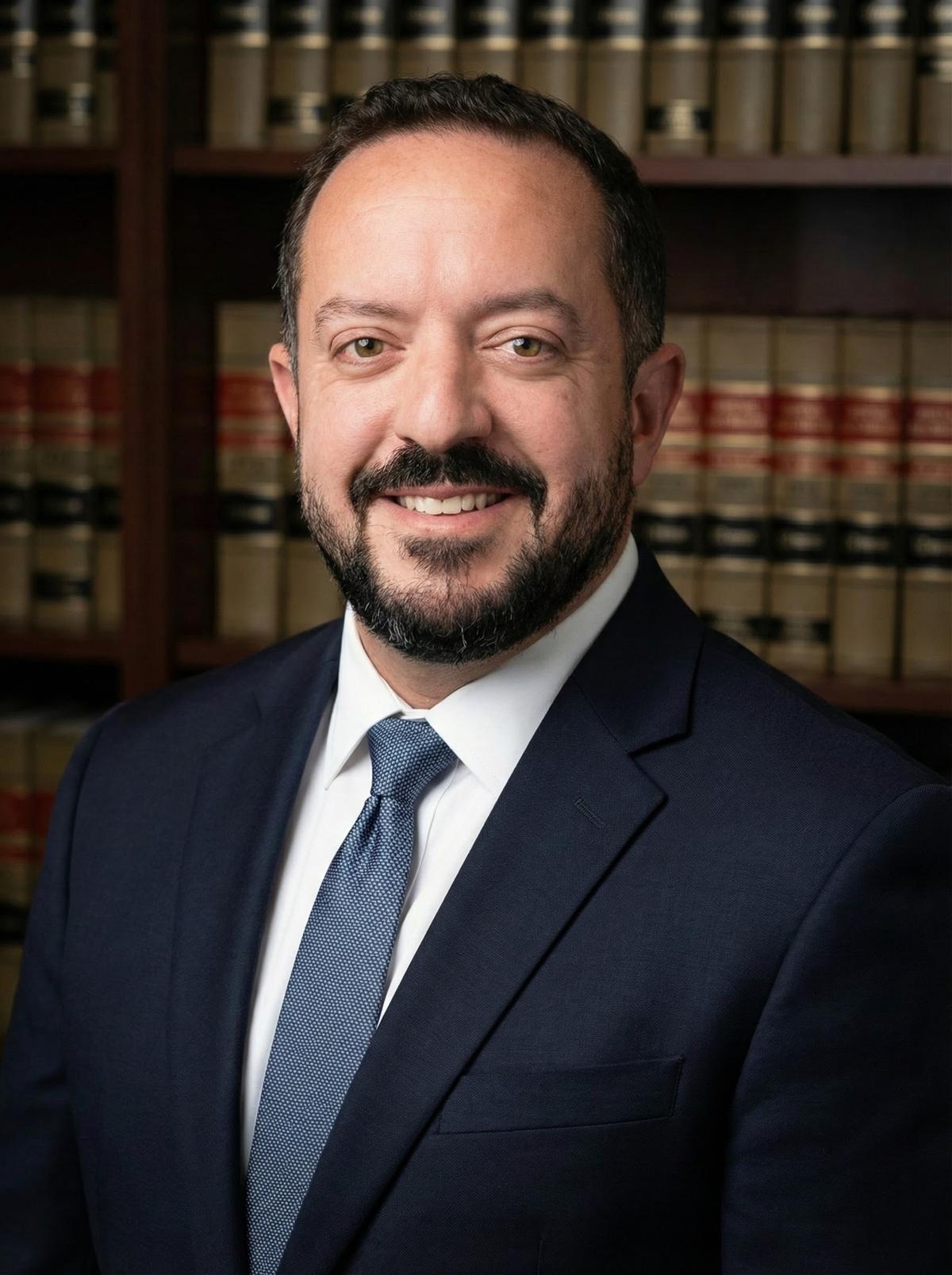
D. Colby Addison is an Oklahoma lawyer who advises Tribal governments and organizations and handles complex civil litigation.
How an engagement begins
Some clients need one agreement reviewed. Others need continuing general-counsel support or litigation. We begin by agreeing on the decision, the client, the team, and the scope.
We discuss the organization, the requested result, current posture, internal authority, important relationships, timing, and the people who should participate in the work.
The team reviews governing law and documents, conflicts, authority, approvals, risk, available options, and the additional facts or professional input needed for a reliable recommendation.
If the engagement is authorized, the written agreement explains the client, assignment, fees, contacts, and decision process. We then establish a work plan that matches the urgency.
Straight answers
These answers are a starting point. The right next step depends on what happened, who was involved, and when.
The firm represents Tribal governments, entities, enterprises, authorities, nonprofits, and other organizations in appropriate matters. It can also advise businesses working with Tribal clients or projects when conflicts and scope permit.
Yes. Outside counsel can add capacity for a transaction, investigation, policy project, employment issue, specialty question, or litigation while the in-house lawyer remains the central legal partner. We define reporting, authority, privilege, work allocation, and communication at the start of the assignment.
Possibly. Whether Addison can accept the matter depends on conflicts, scope, timing, governing law, and the practical needs of the assignment. If the firm offers an engagement, the written plan can address communication, document exchange, meetings, and any necessary travel.
A valid waiver cannot be assumed from casual wording. The complete agreement, governing law, dispute terms, approvals, signatory authority, entity status, applicable Tribal law, and other current authority require review. Leadership should understand the intended remedy and approval record before signing language that may affect immunity.
The structure depends on the assignment. Defined projects may use an hourly or agreed scope, continuing counsel may use a retainer arrangement, and litigation has its own budget and expense needs. The engagement letter identifies the client, work, rates or fee terms, expenses, and responsible contacts before work begins.
Keep exploring
Oklahoma City resources
Use these official links to learn about local offices and processes. They cannot tell you whether you have a claim or what you should do next.
Counsel for the work ahead
If your government or organization needs clear advice on a project, workplace issue, agreement, policy, or dispute, Addison can help define the path and move the work forward.