Governance and institutional authority
The firm advises on constitutions, codes, resolutions, delegations, board authority, ethics, elections, process, and relationships among branches or entities. The client's own law comes first.
Counsel for Tribal governments and entities
Addison advises Tribal governments and Tribal entities on governance, employment, contracts, development, jurisdiction, and disputes. The firm helps leadership reach clear decisions that respect the Nation's authority and long-term goals.
Addison Law Firm's only office is in Oklahoma City. The firm does not maintain an office in Sapulpa, Creek County, or Tulsa County. Tell us what happened, who was involved, and whether a date or decision is approaching; meetings may be handled remotely or arranged as appropriate.
For leadership, legal departments, and governing bodies
Tribal clients need advice that protects sovereignty, serves citizens, supports employees, and produces decisions that remain workable after the immediate dispute.
Organizational work we handle
Addison begins with the client's law, authority, and objectives, then tailors the advice to the government, entity, board, department, or transaction.
The firm advises on constitutions, codes, resolutions, delegations, board authority, ethics, elections, process, and relationships among branches or entities. The client's own law comes first.
Addison helps leadership address policies, leave, investigations, executive agreements, separations, and workplace disputes while accounting for Tribal law, sovereign interests, and operations.
The firm reviews and negotiates vendor, professional-services, construction, lease, financing, waiver, dispute, and business terms. Clear drafting can protect authority without making a deal unworkable.
A dispute may involve sovereign immunity, waiver, governing law, land, parties, consent, exhaustion, enforcement, or court authority. Addison also helps plan the institutional response.
How Addison serves Tribal clients
Addison identifies authority, explains risk, develops options, and helps carry the decision through drafting, negotiation, investigation, or litigation.
The firm can add capacity, civil-litigation support, or an independent assessment for work crossing employment, contracts, governance, and sovereign interests.
Codes, policies, agreements, resolutions, and procedures should fit the institution. Addison asks who will apply the document, where discretion belongs, and how decisions will be explained.
Leadership may need a credible response to workplace complaints, executive conduct, contract failures, compliance concerns, or claims. The firm develops practical findings and options.
When a dispute cannot be avoided, Addison develops positions consistent with the client's law, sovereign status, and objectives. Litigation strategy remains coordinated with leadership.
When an organizational issue is developing
Leadership can often preserve options by clarifying authority, communications, and immediate business needs. Do that before sending a final notice, making a public statement, or committing to a procedural path.
State the concrete question, who has authority to answer it, what approval is required, and when the organization needs a usable recommendation. Separate legal authority from political or operational preference.
Collect the Constitution, Code provisions, resolutions, policies, agreement, amendments, board materials, correspondence, and prior decisions that bear on the issue. Confirm effective dates rather than relying on an old compilation.
Limit speculation, preserve appropriate confidentiality, and decide who will speak for the organization. A short holding response may be wiser than a detailed position issued before the legal and operational facts are understood.
Tribal law around Sapulpa
A project, workplace decision, agreement, or dispute near Sapulpa may involve Muscogee Nation law along with federal, state, county, or city requirements. Addison helps leadership determine which authority actually governs the decision.
The answer begins with the specific Nation or entity, its own law, the people and land involved, and the result leadership needs. The result is a practical path tailored to the client rather than a general answer based only on location.
Constitutions, codes, resolutions, policies, court rules, and governing documents may supply the controlling authority. Use current, complete provisions and confirm which body adopted or amended them.
The city reaches Creek and Tulsa Counties. A county label does not settle Tribal authority, sovereign immunity, governing law, or which court may hear a particular civil dispute.
Muscogee Nation courts, Sapulpa Municipal Court, state courts, and federal court are distinct systems. The caption, parties, governing documents, and requested relief help determine which procedure deserves attention.
Why Addison for Tribal government work
Addison approaches Tribal representation as institutional work. The firm listens to leadership, studies the client's law, and accounts for operational consequences. Its candid advice is designed to protect present authority and long-term governance.
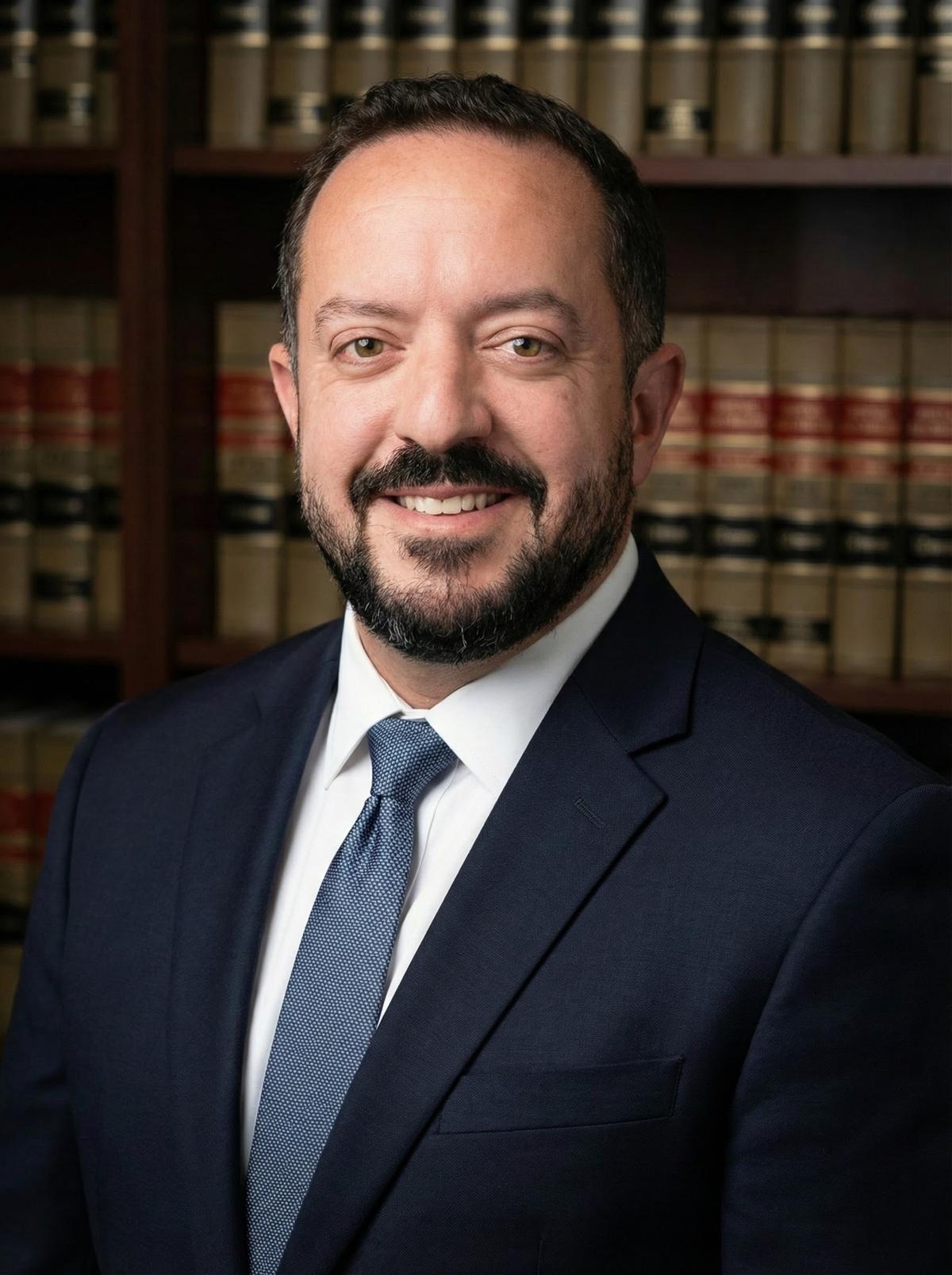
D. Colby Addison is an Oklahoma trial lawyer who advises Tribal governments and entities in civil disputes, governance, employment, contracts, and other organizational matters.
Starting an organizational engagement
A focused opening conversation helps leadership define the legal issue and what work should be authorized.
Share the decision, dispute, transaction, or capacity problem; the entities and leaders involved; the immediate deadline; and the result the client hopes to achieve.
The firm considers conflicts, client identity, governing law, available documents, urgency, required expertise, and whether the assignment should be advice, drafting, investigation, negotiation, or litigation.
If leadership wants to proceed, Addison proposes a written scope, responsible client contacts, fee structure, communication plan, and immediate work. Leadership can refine the assignment before authorizing it.
Straight answers
These answers are a starting point. The right next step depends on what happened, who was involved, and when.
Yes. The firm advises Tribal governments and Tribal entities on governance, employment, contracts, economic development, jurisdiction, sovereign immunity, compliance, investigations, and significant disputes. The exact client, scope, authority, conflicts, timing, and fee structure are confirmed before an engagement begins.
Yes. Addison can provide added capacity, a second legal perspective, project-based drafting, investigation support, litigation assistance, or focused work that crosses practice areas. The engagement should define roles, decision authority, reporting lines, privilege expectations, and the point at which work returns to internal counsel.
No. Location may be relevant, but the analysis can also depend on the Nation, land, parties, status, entity, conduct, governing documents, consent, relief, and current law. The firm reviews those facts together instead of drawing a conclusion from a street address alone.
Bring the concrete question, desired result, decision deadline, governing documents, key agreement or policy, recent communications, and names of the entities and leaders involved. Identify who has authority to direct the engagement and who should receive legal advice and updates.
The fee structure depends on the scope and may reflect hourly, project, or other agreed terms. Addison provides a written engagement proposal describing the client, work, responsibilities, fees, expenses, and communication expectations. No work begins merely because an introductory conversation occurred.
Keep exploring
Sapulpa resources
These links provide useful background about local services, public institutions, and governing law. They cannot answer whether you have a claim or replace advice about your circumstances.
Discuss the institution's legal need
Tell Addison what decision, agreement, dispute, or capacity issue the organization faces. The firm can identify the legal work involved and propose a focused scope built around the client's authority and goals.