Force during a stop or arrest
Record the words used, movements, restraints, weapons, number of people present, visible injuries, treatment, and witness locations. Keep photographs over time and the original files from any recording.
Jenks help after an encounter involving authority
Force, search, detention, denied care, punishment, or loss of property can unsettle health, work, and trust. Tell Addison what you experienced and what changed afterward. The firm can investigate names, authority, records, and responsibility.
Addison Law Firm's office is in Oklahoma City. The firm serves Jenks-area clients by phone, video, or arrangement.
For the person carrying the consequence
You may remember commands, physical contact, fear, pain, missing property, a night in custody, or medical needs more clearly than agency names. That first-hand sequence matters. Documents and recordings should test and complete it, not erase the human experience.
When asserted authority causes real harm
A single event can include a stop, search, force, transport, booking, medical request, citation, and release. Keeping those moments in order helps reveal who participated and which proof may exist.
Record the words used, movements, restraints, weapons, number of people present, visible injuries, treatment, and witness locations. Keep photographs over time and the original files from any recording.
List the place searched, items taken or damaged, consent requested or refused, papers provided, inventory or receipt, later return, and any related court document.
Preserve booking and release papers, requests for care, symptoms reported, medicines, responses, housing moves, grievances, witness names, discharge instructions, and treatment after release.
Keep the original complaint, grievance, recording, witness contact, or protected activity. Then record each later threat, charge, restriction, transfer, discipline, loss, or official explanation in date order.
How Addison develops the record
The work moves from the person's account to names, assignments, recordings, reports, policies, medical evidence, and court papers. Each source answers a different part of the story.
Addison organizes location, commands, contact, force, restraints, transport, custody, care, property, citations, release, and later consequences. Conflicts between accounts are identified instead of smoothed over.
Badges, uniforms, vehicle markings, report headings, dispatch details, booking papers, contracts, and employer records can show who acted and for which organization on that date.
Possible evidence includes phone media, body or vehicle camera, dispatch, facility video, access logs, reports, evidence receipts, complaints, medical files, and private cameras. Requests should be directed to likely sources.
Treatment, symptoms, scarring, sleep, fear, work loss, family strain, and property loss show the personal cost. Open proceedings and changed daily activity add context beyond the encounter itself.
What can be done now
Early preservation does not require a complete legal theory. Focus on material already available to you and avoid altering original files or confronting people to obtain evidence.
Describe symptoms and onset accurately, follow medical instructions, and keep charts, images, prescriptions, restrictions, bills, and photographs. Note problems obtaining care during or after custody.
Record the exact place, time, commands, responses, physical contact, restraints, transport, property, witnesses, medical requests, papers received, and what happened after release.
Save unedited photographs, video, audio, messages, report numbers, citations, evidence receipts, booking papers, complaint confirmations, and court documents. Use duplicates for notes or highlighting.
Jenks details that matter to the investigation
Write the encounter in concrete sequence: exact location and City-limit evidence, every command and response, who searched or touched whom, force, restraints, transport, booking, medical care, property taken, citations, release, and witness observations. Save original phone files, messages, dispatch and report identifiers, body- and vehicle-camera references, evidence receipts, jail and court papers, and agency markings.
Jenks Police or jail staff, Tulsa County Sheriff or detention personnel, State officers, school or institutional personnel, federal or Tribal participants only when verified, contractors, providers, private security, and other private participants must be separated. Next trace legal employer, assignment, authority, capacity, territory, policy role, and conduct for each participant. The Arkansas River, City boundary, shared dispatch, mutual assistance, County booking, or a Jenks school reference does not answer those questions.
Section 1983 addresses qualifying conduct under color of State law, while Department of Justice guidance describes separate enforcement tools. Neither authority automatically identifies a person or entity, proves a violation, or resolves causation, immunity, remedy, jurisdiction, or timeliness. Evidence can be split across the City's open-records route, Jenks Police Records, Tulsa County Sheriff and detention, District Court, another agency, a school or institution, provider, employer, contractor, and private cameras.
City, County, State, school, contractor, provider, and private roles differ.
City, Police, Sheriff, Court, employer, and private systems require separate action.
Jenks Police and Tulsa County Sheriff do not become one body.
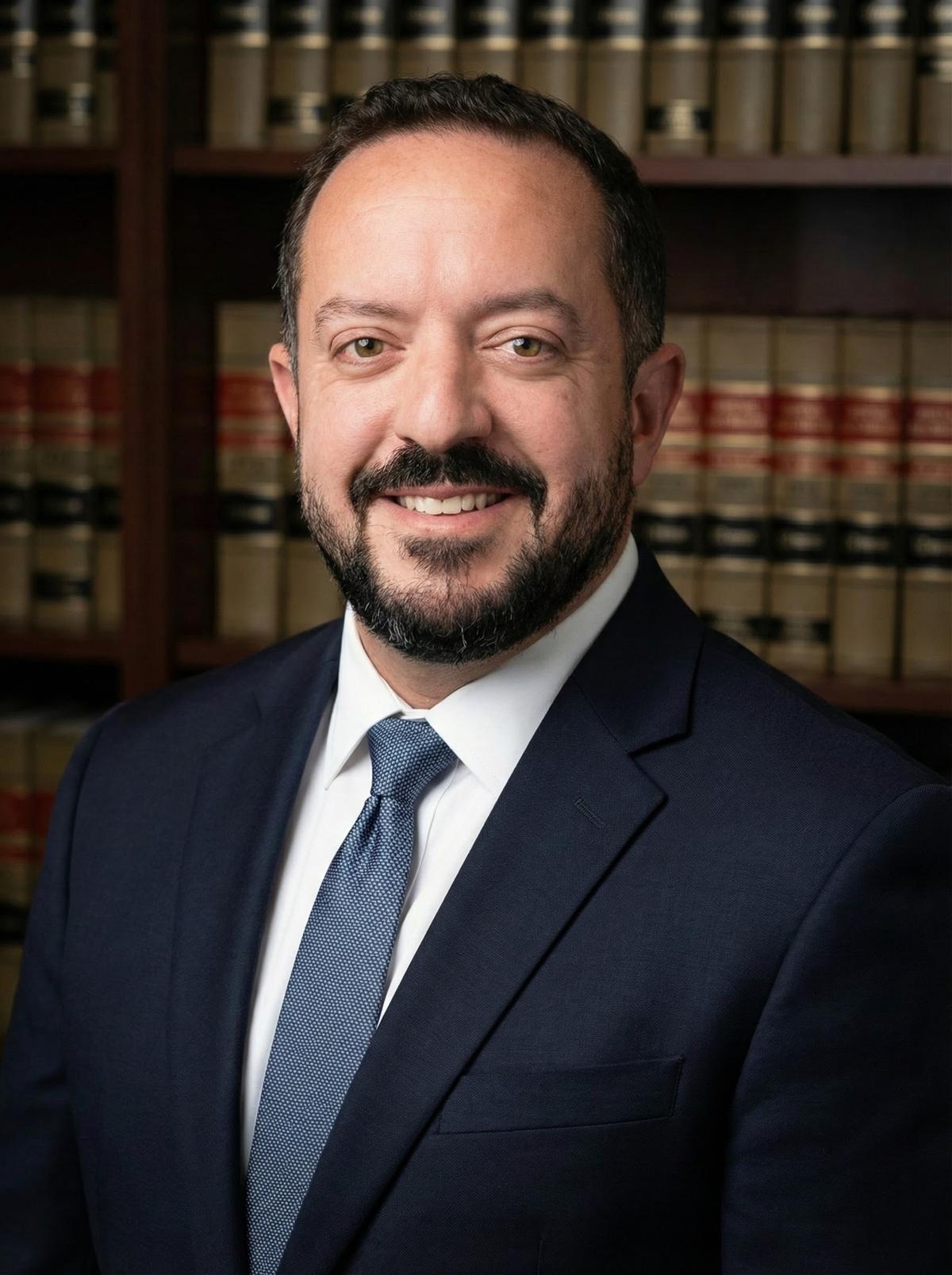
Why Addison
Civil-rights cases demand close attention to testimony, physical evidence, official systems, medical proof, and defenses. Addison gives accepted clients direct explanations about what the record supports, what remains uncertain, and which decisions belong next.
D. Colby Addison represents Oklahoma people in substantial civil-rights matters involving asserted public authority and serious personal consequences.
From memory to an evidence-based plan
A strong beginning preserves the client's account while locating independent proof. Medical recovery, open proceedings, and time-sensitive records are handled together without treating any one report as the whole story.
Share what happened before, during, and after the encounter, including treatment, custody, property, court dates, work effects, family effects, and any immediate safety concern.
Addison uses badges, vehicle marks, report and dispatch numbers, booking papers, court captions, facility details, and private-camera locations to direct investigation.
The account, recordings, documents, medical evidence, participant roles, legal requirements, defenses, available remedies, and open proceedings shape advice. Any engagement is stated in writing.
Straight answers
These answers are a starting point. The right next step depends on what happened, who was involved, and when.
No. Official pages identify separate City and County systems. Keep the exact location, names, badges, vehicle markings, assignment details, report, dispatch information, booking papers, and conduct before deciding who served which role.
Begin with the likely creator. Jenks Police Records, City records, Tulsa County systems, another agency, a facility, school, employer, contractor, business, residence, or private camera may hold different material. One request cannot preserve every source.
No automatic answer is possible. Identity, authority, capacity, conduct, state action, participation, policy, causation, injury, defenses, remedies, and current law require person-by-person review.
Keep complete complaints, attachments, confirmations, responses, appeals, original recordings, reports, custody and court papers, and evidence receipts. Preserve treatment instructions, charts, images, bills, wage loss, and witness details separately.
No. Notice, grievance, administrative, court, appeal, and preservation rules vary with the people, entities, claims, procedures, and remedies involved. Prompt current legal advice should use the actual dates and papers.
Keep exploring
Jenks resources
These links provide background on the offices, records, roads, and legal materials discussed here. A specific matter still depends on its complete facts and current law.
Begin with the encounter
Share the sequence, original media, reports, custody papers, medical proof, names, and next court date. Addison can identify a sensible first response.