Excessive force
Force during a stop, arrest, transport, or detention may be unlawful when it is unreasonable under the circumstances. Video, injuries, commands, timing, witnesses, and the stated reason for force can all matter.
Civil-rights help in Sapulpa
If police force, a wrongful detention, an unlawful search, denied medical care, or mistreatment in custody caused serious harm, Addison can examine what happened and explain your options. Early advice can help you protect important information and avoid decisions made under pressure.
Addison Law Firm's only office is in Oklahoma City. The firm does not maintain an office in Sapulpa, Creek County, or Tulsa County. Tell us what happened, who was involved, and whether a date or decision is approaching; meetings may be handled remotely or arranged as appropriate.
For people harmed by government misconduct
You do not need to know the name of a constitutional claim. Tell us what the officer, jail employee, agency, or other official did, what you experienced, and how the event affected your health, freedom, work, or family.
Problems we review
A difficult police encounter is not automatically a lawsuit, but some conduct crosses a legal line. Addison reviews serious events with attention to the complete sequence, the harm caused, and the government responsibility involved.
Force during a stop, arrest, transport, or detention may be unlawful when it is unreasonable under the circumstances. Video, injuries, commands, timing, witnesses, and the stated reason for force can all matter.
An arrest without adequate legal grounds, detention that continues after the basis disappears, or confinement caused by a serious identification error may warrant review. Bring every citation, booking paper, and release document you received.
People in custody may have claims after dangerous conditions, assault, ignored medical needs, medication failures, suicide-prevention failures, or other deliberate mistreatment. The legal standard depends on the person's status and what officials knew.
A search, seizure, threat, charge, discipline, or other government response may raise civil-rights concerns when it lacks lawful support or punishes protected speech, reporting, protest, or another protected activity.
How Addison approaches the case
Civil-rights cases are demanding. The firm tests the facts against the governing law, identifies who may be legally responsible, and builds a strategy around proof that can withstand serious opposition.
We compare your account with video, photographs, dispatch information, medical care, booking materials, witness accounts, and later proceedings. Gaps and inconsistencies are examined instead of being filled with assumptions.
The uniform, building, or vehicle name does not always tell the whole story. Addison determines which person or government body made the decision, controlled the conditions, or failed to respond to a known danger.
A strong case explains what right was violated and what the violation caused. Medical injuries, loss of liberty, emotional harm, lost income, criminal consequences, and lasting family effects require credible support.
Government defendants may dispute the facts, raise immunity, challenge responsibility, or argue that the harm came from something else. The firm prepares the claim with those defenses in mind from the beginning.
What to do now
Focus on safety, medical care, and avoiding statements or public posts that could create a new problem. You do not need to investigate the case yourself before calling.
Seek appropriate treatment for physical or mental injuries and describe honestly how they happened. Keep discharge instructions, photographs of changing injuries, prescriptions, referrals, and follow-up appointments.
Do not miss a court date or use a civil consultation as a substitute for criminal defense. Tell any criminal-defense lawyer that you are also seeking advice about government misconduct.
Save original photos, video, messages, citations, and discharge papers without editing or posting them publicly. Missing material should not stop you from contacting Addison.
Sapulpa civil-rights context
An incident may start on a Sapulpa street and continue through transport, a short-term city jail, a county facility, medical care, or court. Different people may be responsible at each stage. You do not need to name every institution before calling; tell us the sequence and Addison will sort it out.
Sapulpa reaches both Creek and Tulsa Counties and is near Muscogee Nation institutions. That overlap can change the legal analysis, but it should not become your burden. Start with what was done to you, how you were harmed, and any charge or medical need requiring attention now.
A person may move from Sapulpa's short-term jail to a county facility or medical provider. Addison can trace who controlled each stage and whether a delay, use of force, or denial of care caused harm.
Injuries and untreated conditions may worsen after a person leaves custody. Get care and explain the full sequence; the claim should account for what happened during custody and afterward.
If criminal charges remain pending, tell your criminal-defense lawyer you are seeking civil advice. Addison can evaluate the civil-rights issue without asking you to ignore or compromise the criminal case.
Why Addison for civil rights
Addison represents people in substantial civil disputes involving government conduct and powerful institutions. The firm gives direct advice, tests difficult facts, and prepares for the procedural and factual challenges that civil-rights litigation can bring.
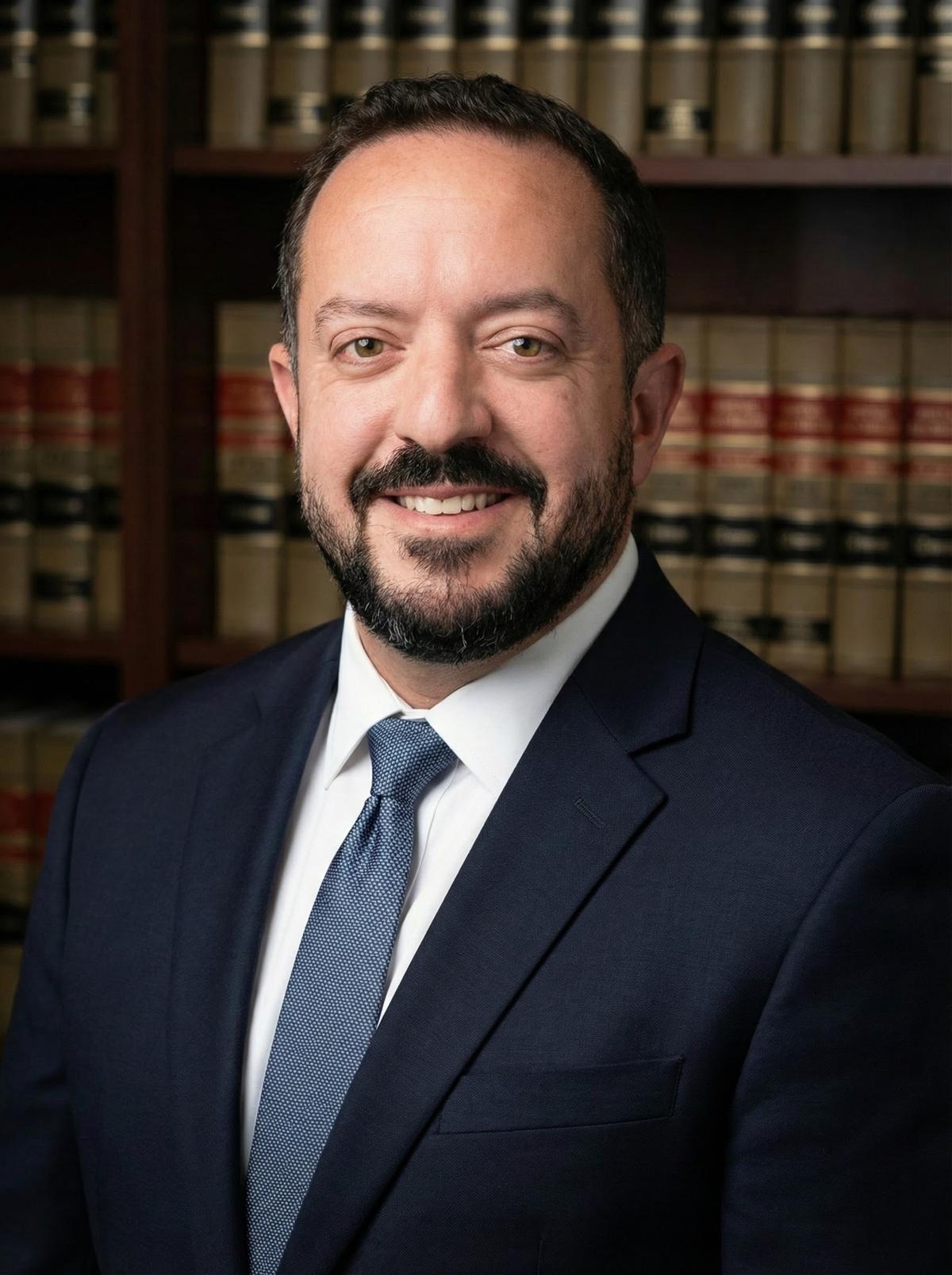
D. Colby Addison is an Oklahoma trial lawyer whose practice includes civil-rights claims, serious injury litigation, employment disputes, and complex cases involving government entities.
Your case review
The first review is designed to separate urgent needs from questions that require deeper investigation.
Tell us what happened from the first contact through release or later treatment. Explain the injuries, charges, lost time, fear, or other consequences that followed.
Addison considers the conduct, government involved, available proof, timing, defenses, and whether the facts support work the firm handles. Focused follow-up material may be requested.
If representation is offered, the firm discusses scope, fees, investigation, and the likely early work. Otherwise, you receive a direct answer rather than an open-ended intake process.
Straight answers
These answers are a starting point. The right next step depends on what happened, who was involved, and when.
The firm reviews serious excessive-force, wrongful-detention, unlawful-search, jail-harm, denied-medical-care, and retaliation matters. A bad or unfair experience is not always a legal violation, so the review looks closely at what happened, the government involved, available proof, injuries, timing, and potential defenses.
Get appropriate medical care, photograph visible injuries over time, save clothing and original video, and write down the sequence while it is fresh. Keep citations, property receipts, booking papers, and witness information. Avoid editing media or debating the event publicly before receiving advice.
It can, depending on the seriousness of the need, what officials knew, how they responded, the person's custody status, and the harm caused by delay or refusal. Keep medication information, requests for help, names, grievances, discharge papers, later treatment, and any communication with family.
That is common, especially when an encounter includes transport, booking, medical care, or a transfer. Tell us where each stage happened and share any citation, booking paper, or report you already have. Addison can identify the responsible people and institutions; you do not need to solve that before calling.
Begin with a truthful timeline, the best document or video you have, and a description of the harm. Missing paperwork does not prevent a first inquiry. The firm may later ask for medical material, court papers, photographs, witness contacts, or government correspondence that bears on the legal issues.
Keep exploring
Sapulpa resources
These links provide useful background about local services, public institutions, and governing law. They cannot answer whether you have a claim or replace advice about your circumstances.
Discuss serious government misconduct
Tell Addison what happened, how you were harmed, and what information you still have. A focused review can help you understand the most useful next step.